



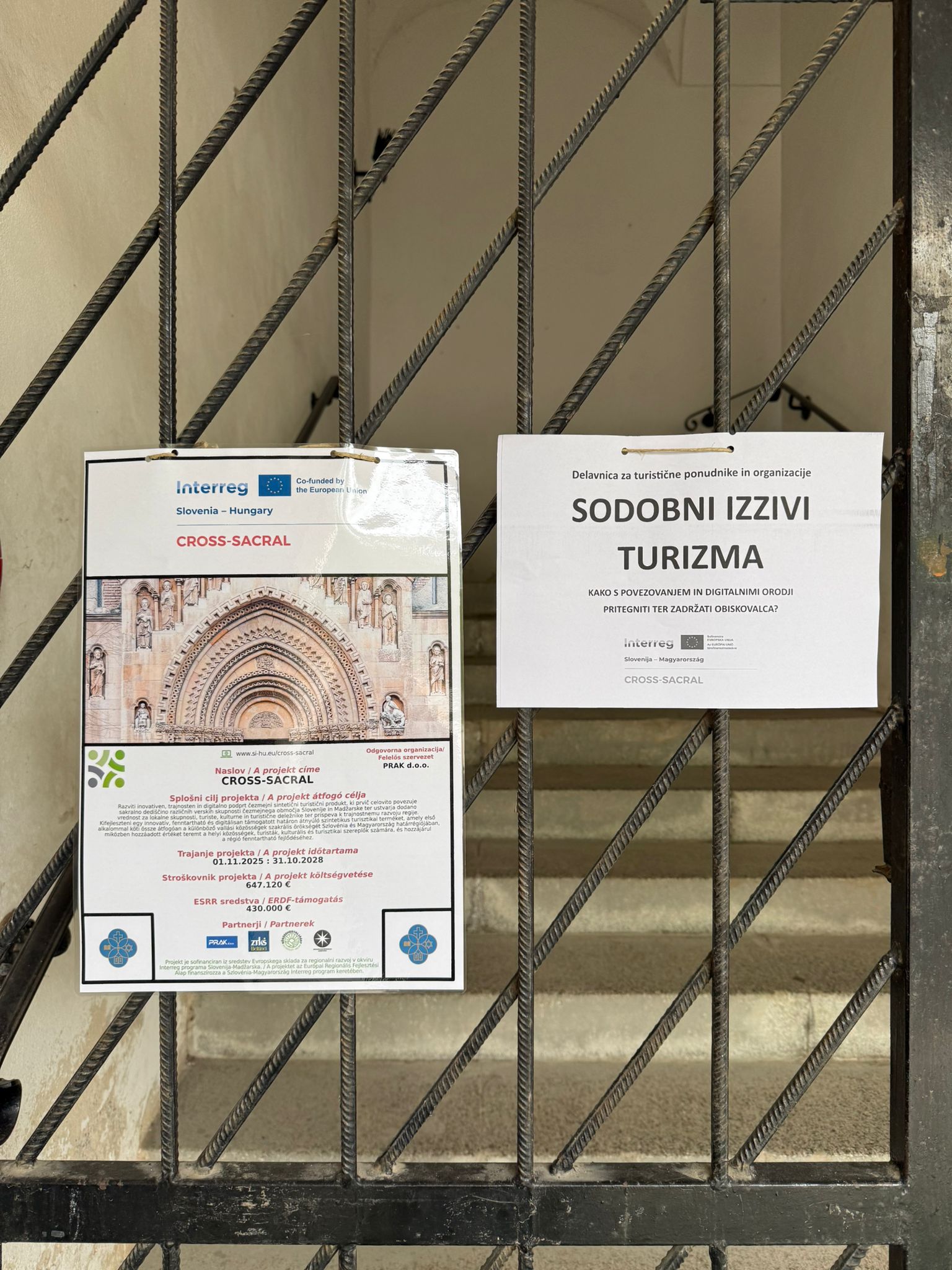
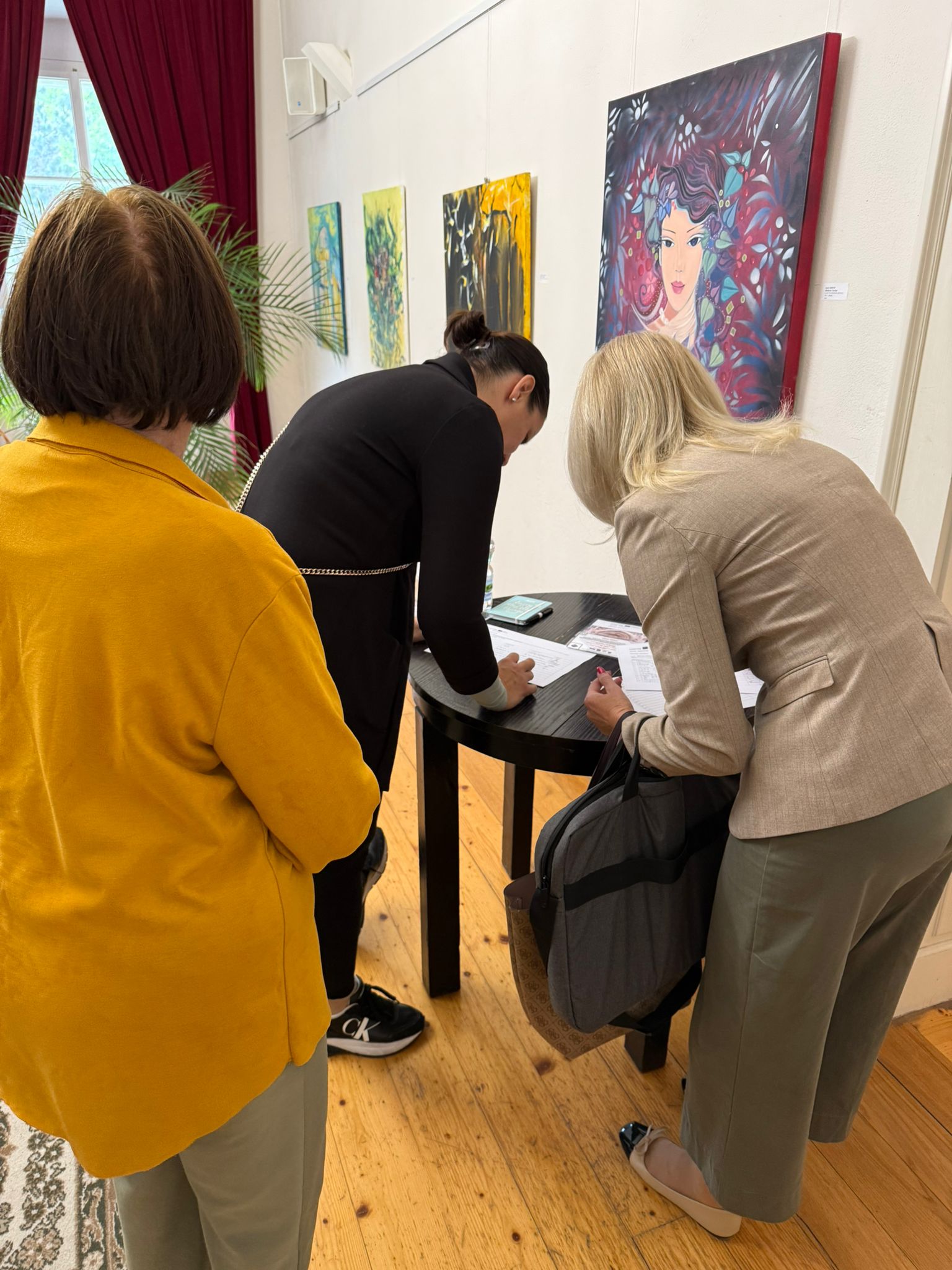
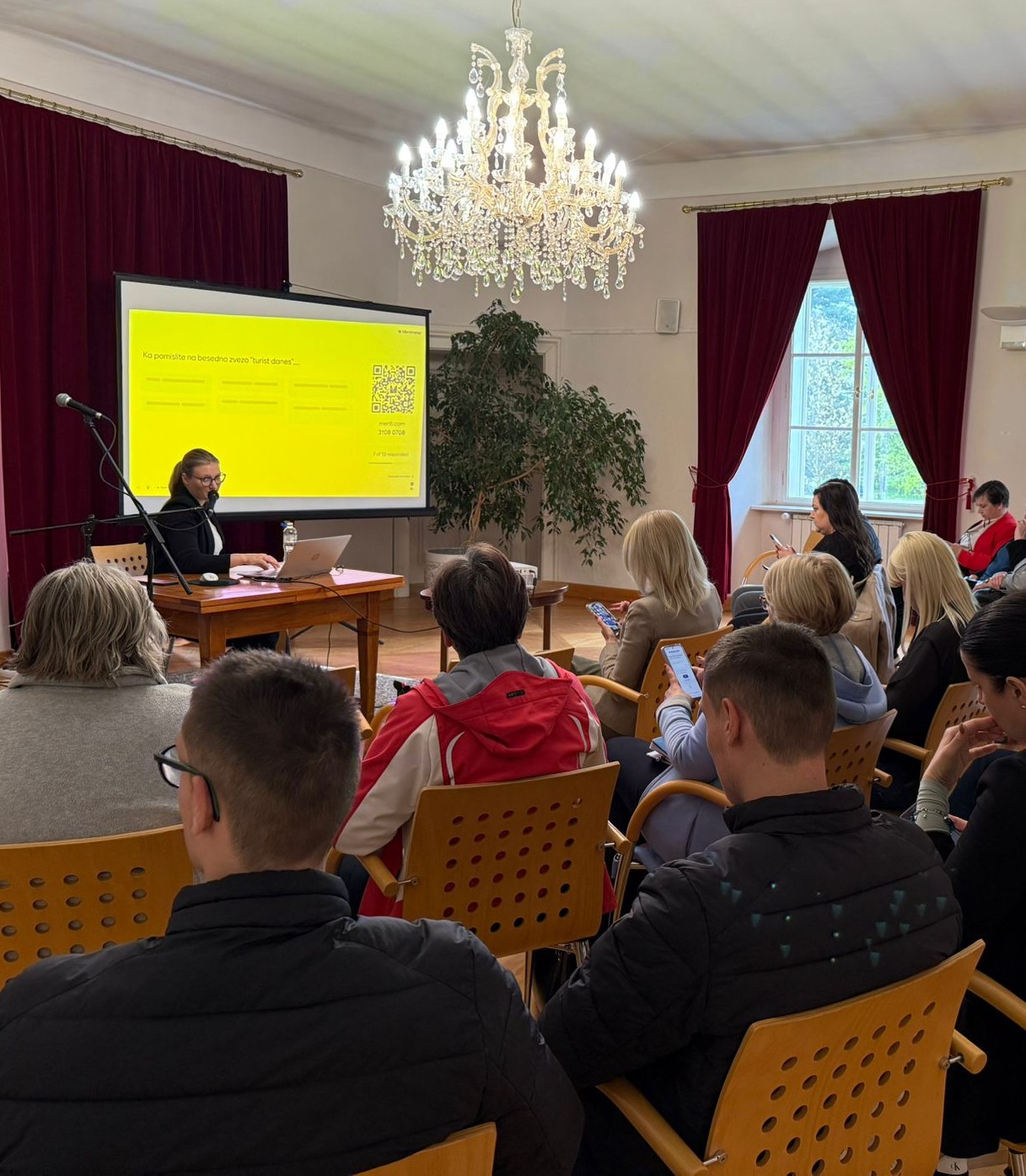
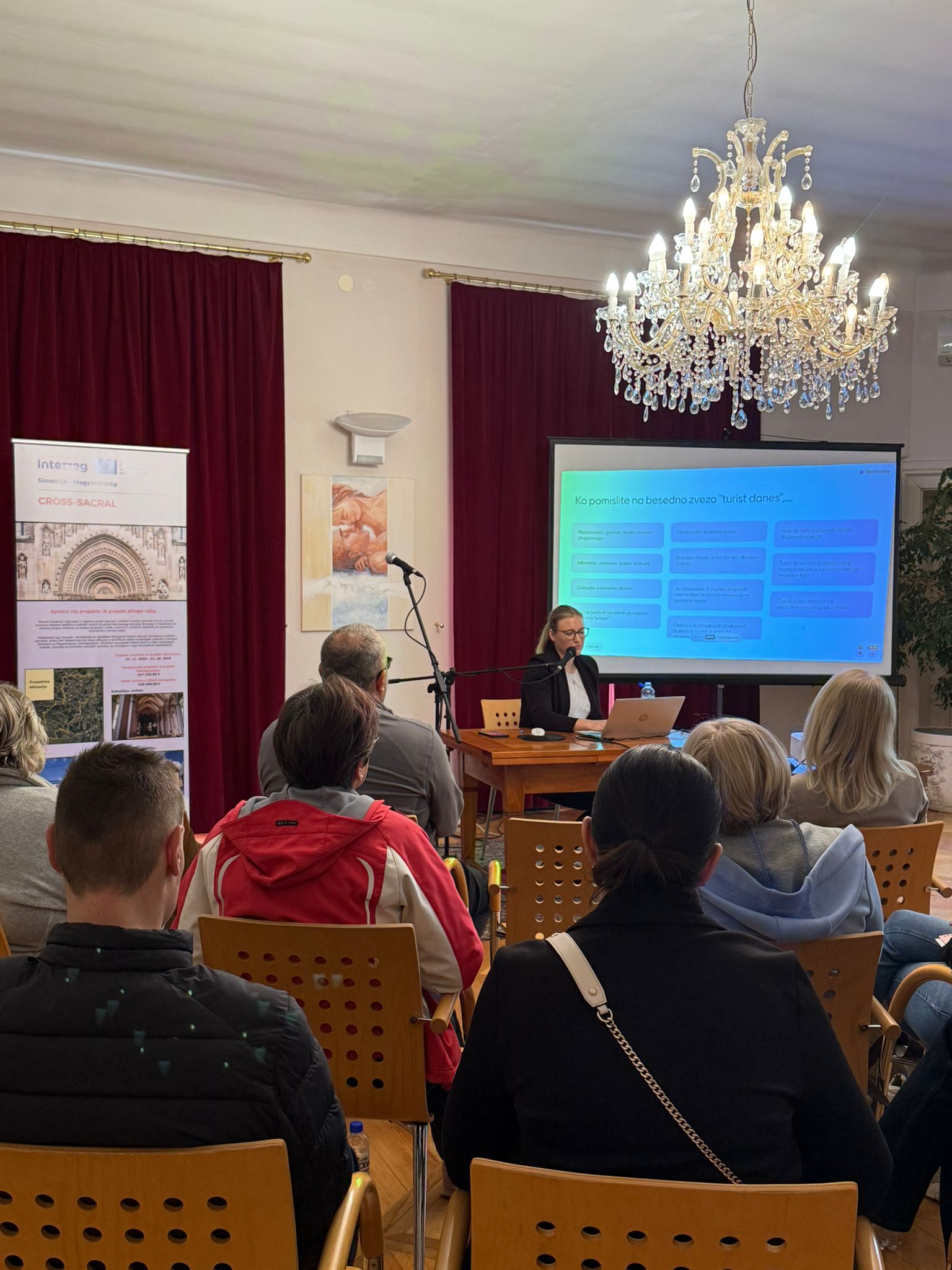
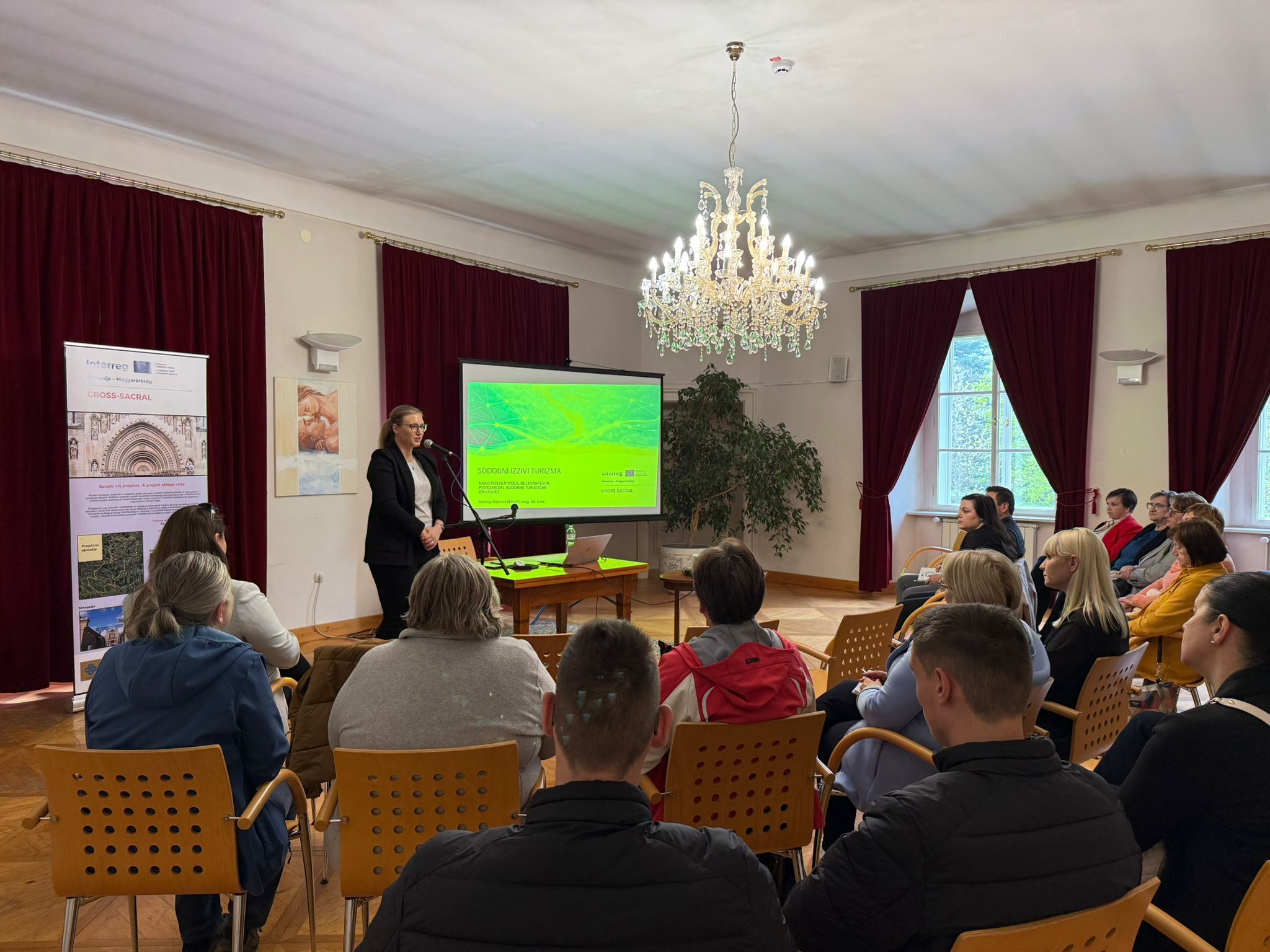
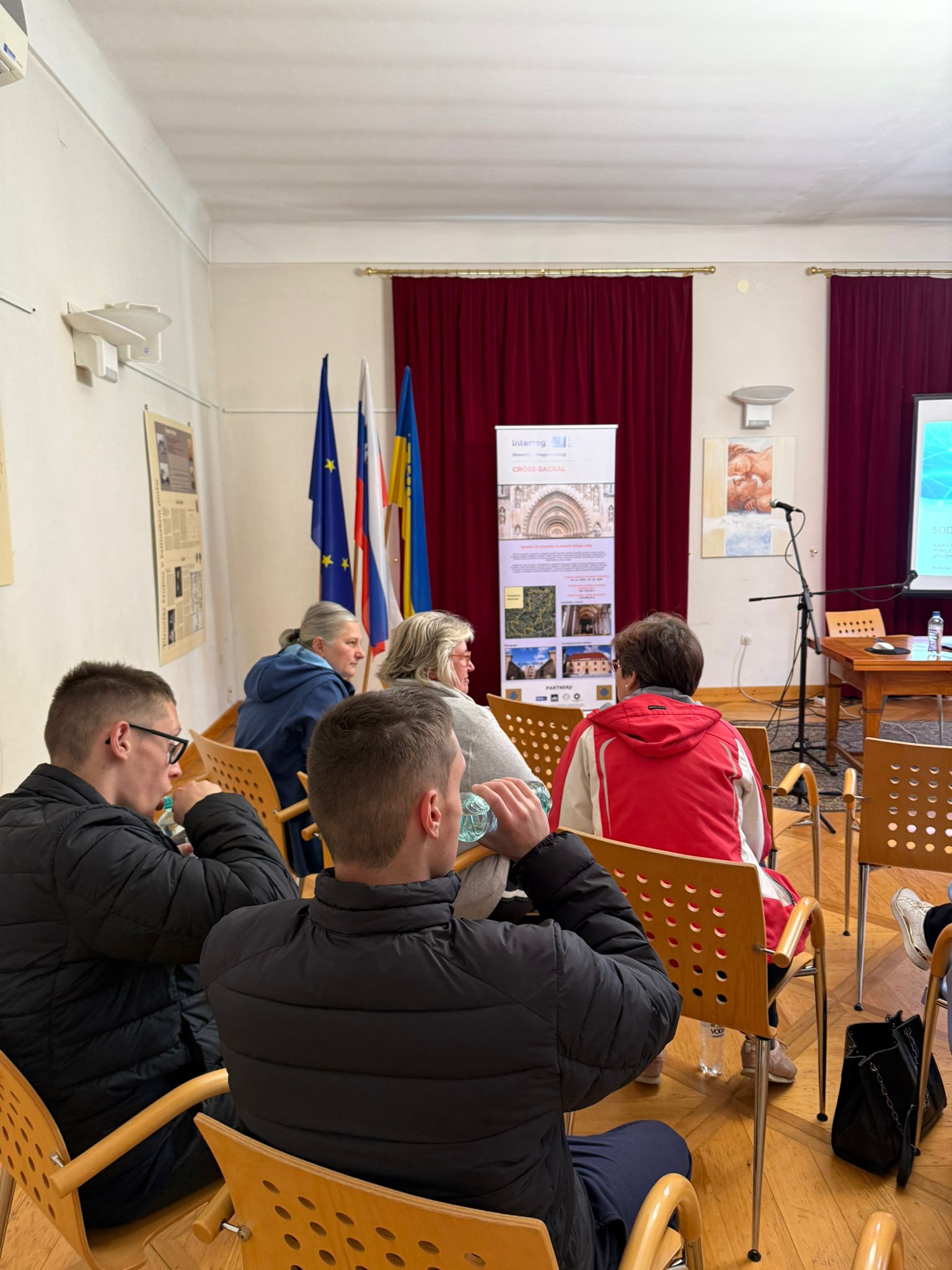
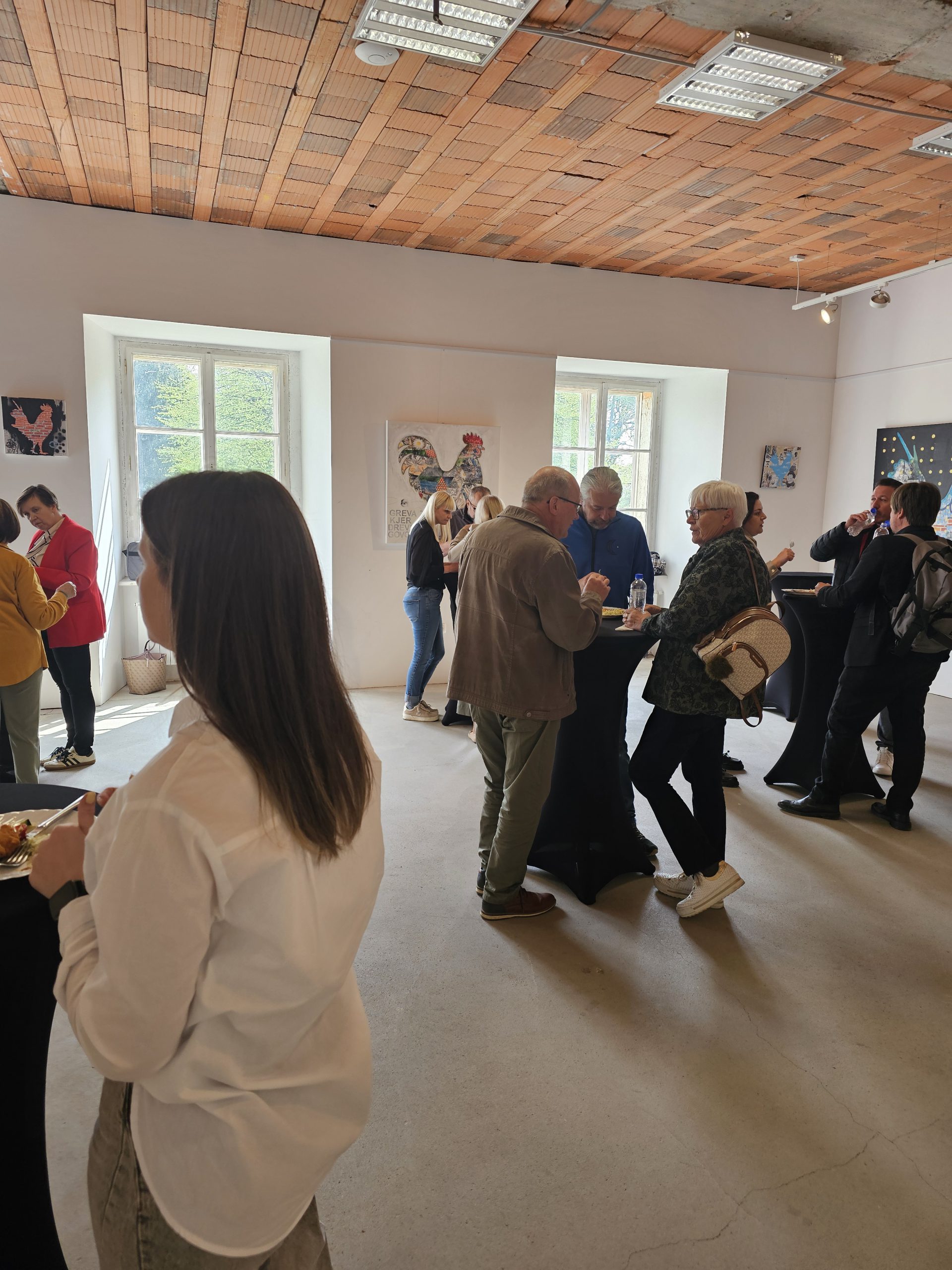
Within the CROSS-SACRAL project, the first workshop titled Contemporary Challenges in Tourism: How to Become a Visible, Relevant and Connected Part of the Modern Tourist Experience was held on 15 April at Beltinci Castle, targeting tourism providers and organisations in the region.
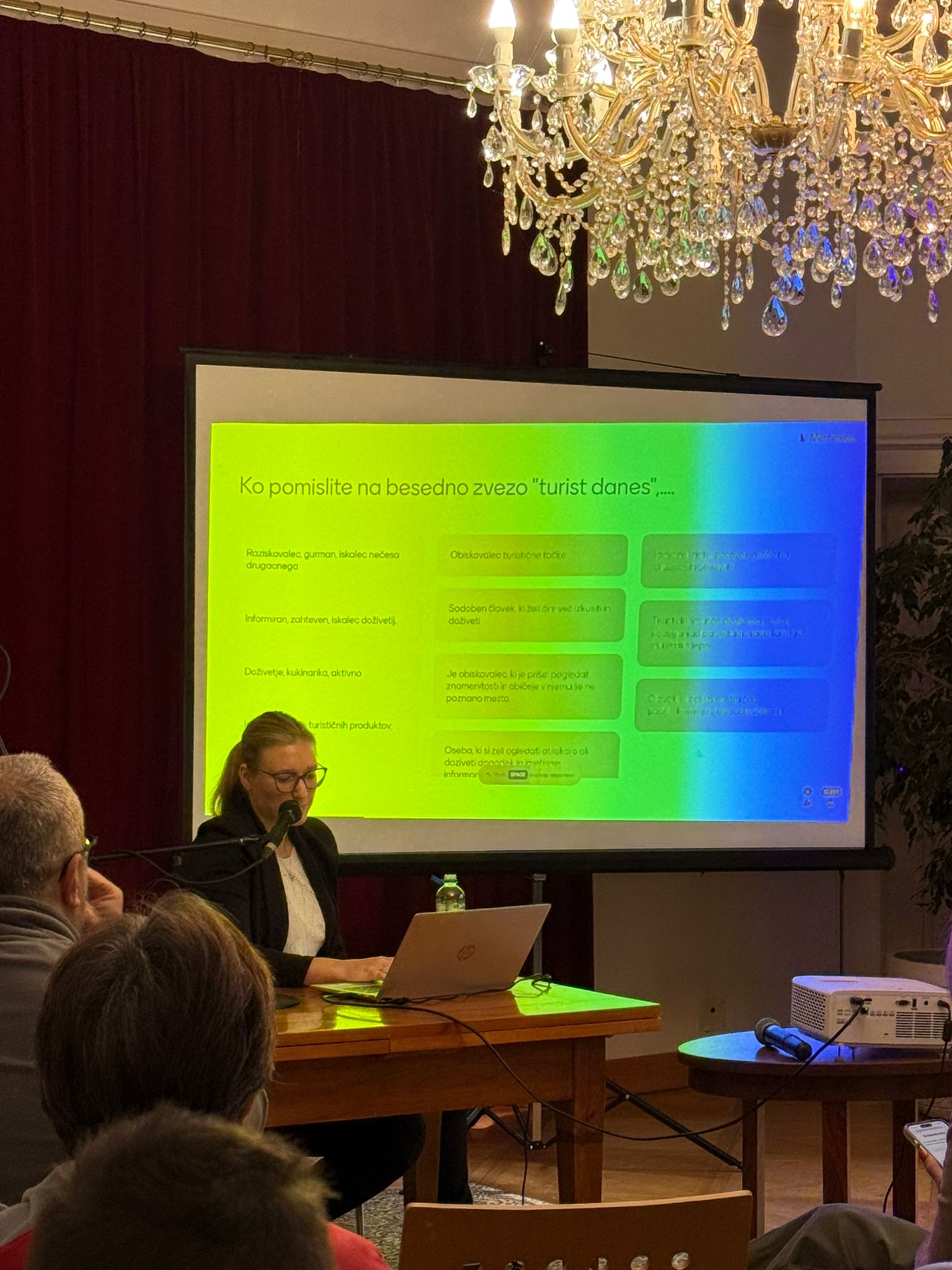
The workshop addressed a key question: not whether we offer quality services, but whether potential visitors can find us at all. Participants analysed the behaviour of modern tourists, from online searches, reviews and visual content to the influence of recommendations and social media, and concluded that digital presence is no longer a competitive advantage, but a prerequisite for being considered.
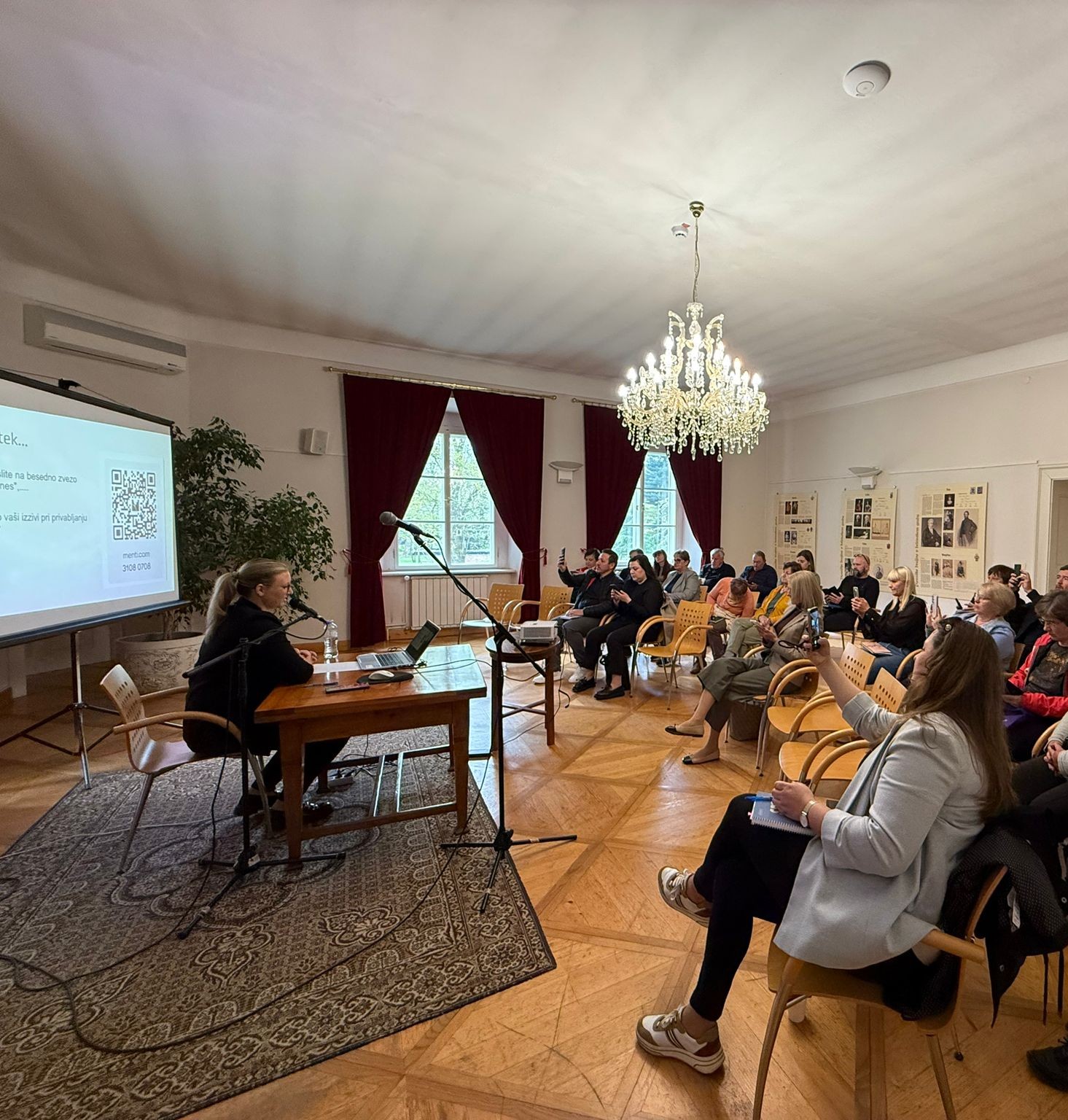
The focus was on practical tools for increasing visibility (Google Business, social media, QR codes, e-newsletters), alongside a self-assessment of presence on platforms such as Google Maps. A key insight from the first part was that individual, unconnected providers struggle to engage today’s visitor, who is seeking a coherent and personalised experience.
The discussion therefore shifted towards collaboration. Tourists are no longer looking for isolated points of interest, but for stories, routes and meaningful experiences. The need to develop joint products, thematic routes and stronger cooperation among providers was highlighted, as this can extend visitor stays and increase the overall value of the destination.
An important part of the discussion also addressed the management of customer reviews, provider responsiveness and the accessibility of information, as these factors often play a decisive role in the final choice.
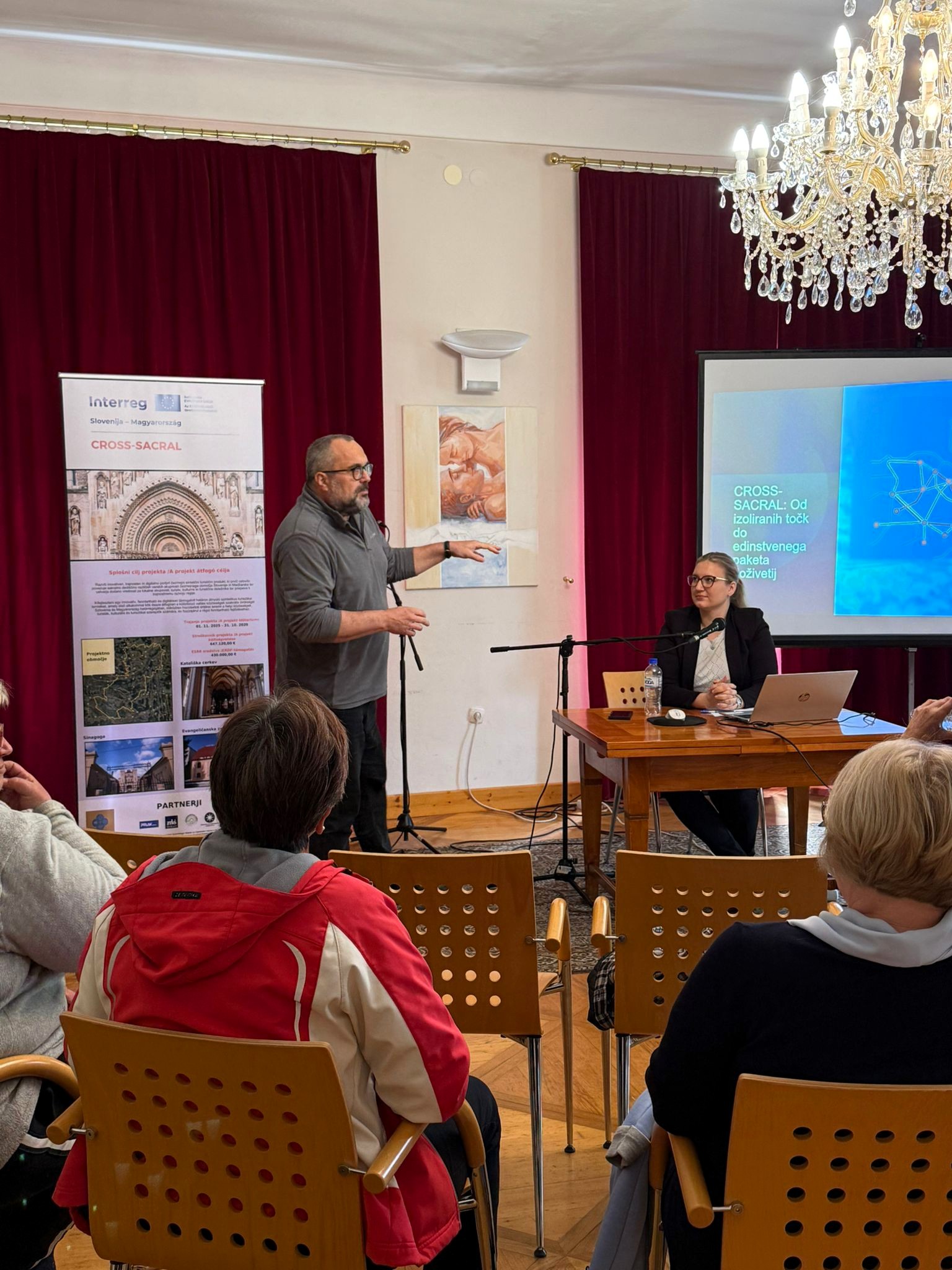
In the second part of the workshop, the concept of a joint digital tourism product within the project was presented. This includes the development of the digital avatar ADAM, which will guide visitors through content, and an interactive map of sacral heritage, connecting individual locations into a coherent and experiential whole.
The discussion confirmed that such an approach requires close cooperation between managers of sacral sites, tourism providers and organisations. Participants contributed suggestions for the inclusion of various locations and emphasised the importance of a coordinated and unified digital presence.
The key conclusion of the workshop was clear: the future of tourism lies in collaboration, digital integration and the development of experiences that go beyond individual offers and provide visitors with a comprehensive story of the destination.
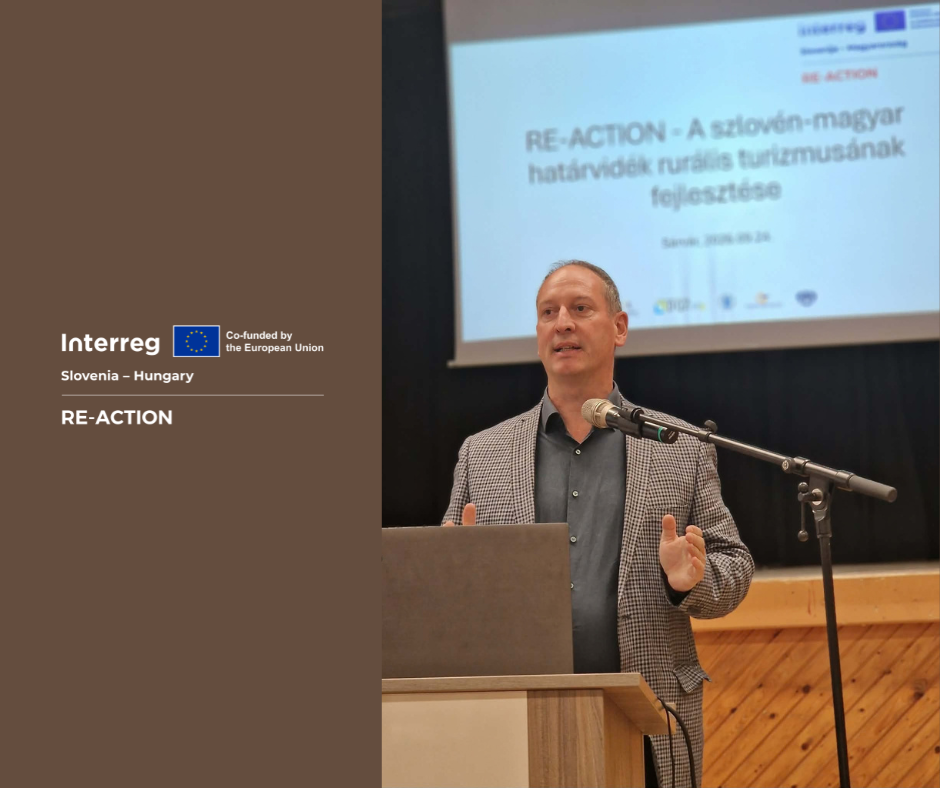
Photos by: Javni zavod za turizem, kulturo in šport Beltinci

Leave A Comment