

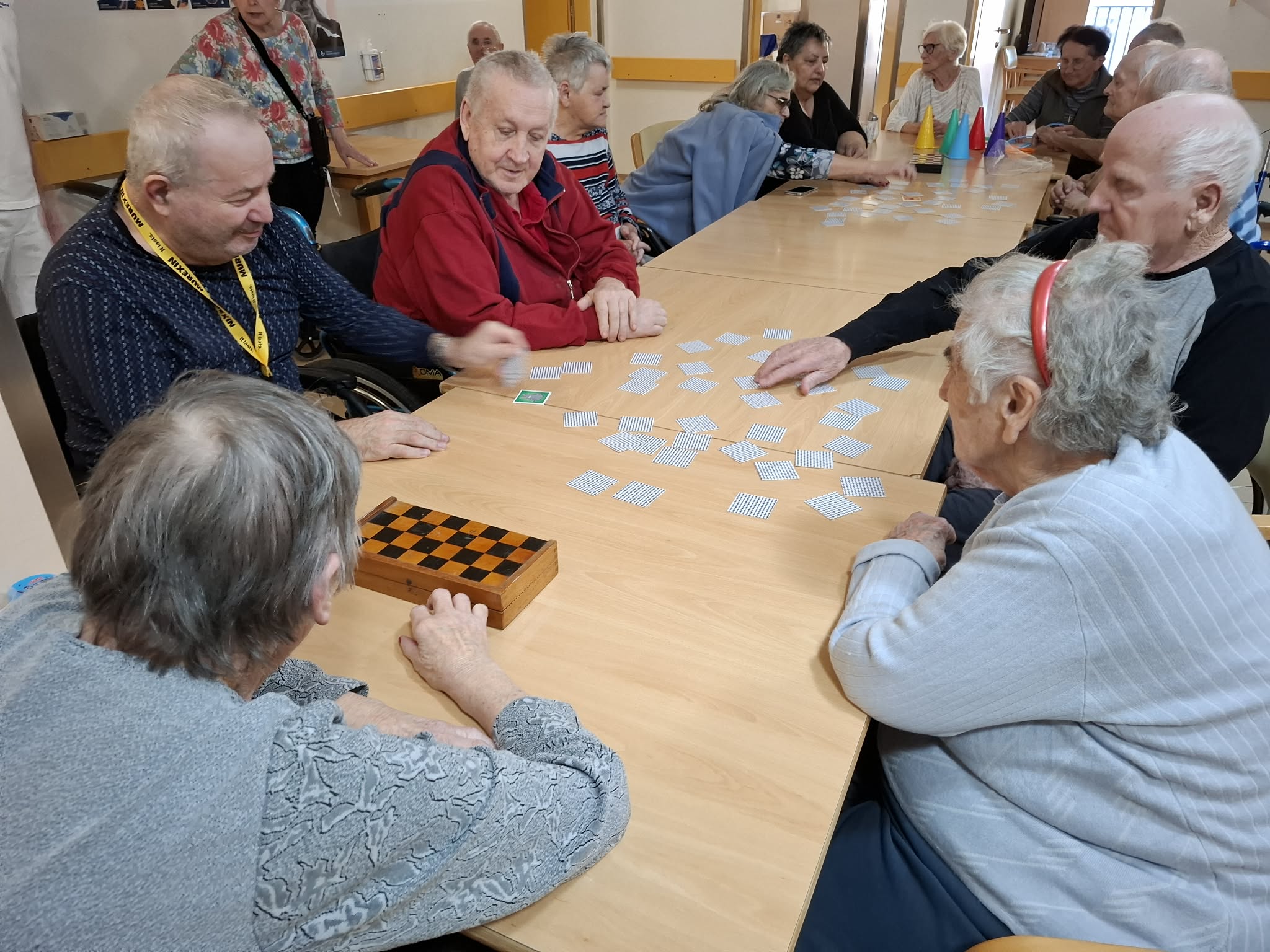
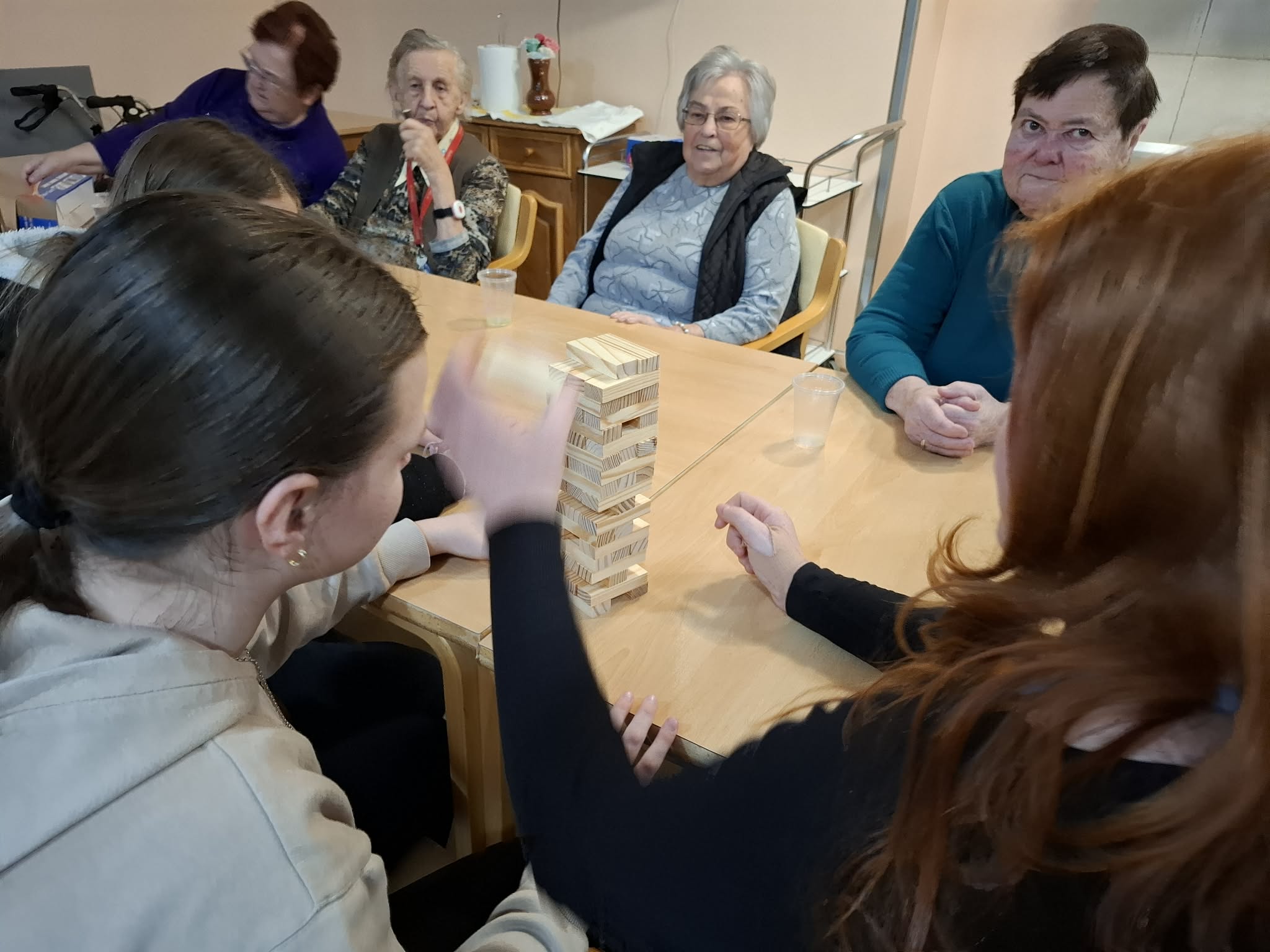
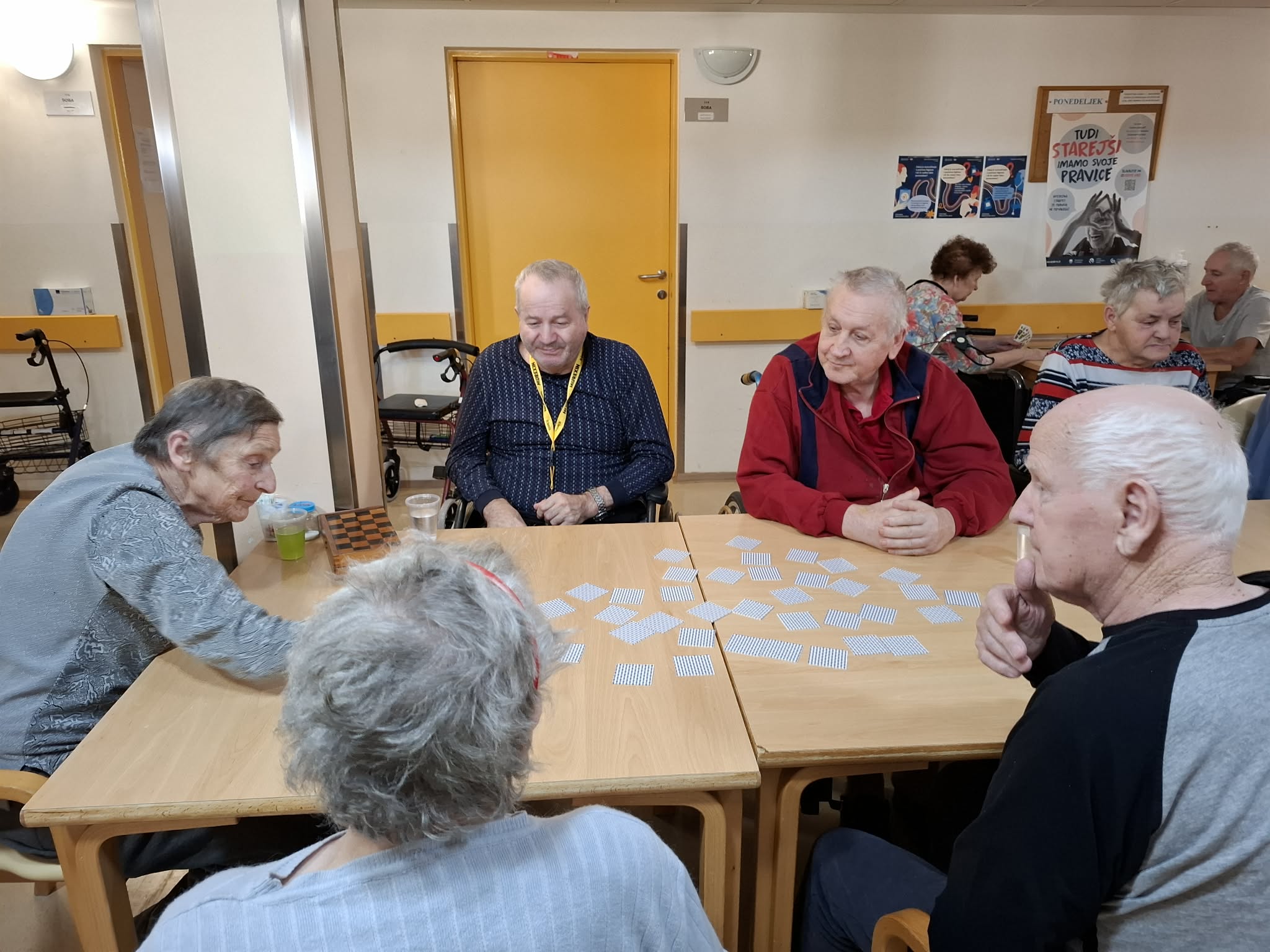
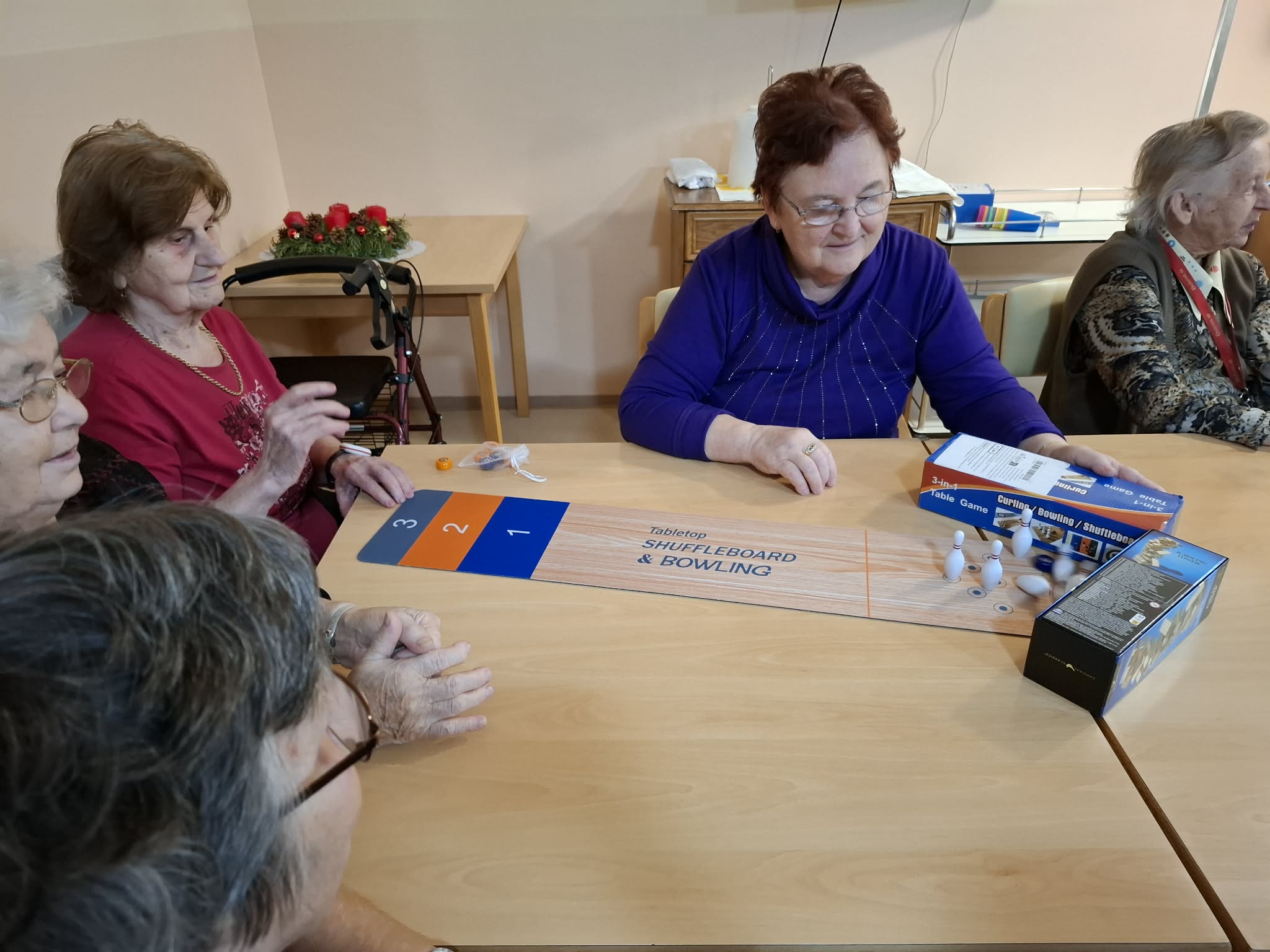
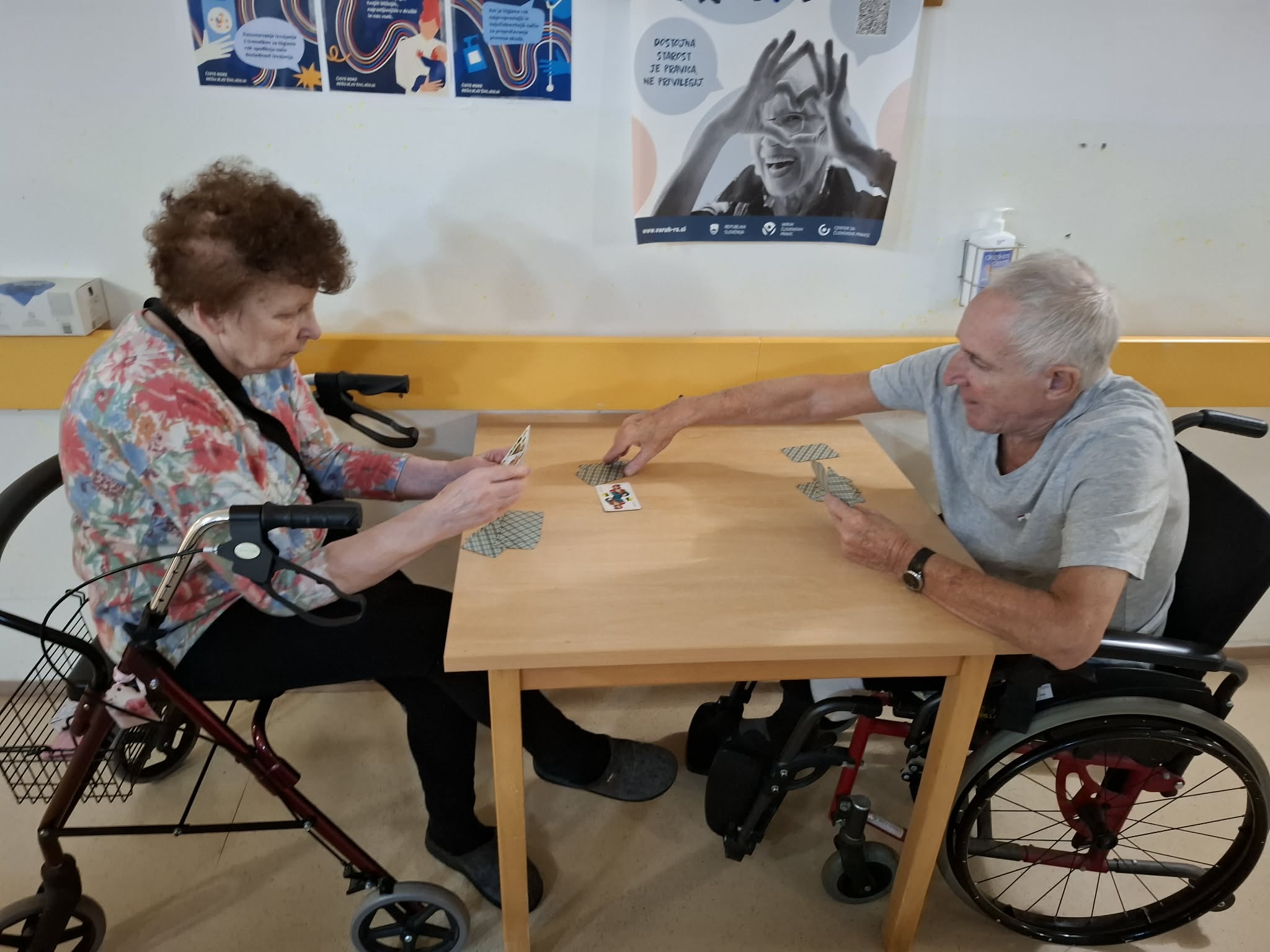
On Friday, 12 December 2025, the 3rd workshop within the CONNECT project, entitled The Game of Harmony, took place at the Janko Škraban Community Centre in Beltinci. The event was attended by 44 participants from Hungary and Slovenia. Among the Slovenian participants were representatives of the non-profit organisation Rehatopija and a participant from the Lendava Adult Education Centre. The event was moderated by Nataša Hartman Adjei, the workshop was led by Majda Baligač, and interpretation between Slovenian and Hungarian was provided by Peter Koša.
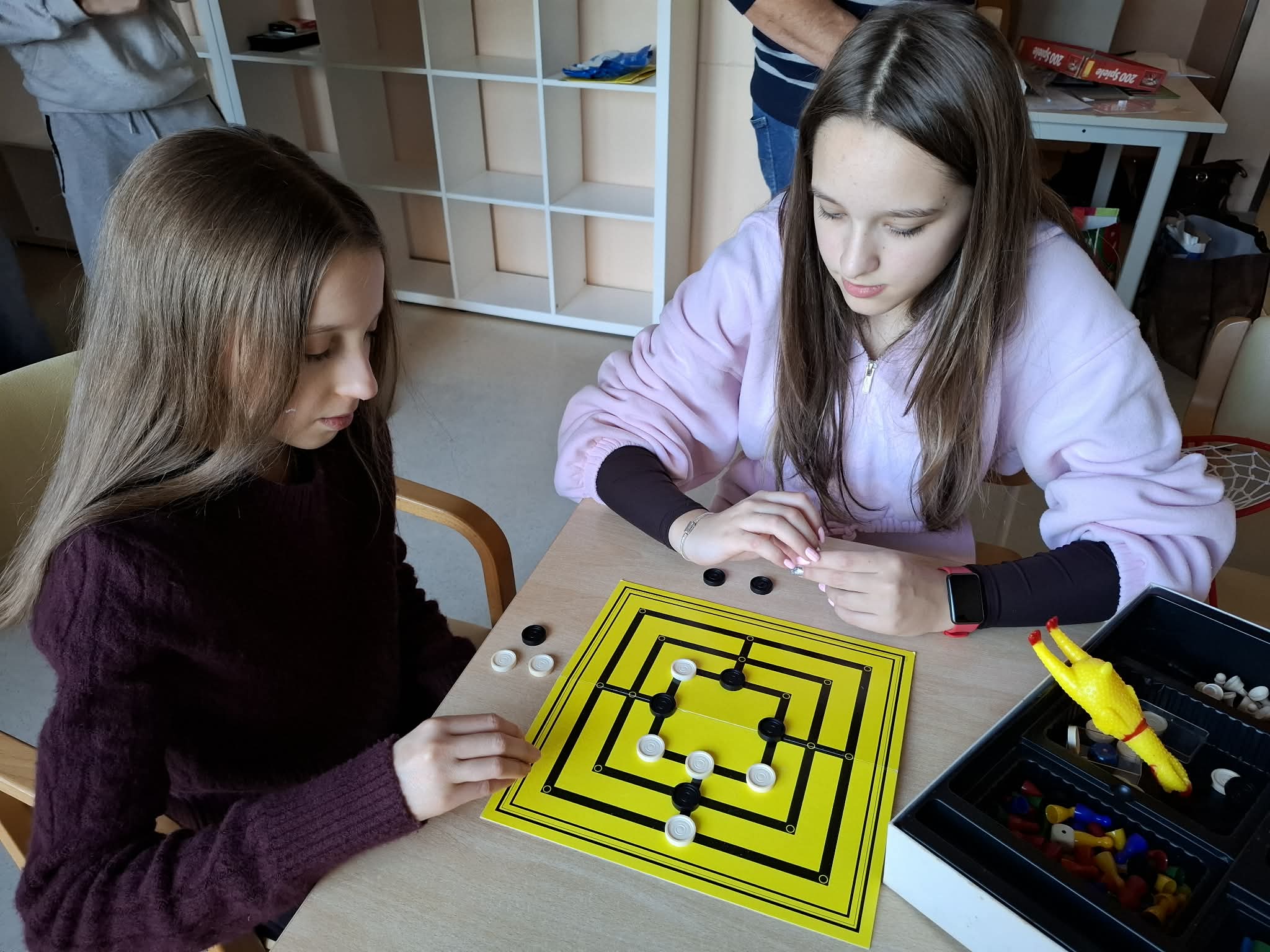
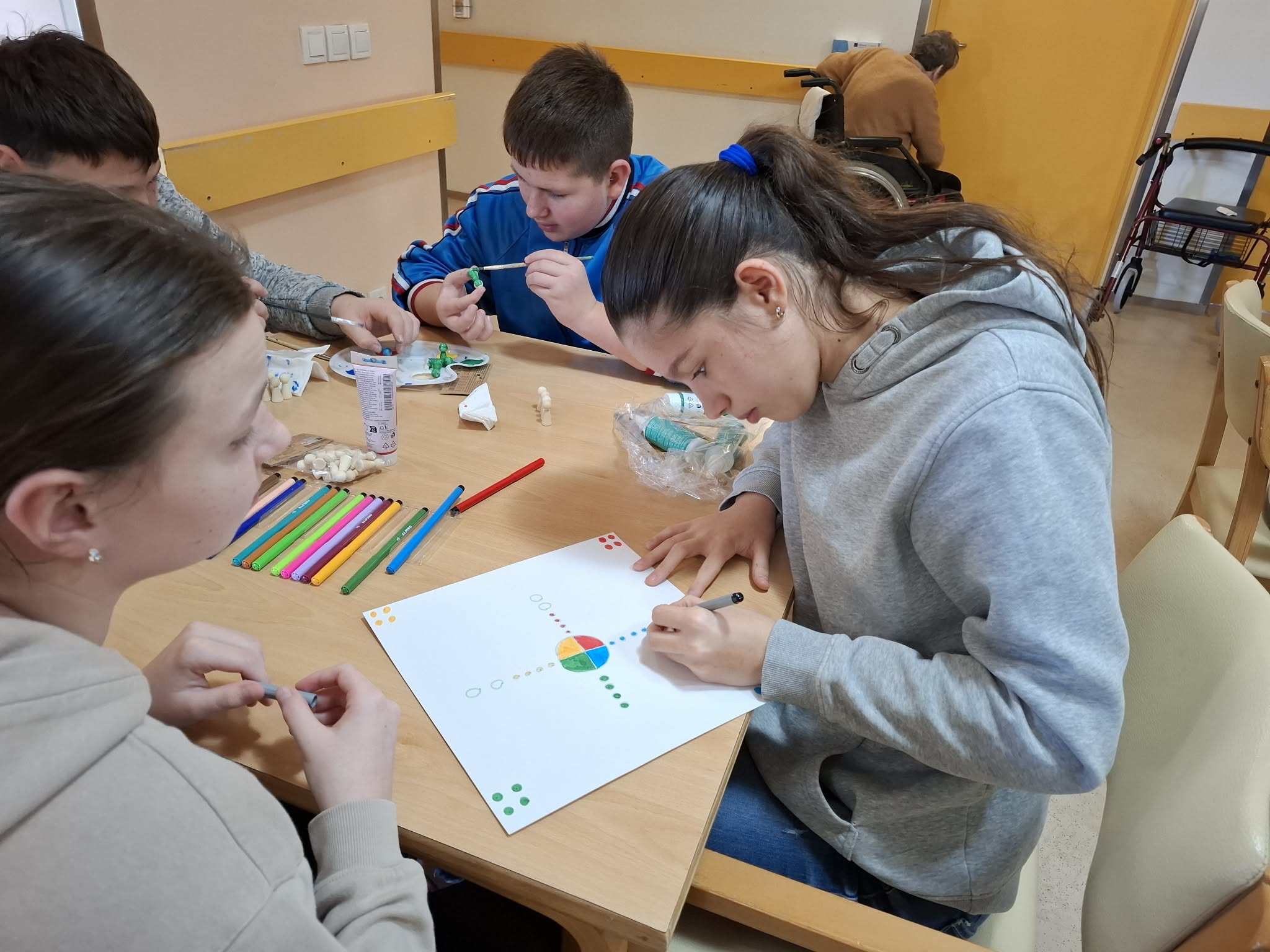
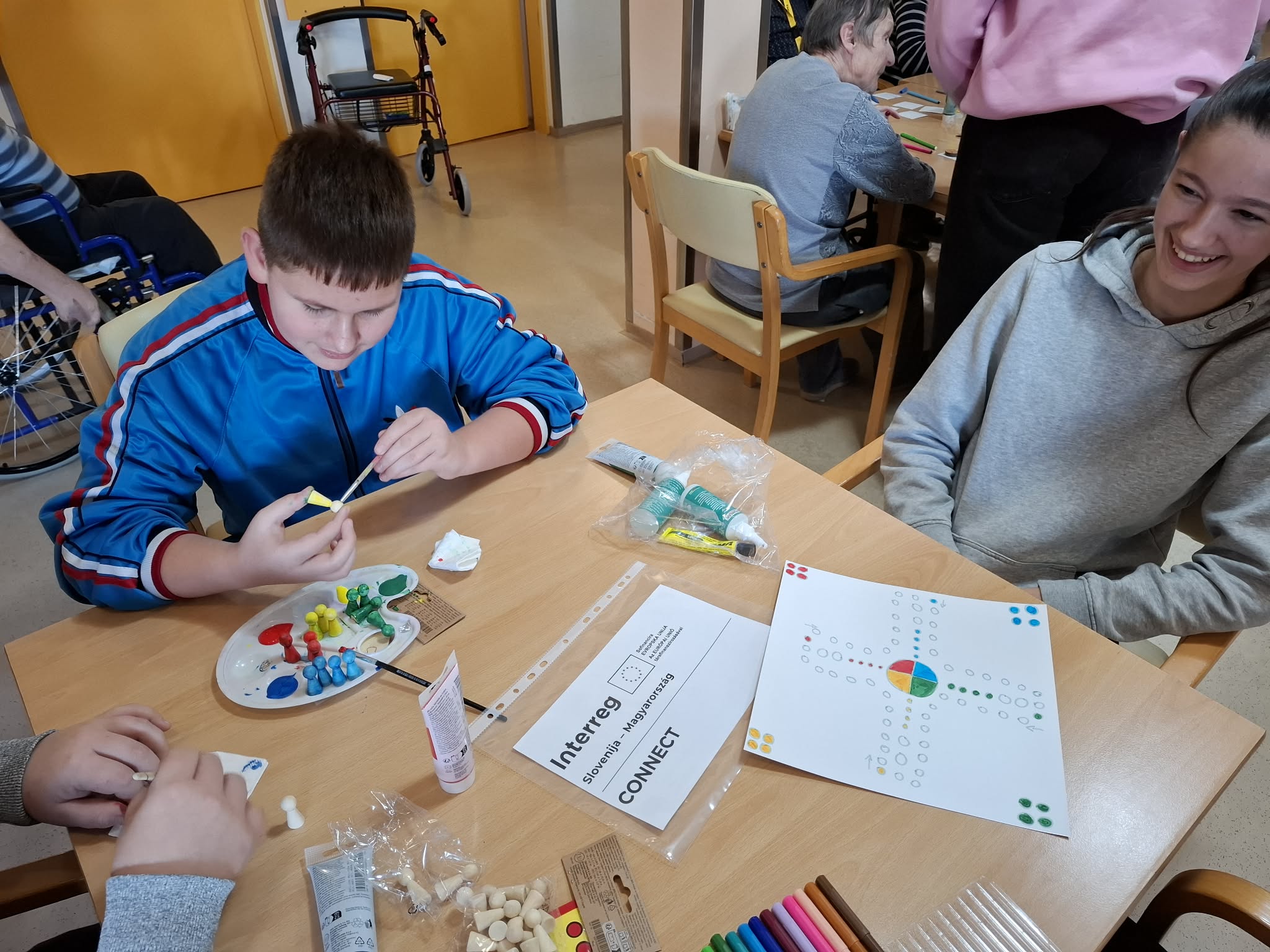
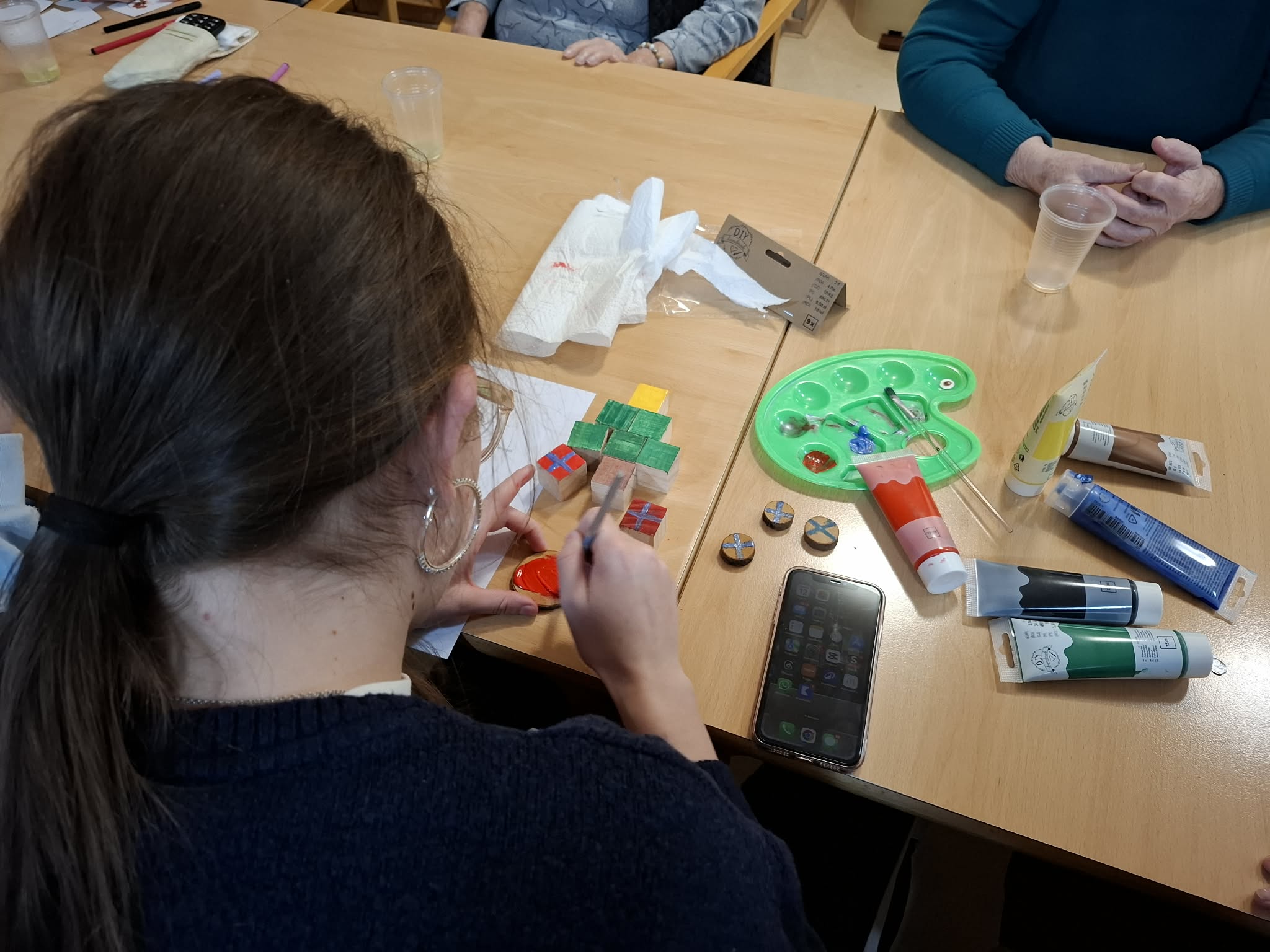
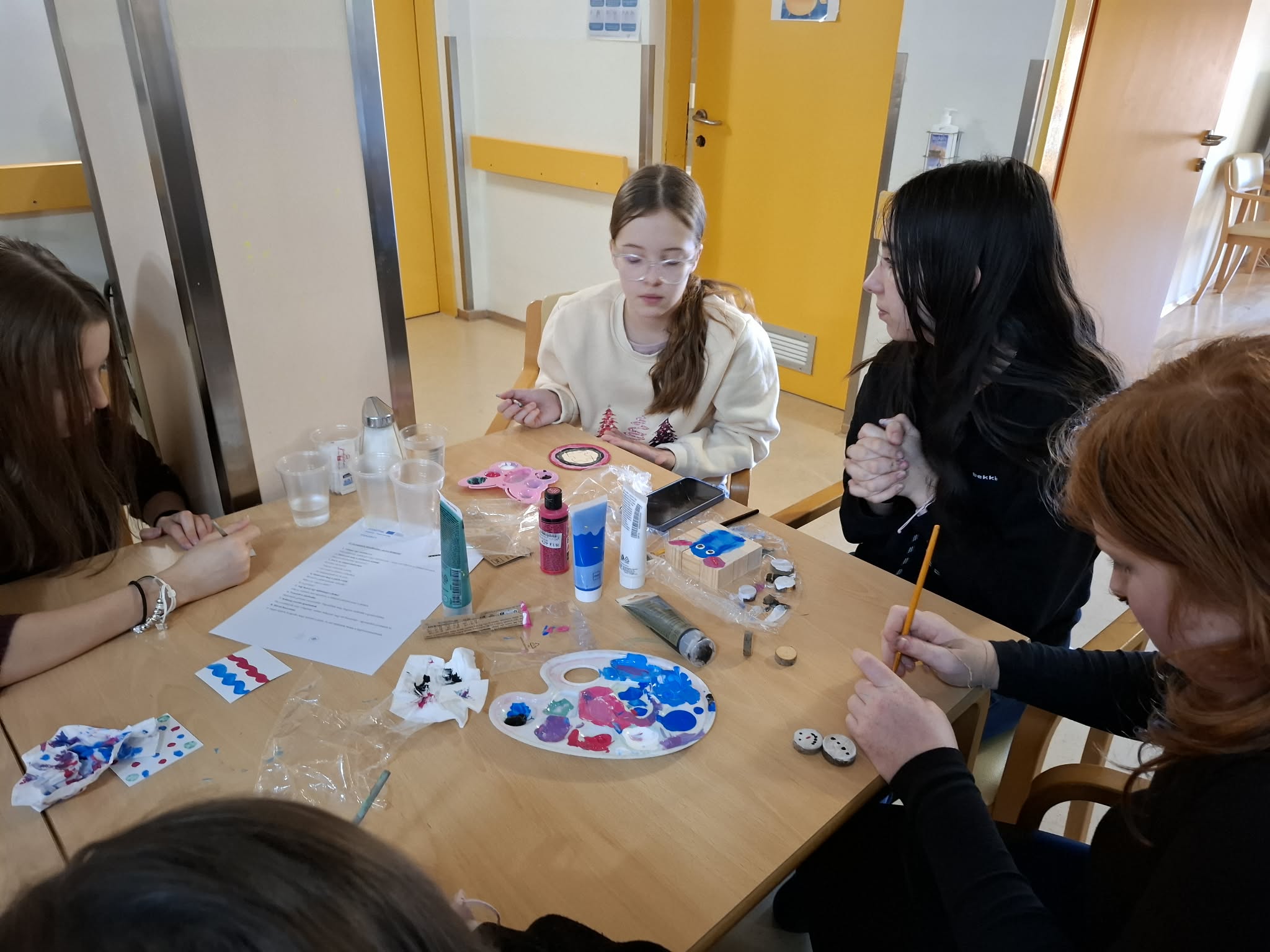
The event began at 8:00 a.m. with a welcome address, a presentation of the project, an overview of the two workshops already carried out, and a presentation of both project partners. Ms Gabrijela Küzma from the Interreg Programme Slovenia–Hungary was also present at the event. She welcomed all participants at the beginning and introduced the programme. This was followed by social interaction among participants through playing board and social games characteristic of both countries (chess, schnaps, Uno, Old Maid, Ludo, Connect Four, dominoes, Nine Men’s Morris, memory games, table skittles, bowling, tower stacking, Mikado, tic-tac-toe, puzzle assembling, Guess Who, “Little Chick”, darts, jute ring toss, table sports games, cup-and-bell game, etc.). To ensure the games ran smoothly, the interpreter translated the instructions into both languages. Some participants from Slovenia also spoke Hungarian, which made socialising and playing games even more engaging and easier. Later, older participants presented games they used to play in the past that are no longer played, or are played only rarely today (rotten egg, Nine Men’s Morris with peas, kneeling games, fox and hare, town–city–state, counting-out rhymes, button throwing, hopscotch, etc.). The interpreter translated the presentations into both Hungarian and Slovenian. Participants then created their own unique board games using various materials (wood, stone, paper, etc.) and tools (coloured pencils, felt-tip pens, tempera paints, etc.). Games such as memory games, Connect Four, Ludo, tic-tac-toe, puzzles, and dice games were created. Each group wrote down the name of their game and its rules, tested the game, and presented it to the other participants. Interpretation was provided in both languages. Participants kept their games as souvenirs of the workshop and the pleasant social gathering. Mental health ambassadors (a professional and participants from the 1st workshop) were also present at the workshop and promoted the project through their contributions.
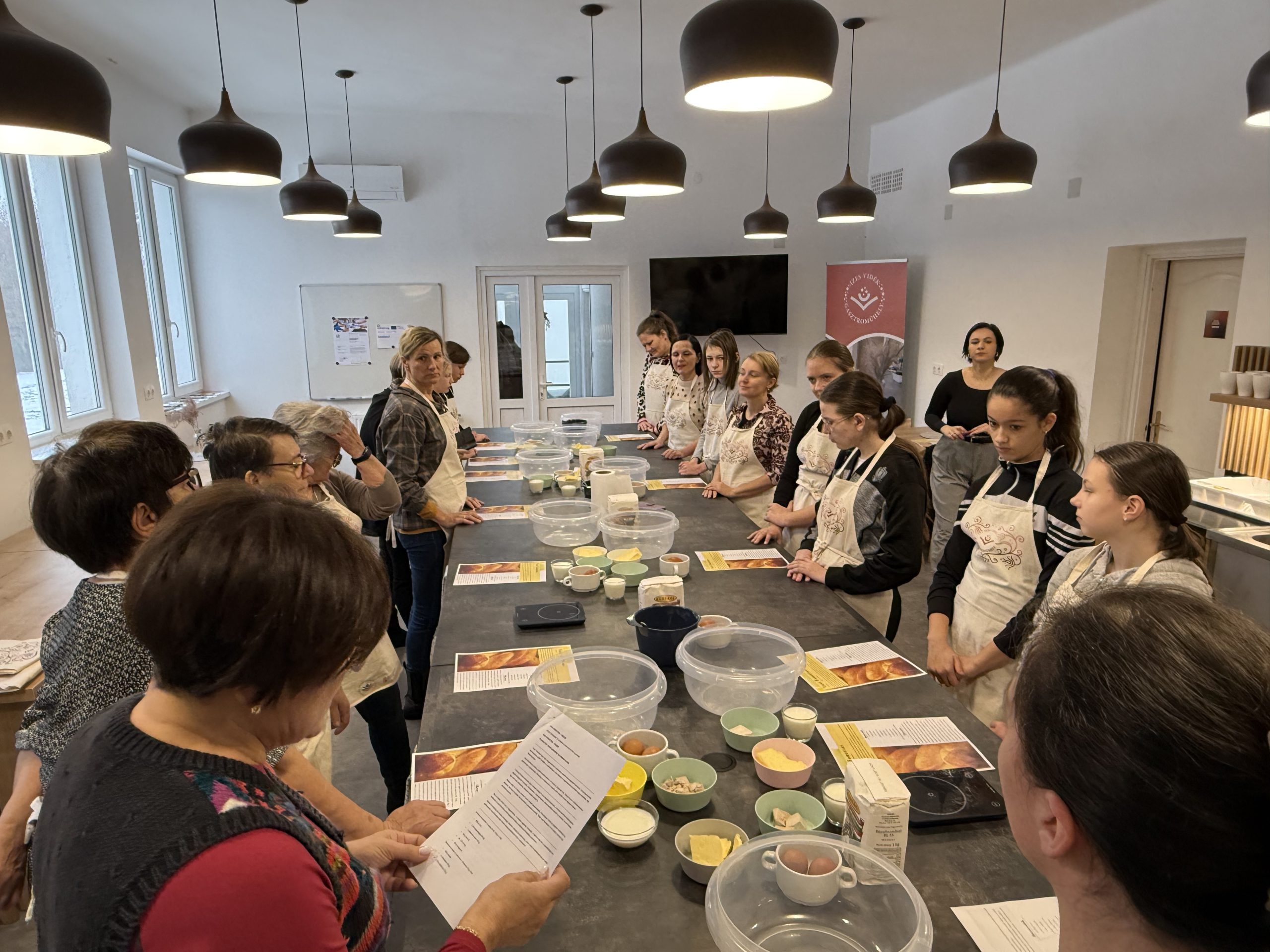
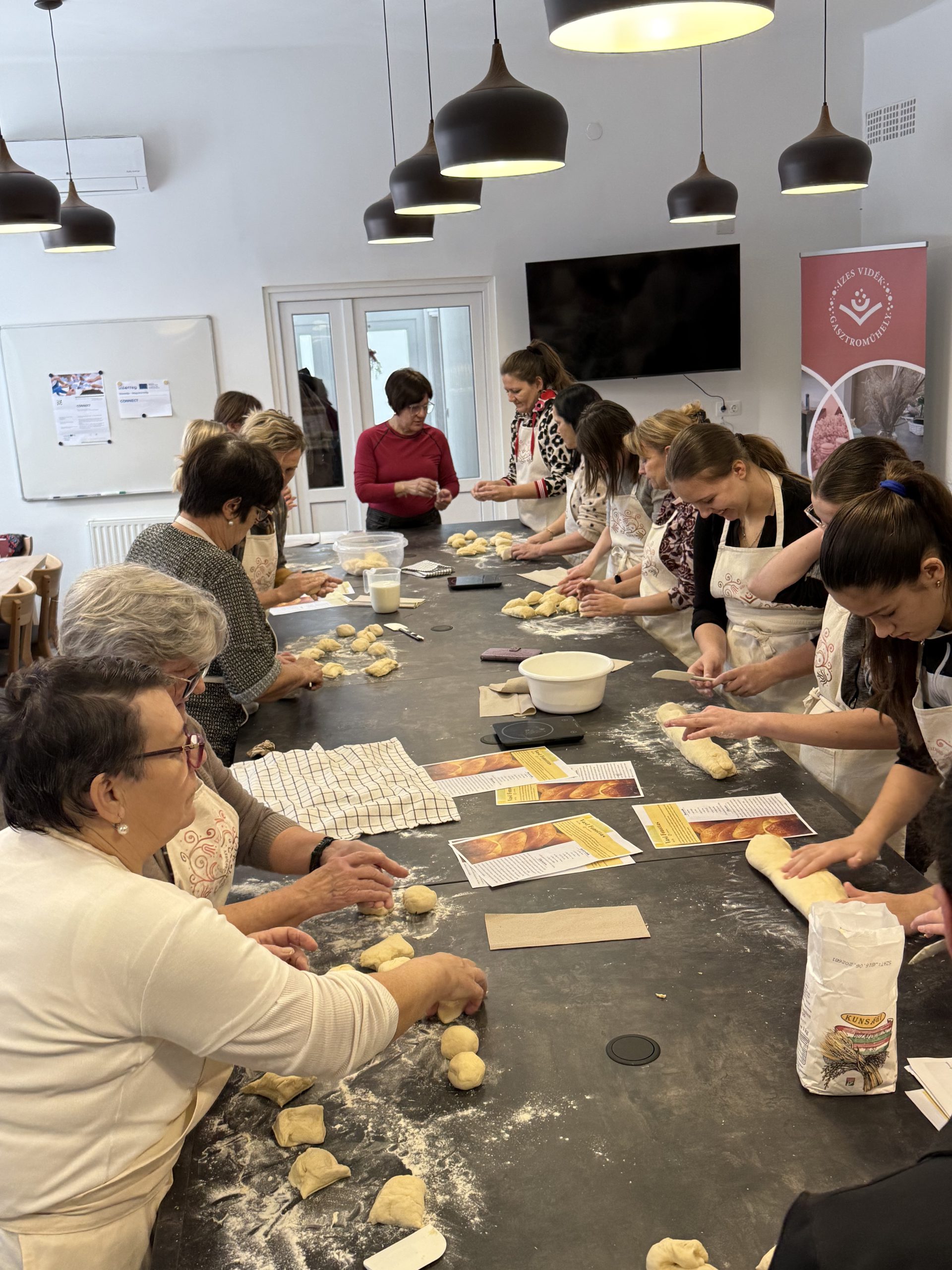
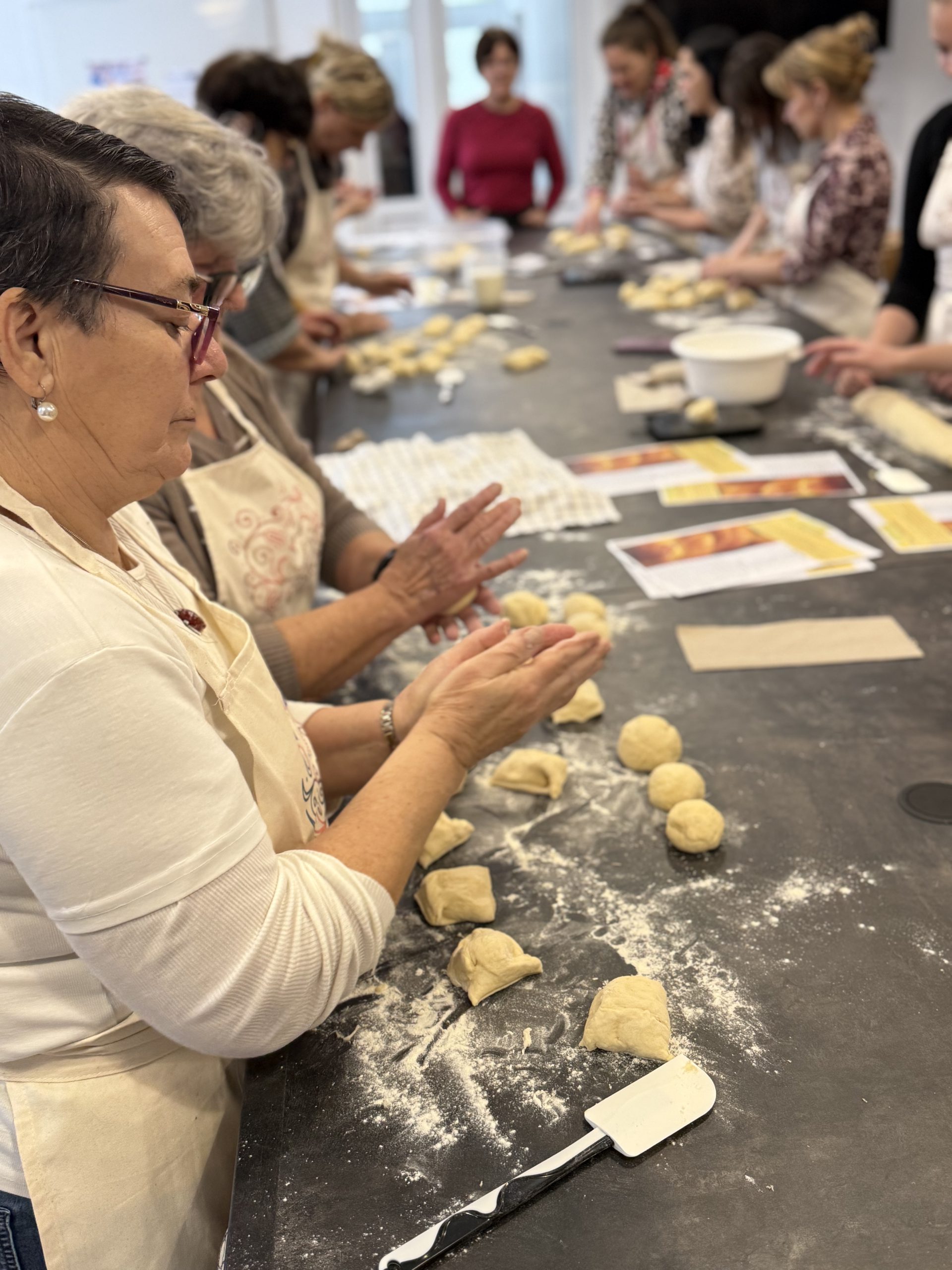
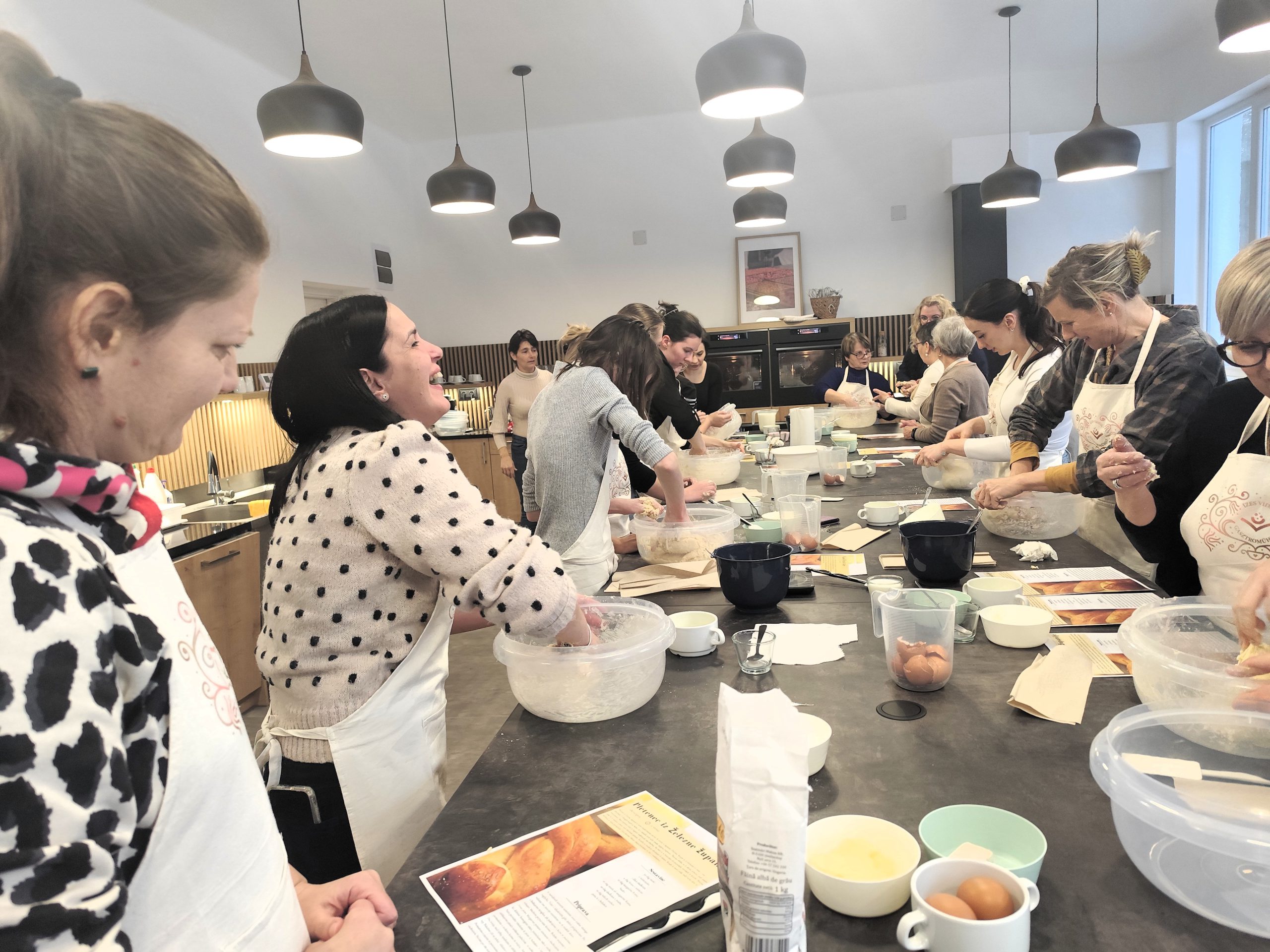
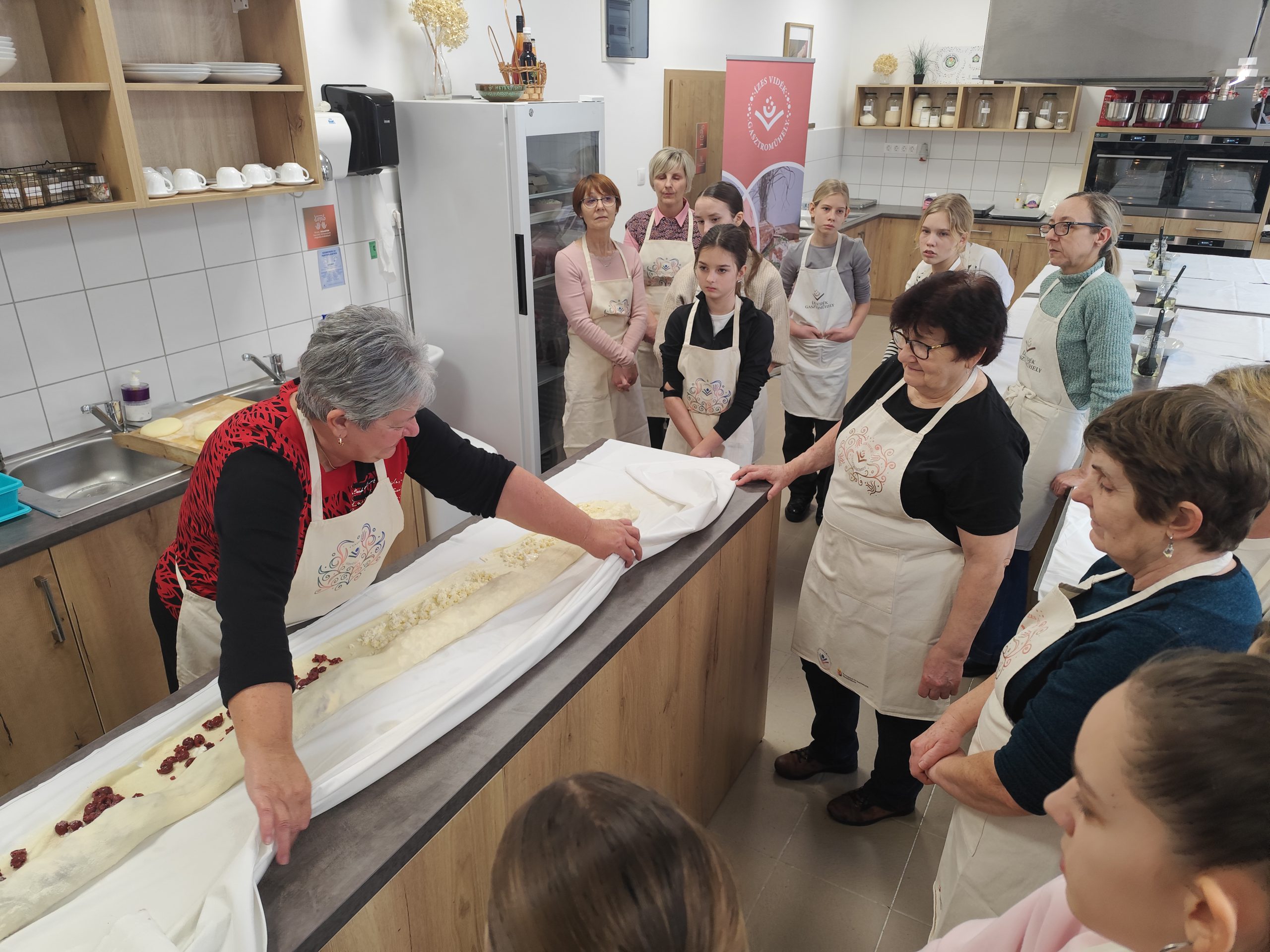
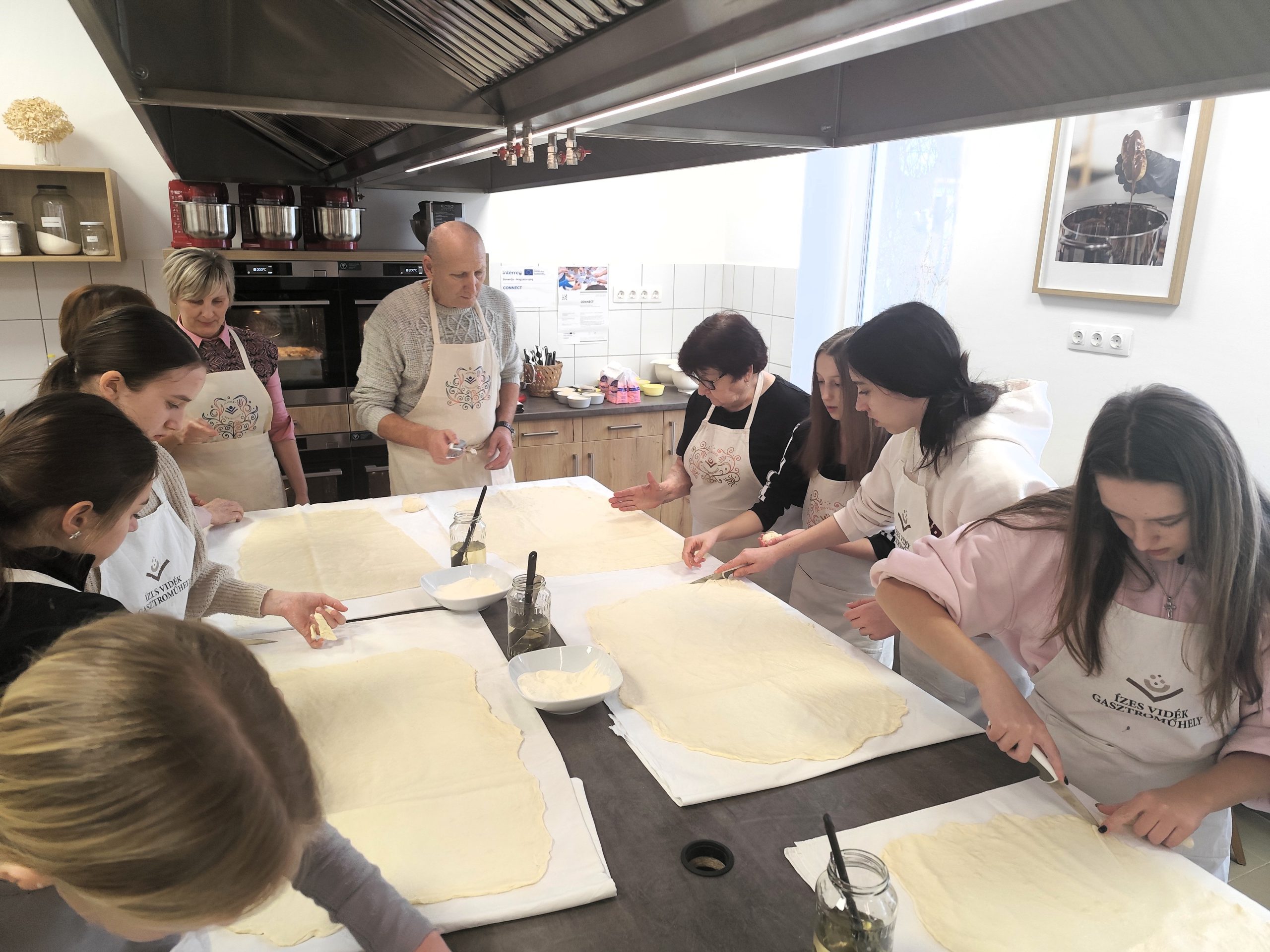
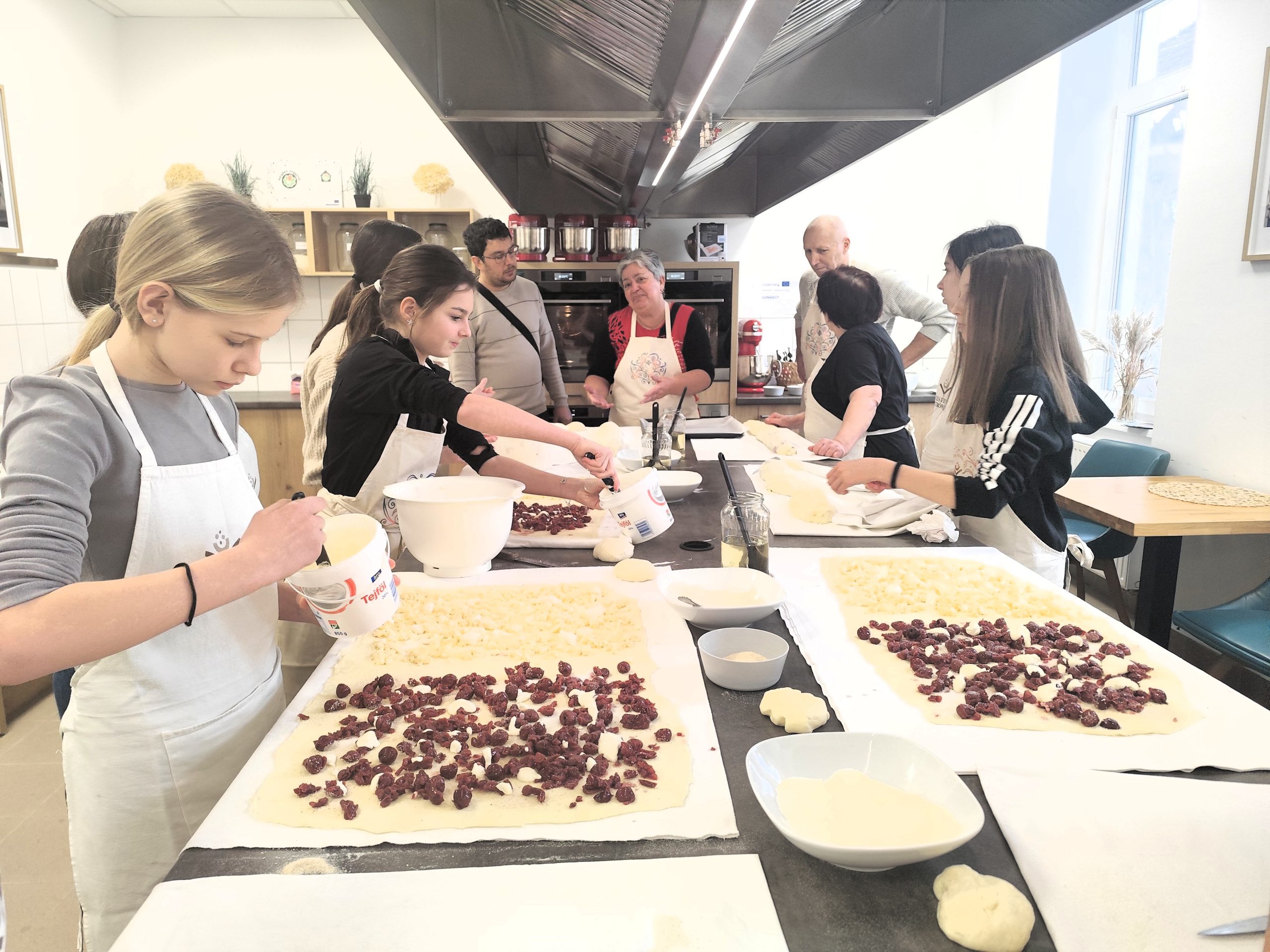
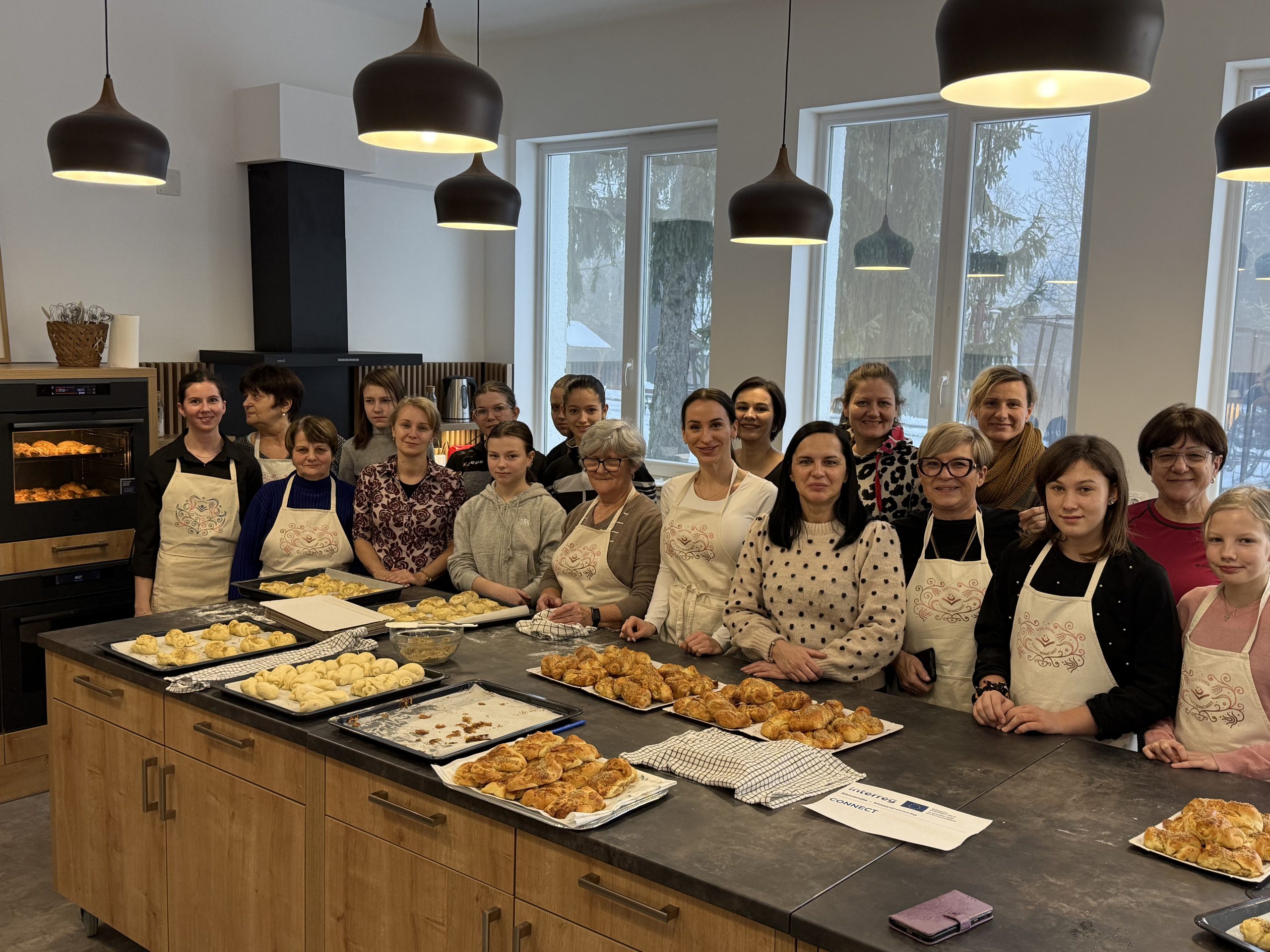
On Friday, 16 January 2026, the 4th and final workshop, entitled “Braid and Strudel”, was successfully held at the Ízes Vidék Gastro Workshop, operated by the Vasvár Wider Region Folk High School Foundation, in Oszkó, Hungary. The event was attended by 40 participants from Hungary and Slovenia, arriving from across the entire cross-border region. The workshop aimed to strengthen Slovenian–Hungarian relations through gastronomy, joint cooking activities, and experience-based cooperation.
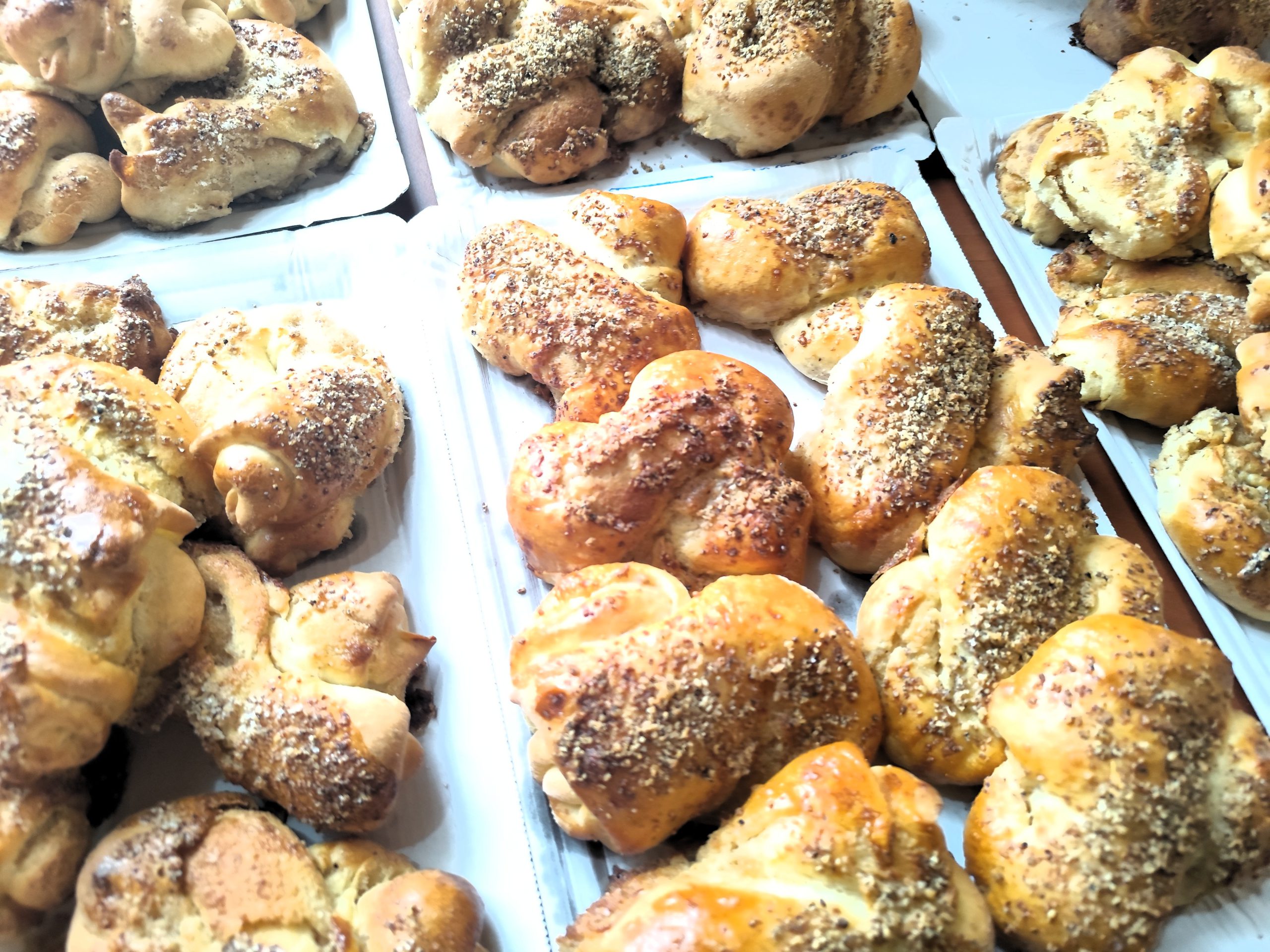
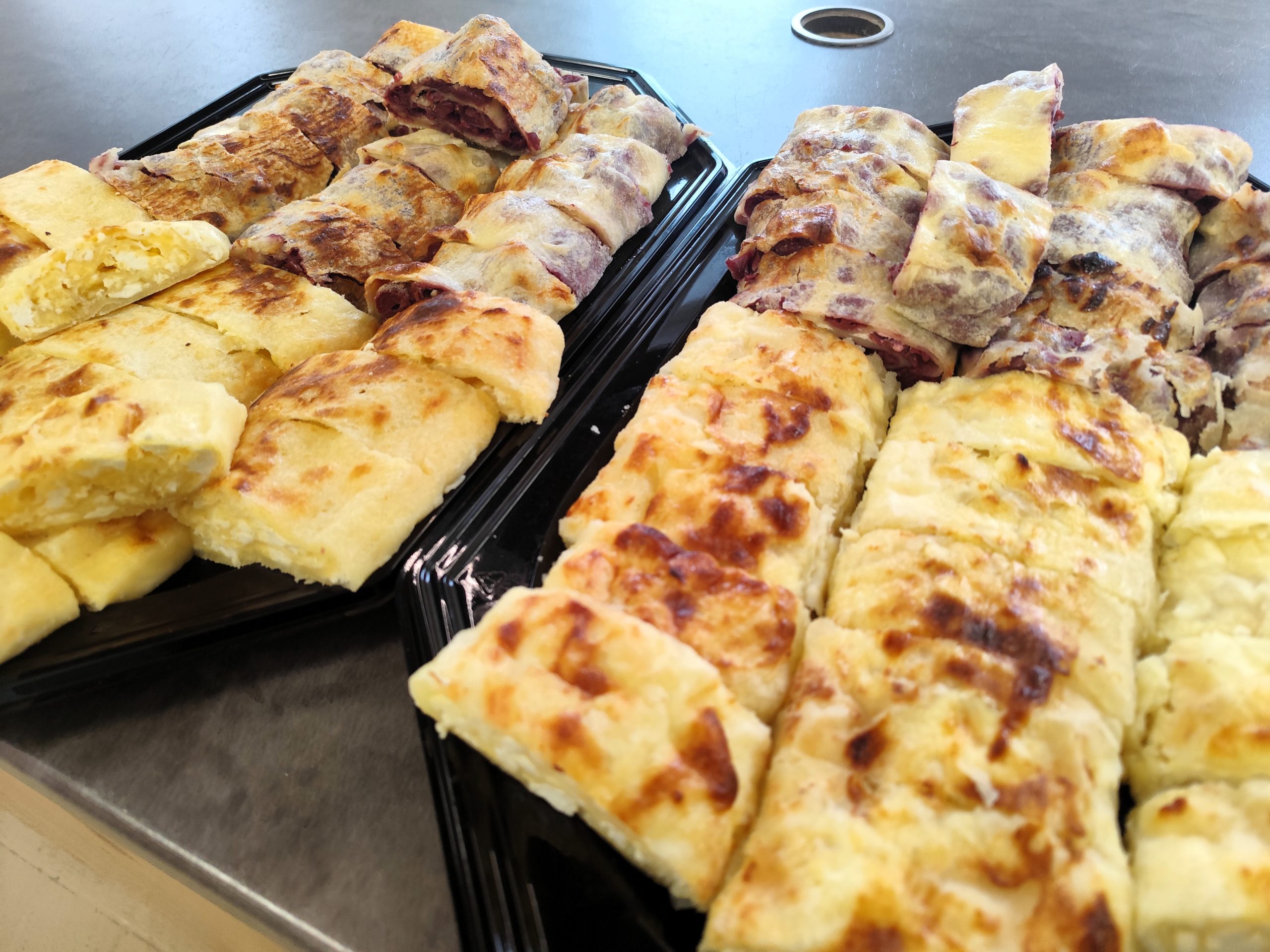
The workshop began with participant arrival and registration, followed by a welcome speech and the presentation of the CONNECT project and its project partners. Participants were introduced to the activities already implemented within the project and its key objectives, with particular emphasis on community building and the promotion of mental well-being. The professional programme was carried out in two mixed Slovenian–Hungarian groups. In one group, participants prepared traditional hand-stretched strudel under the guidance of Ilona Séfelné Horváth, while in the other group, participants learned traditional techniques for making braided pastry (braided bread) under the supervision of Ivett Glavánovics. An important aspect of the workshop design was the primary use of non-verbal communication, which enabled effective cooperation without language barriers. Nevertheless, Hungarian–Slovenian interpreter support was also provided. During the joint cooking process, not only recipes and techniques were exchanged, but also personal stories, family traditions, and gastronomic knowledge passed down through generations. One of the tangible outcomes of the workshop was a joint recipe booklet, bringing together simple yet valuable recipes representing different cultures. Following a short break, the programme concluded with a shared lunch and tasting session, during which participants sampled the pastries prepared during the workshop. The informal discussions and shared meal provided a fitting conclusion to the joint work carried out within the CONNECT project.
Photos by CONNECT


Leave A Comment