



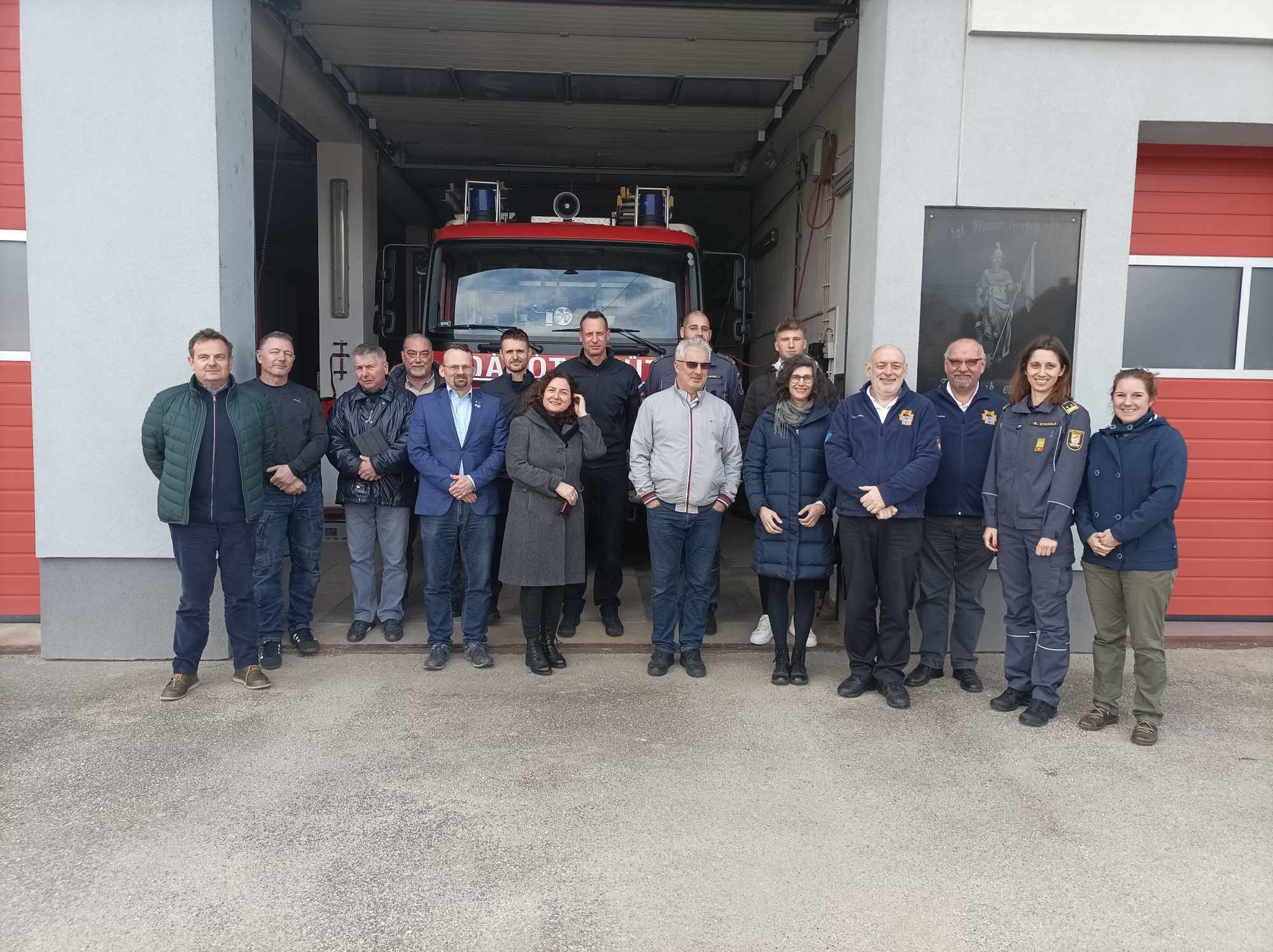
The project RISKHUB II. – Reducing risks by developing interoperability between Slovenia and Hungary for improved disaster preparedness – II. aims to strengthen disaster preparedness and response capacity to climate change-related risks in Hungarian-Slovenian border settlements. The project partners aim to achieve this goal by improving cooperation between voluntary firefighting associations and a harmonised preparedness programme.
Climate change, the intensity and frequency of weather extremes, and their indirect effects and consequences are some of the most serious global and regional challenges of our time. The extreme droughts, drying trends, groundwater depletion, floods and flash floods of the last decade have drawn attention to the need for adaptation responses at different territorial scales. It is particularly true of the impacts of climate change, similar to territorial processes, that they do not stop at national borders.
The RISKHUB II project enables the sharing of best practices, the exchange of experiences and knowledge, and the development and implementation of joint strategies for more effective risk management. The cooperation serves the security of people living on both sides of the Slovenian-Hungarian border and supports the sustainable development of border regions.
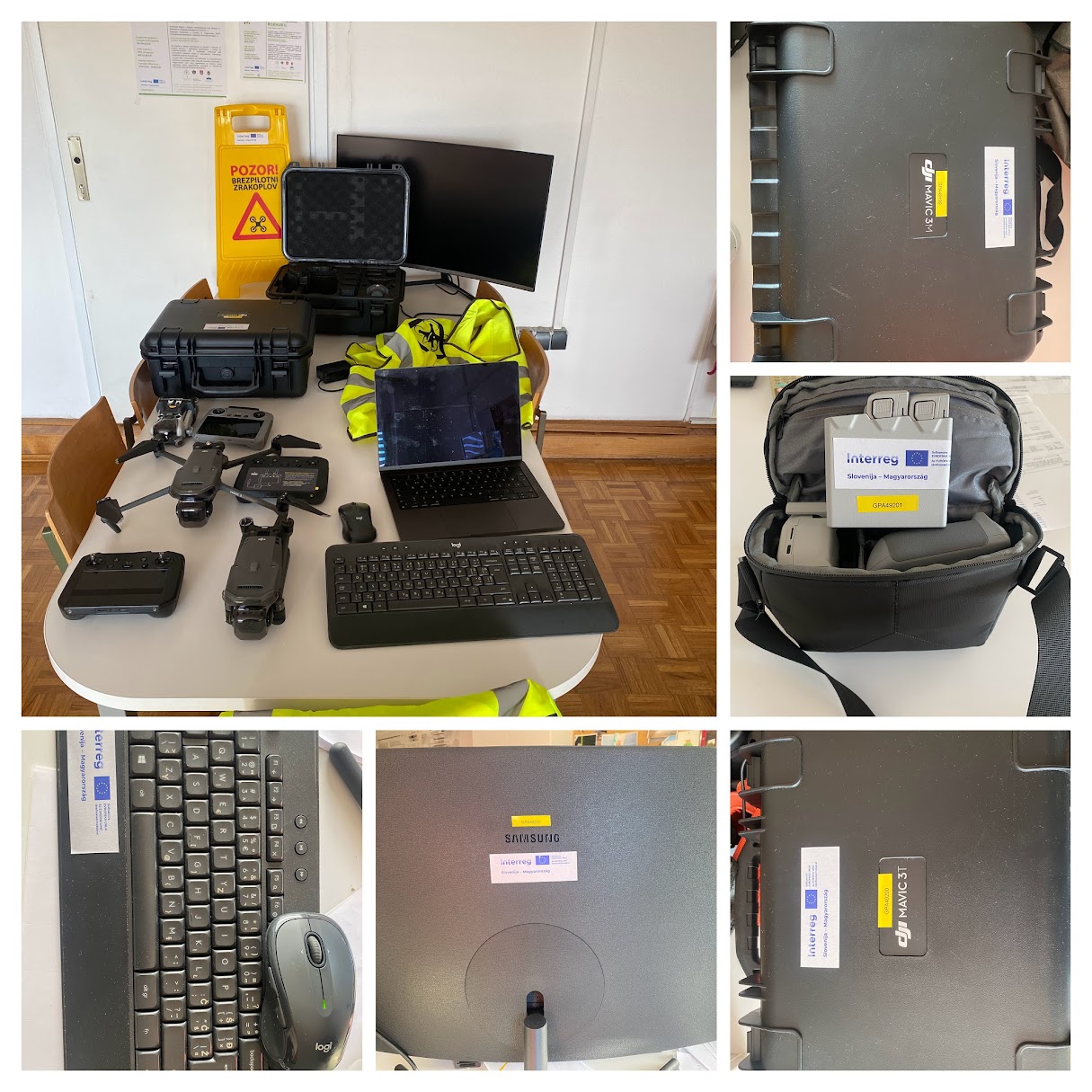
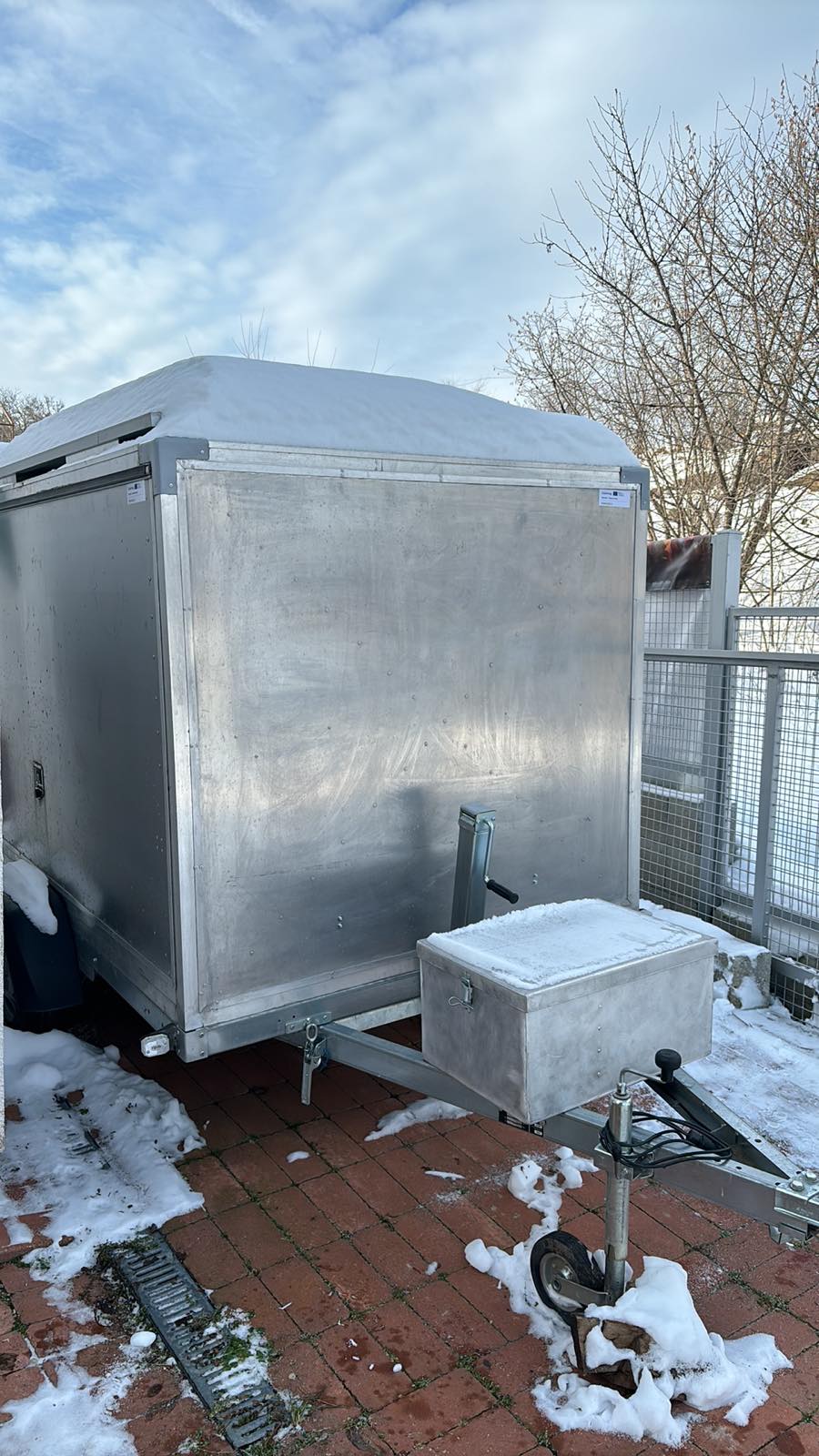
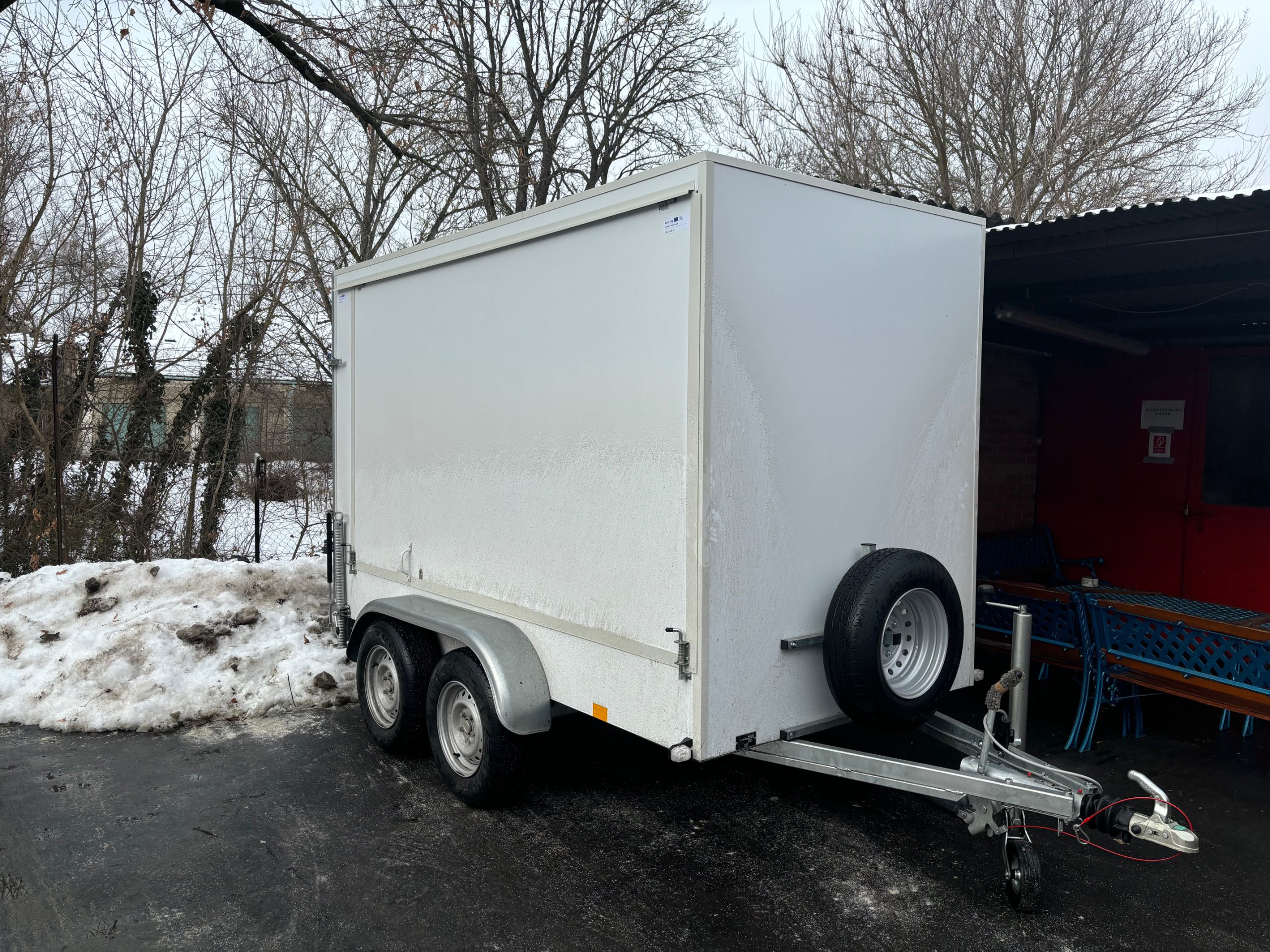
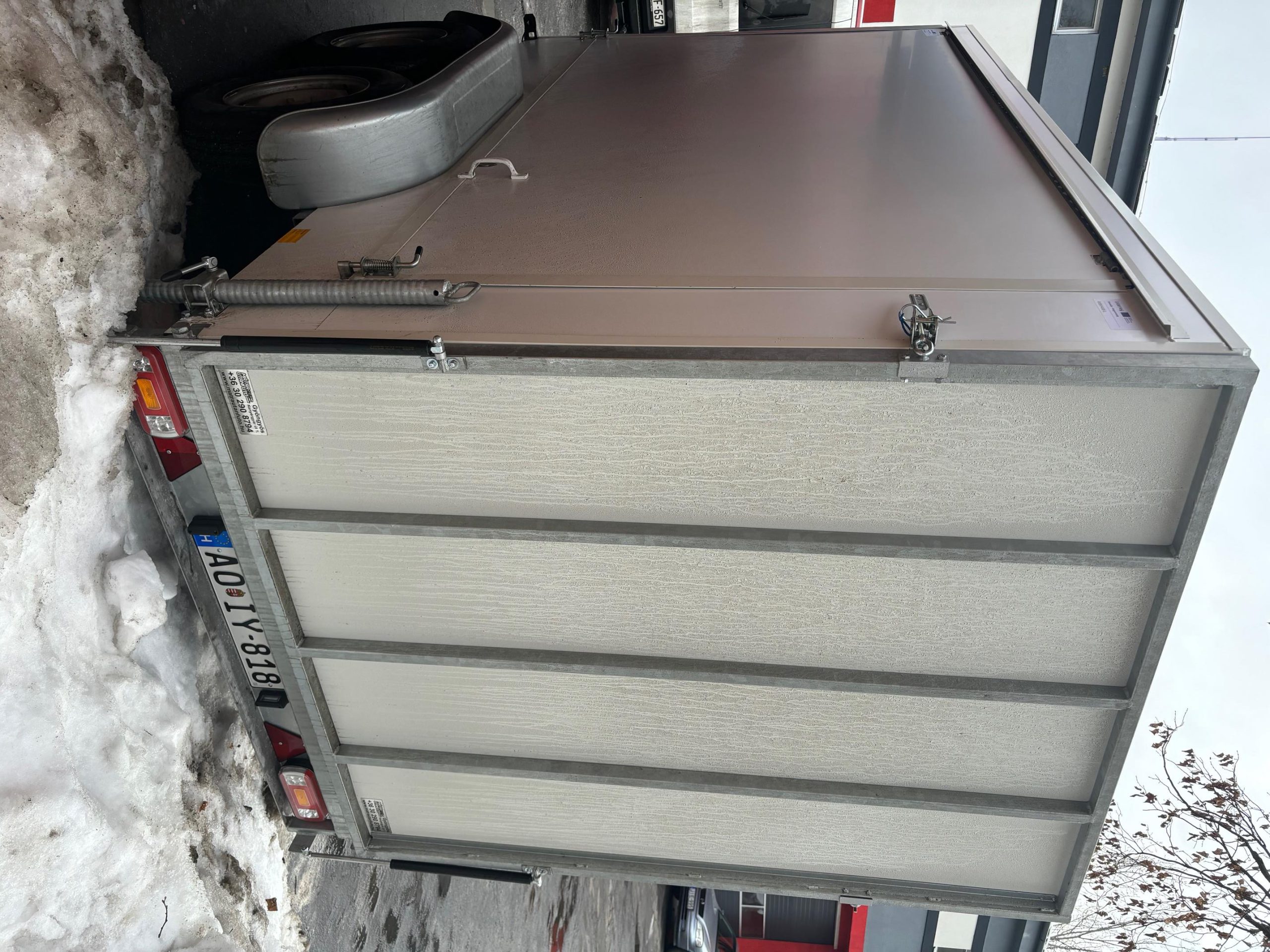
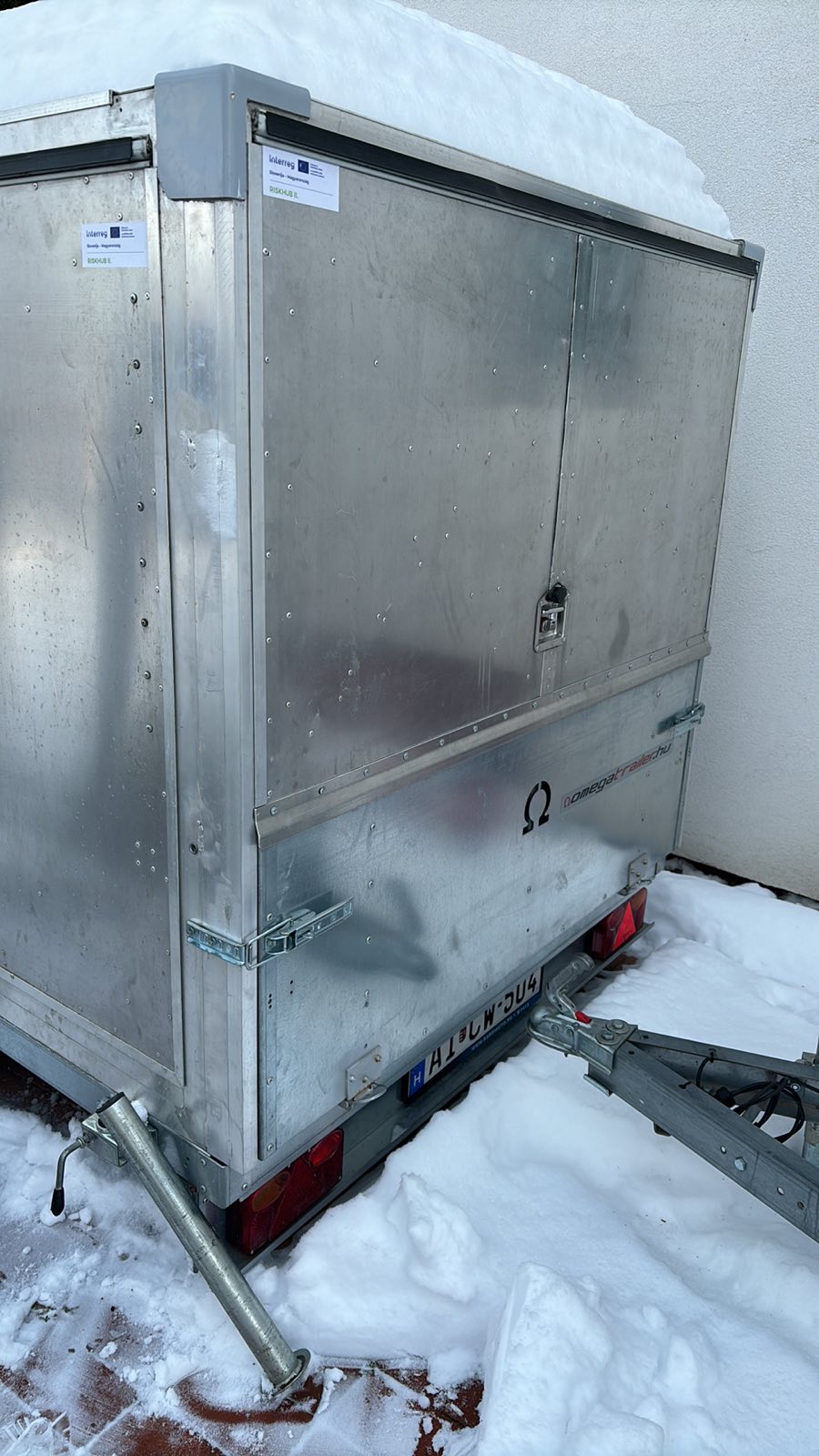
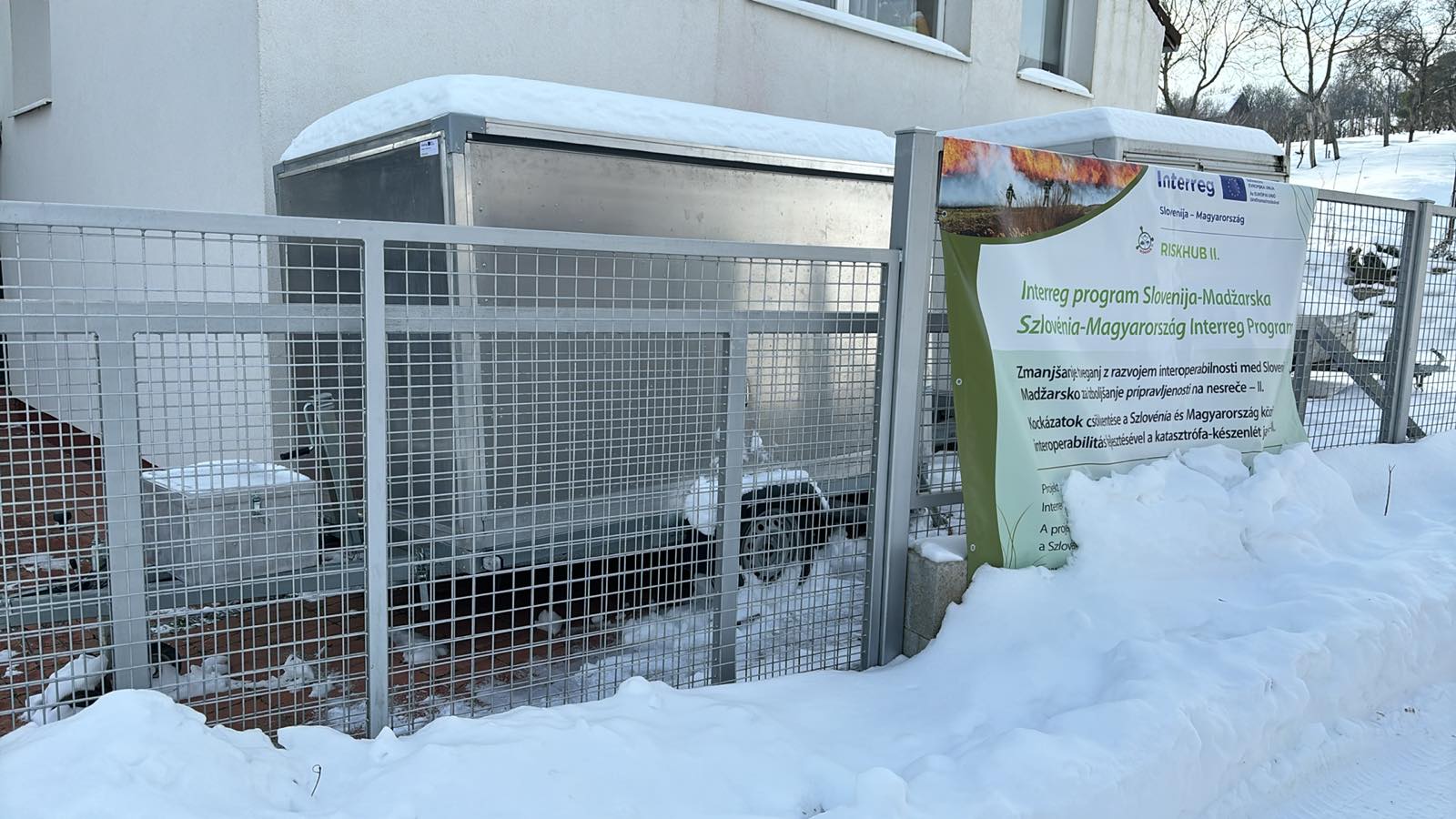
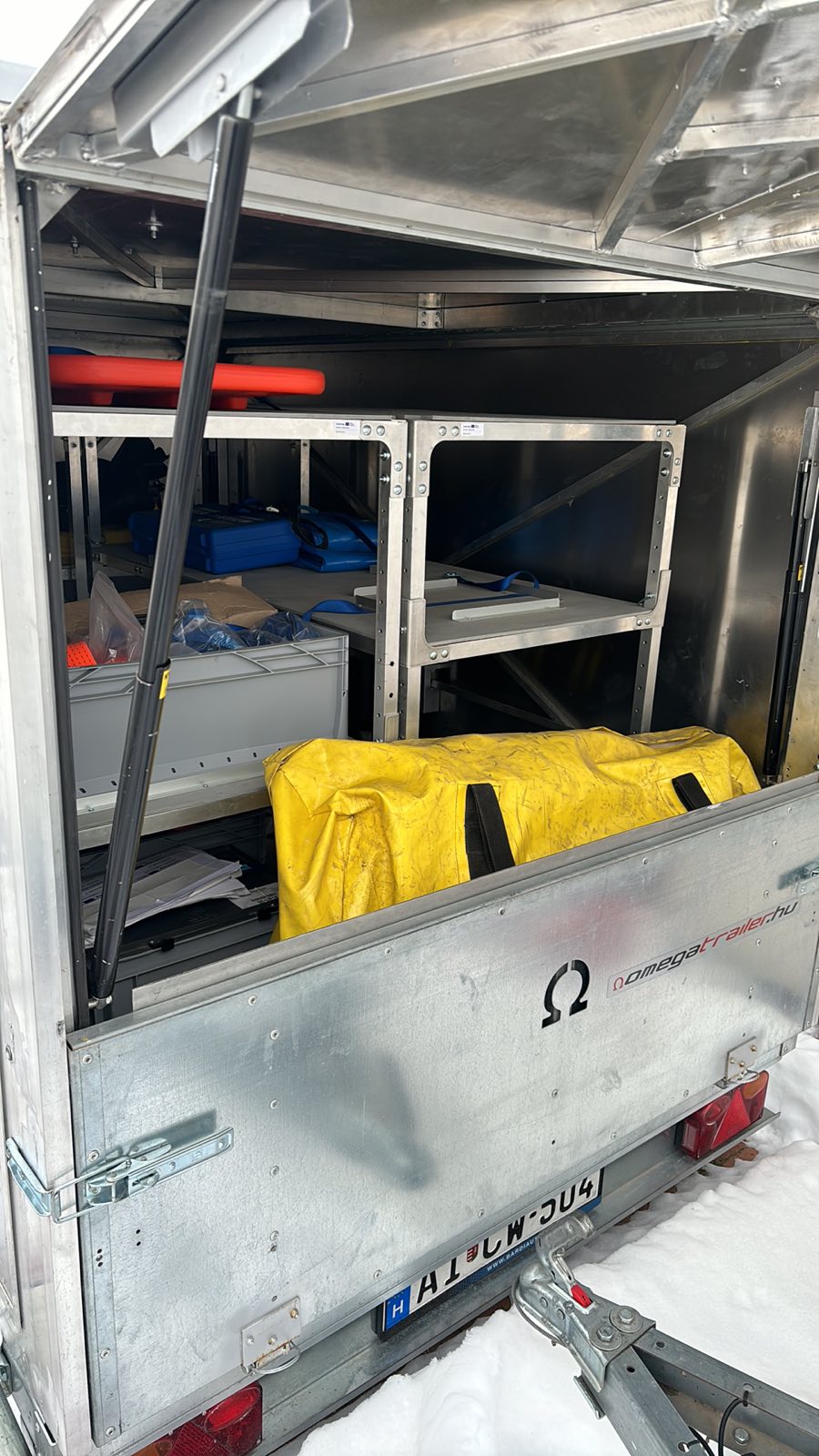
The project’s activities implemented so far include the development of innovative tools for disaster management. One such tool is the event management application (Volunteer Event Manager). The event management application for registered volunteers ensures fast and efficient communication between organizations providing assistance in emergency situations, thus helping to minimize damage. Another innovation of the project is the hybrid trailer, which is equipped with special disaster relief equipment and can be towed to the scene of assistance by a suitable vehicle. Another innovative tool tested during the project is the drone for use in disaster situations, which helps to search for and localize water pollution more efficiently and faster, thus reducing environmental damage in the event of a disaster.
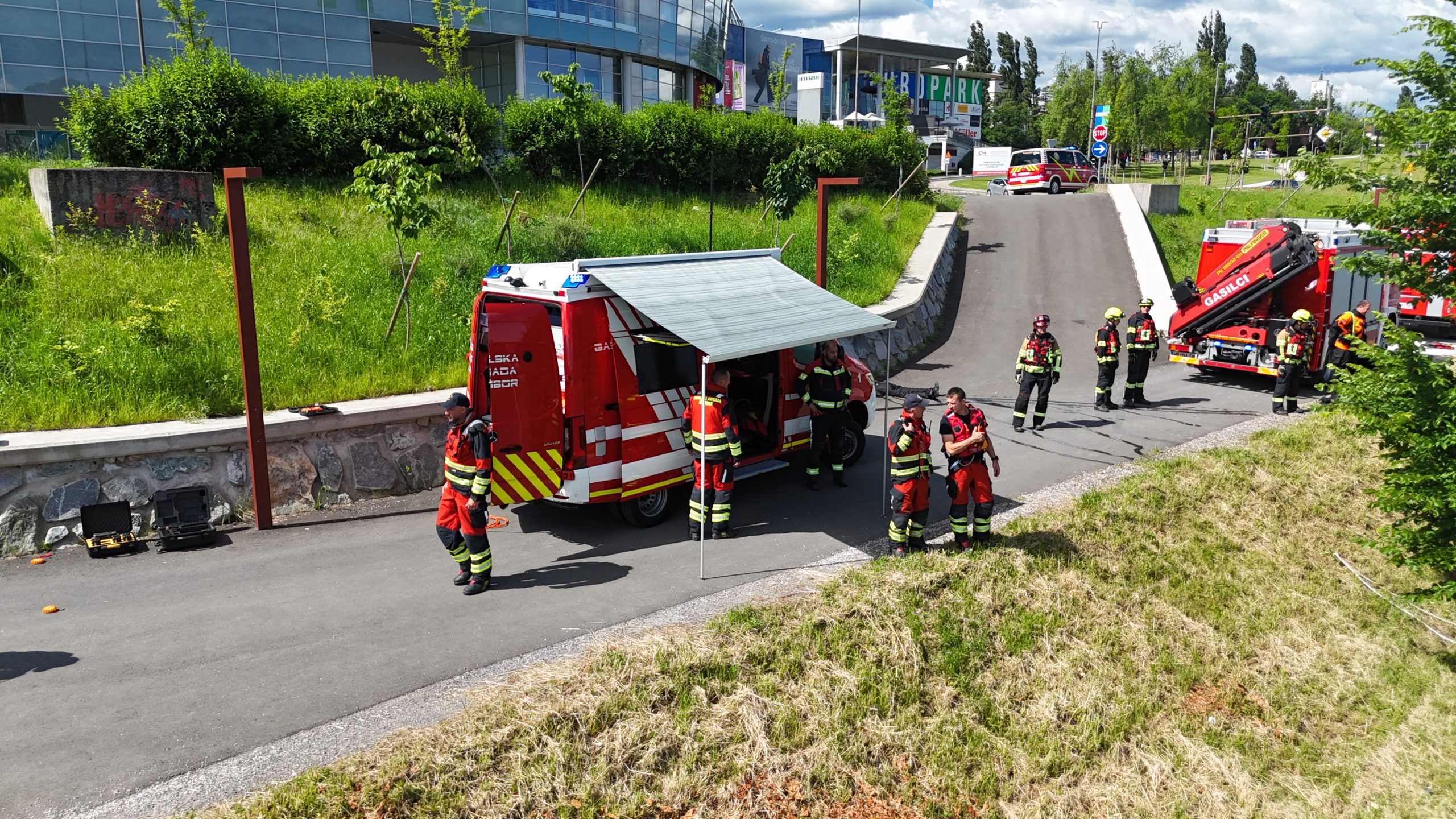
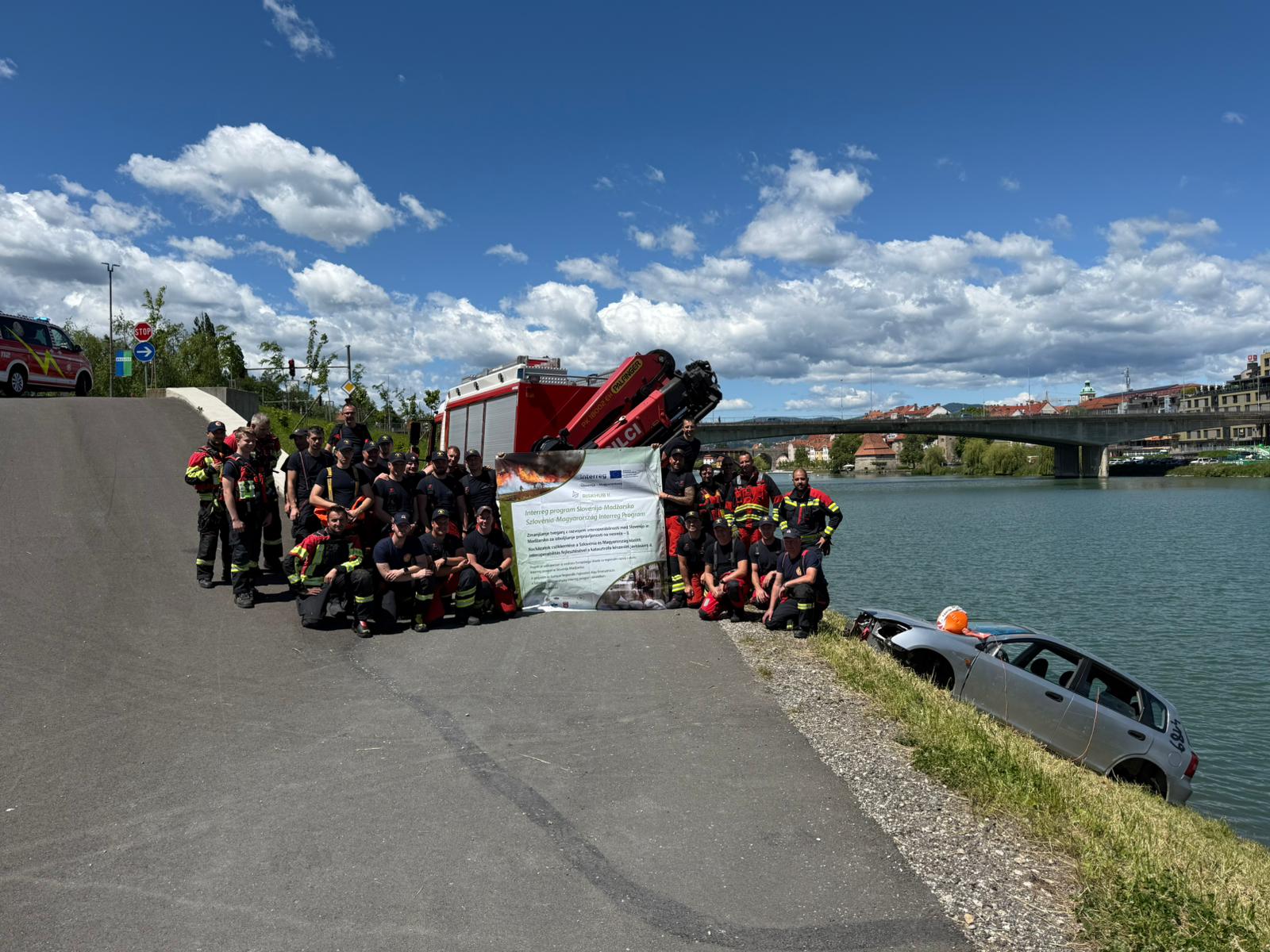
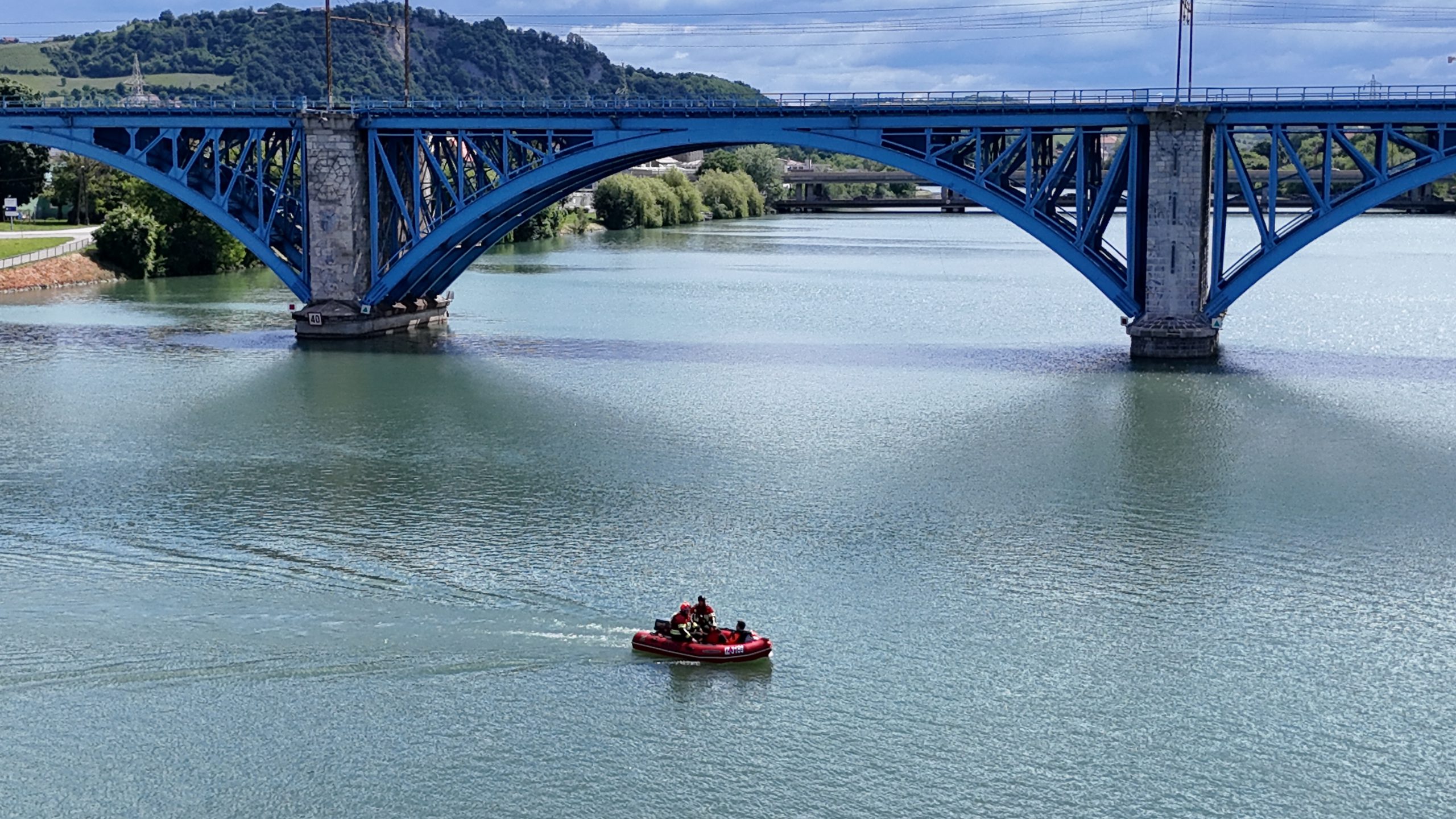
The project’s pilot, implemented on May 29, 2025, was an organized exercise to measure and eliminate water pollution, implemented in cooperation with the Maribor Fire Department and the Faculty of Civil Engineering, Transport Engineering and Architecture of the University of Maribor, with 40 participants, the experiences of which will be applicable in similar disaster situations.
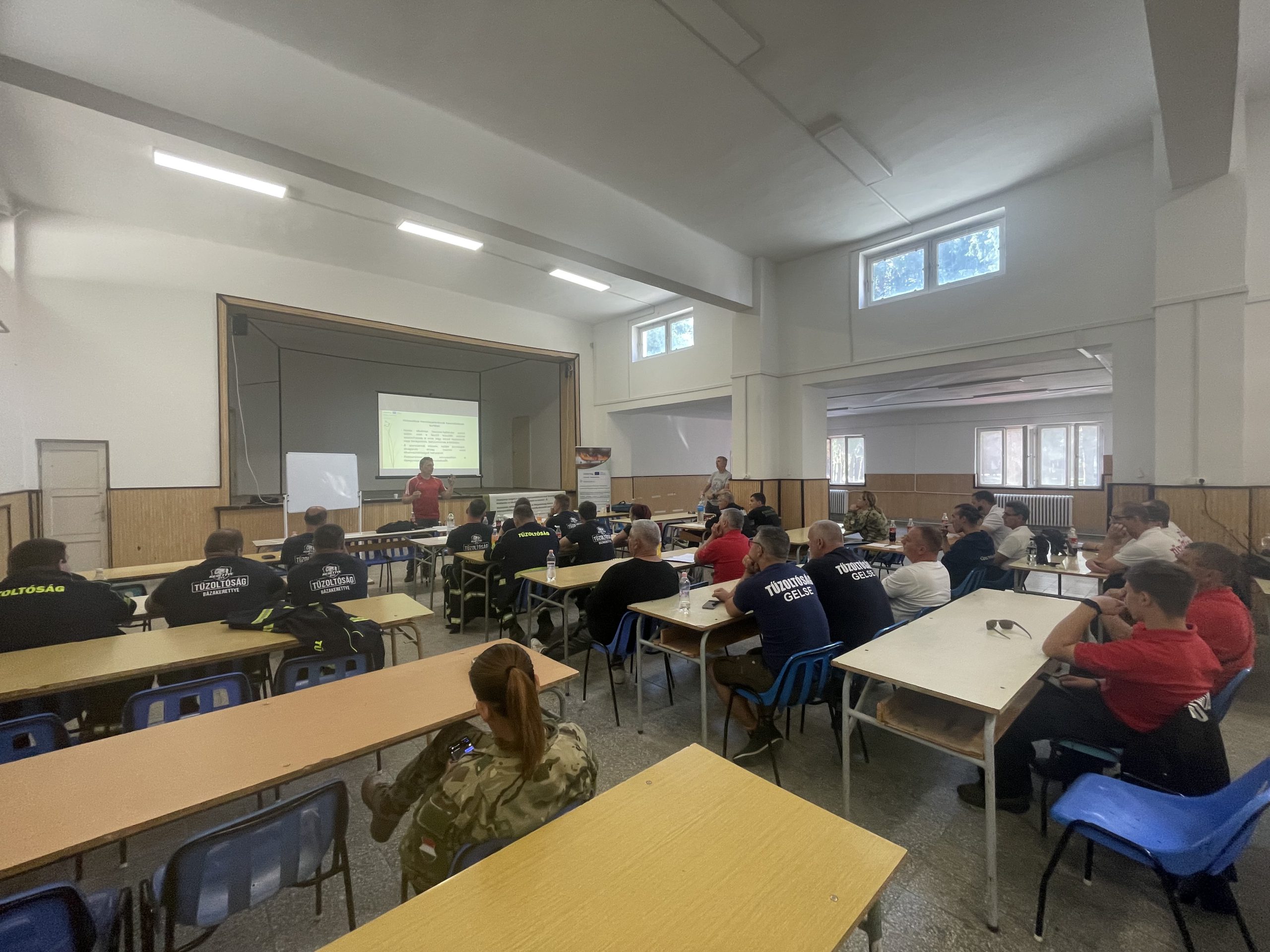
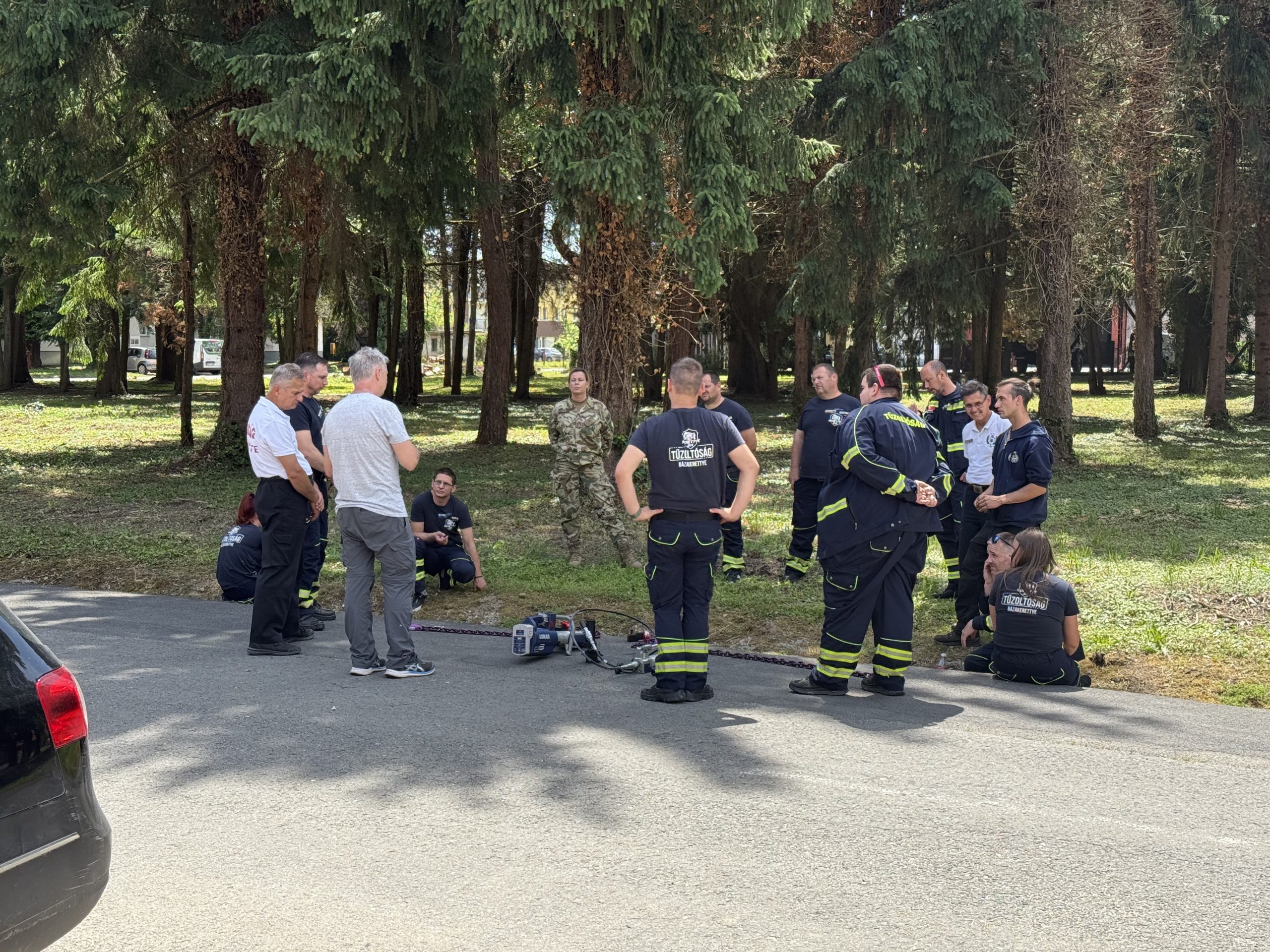
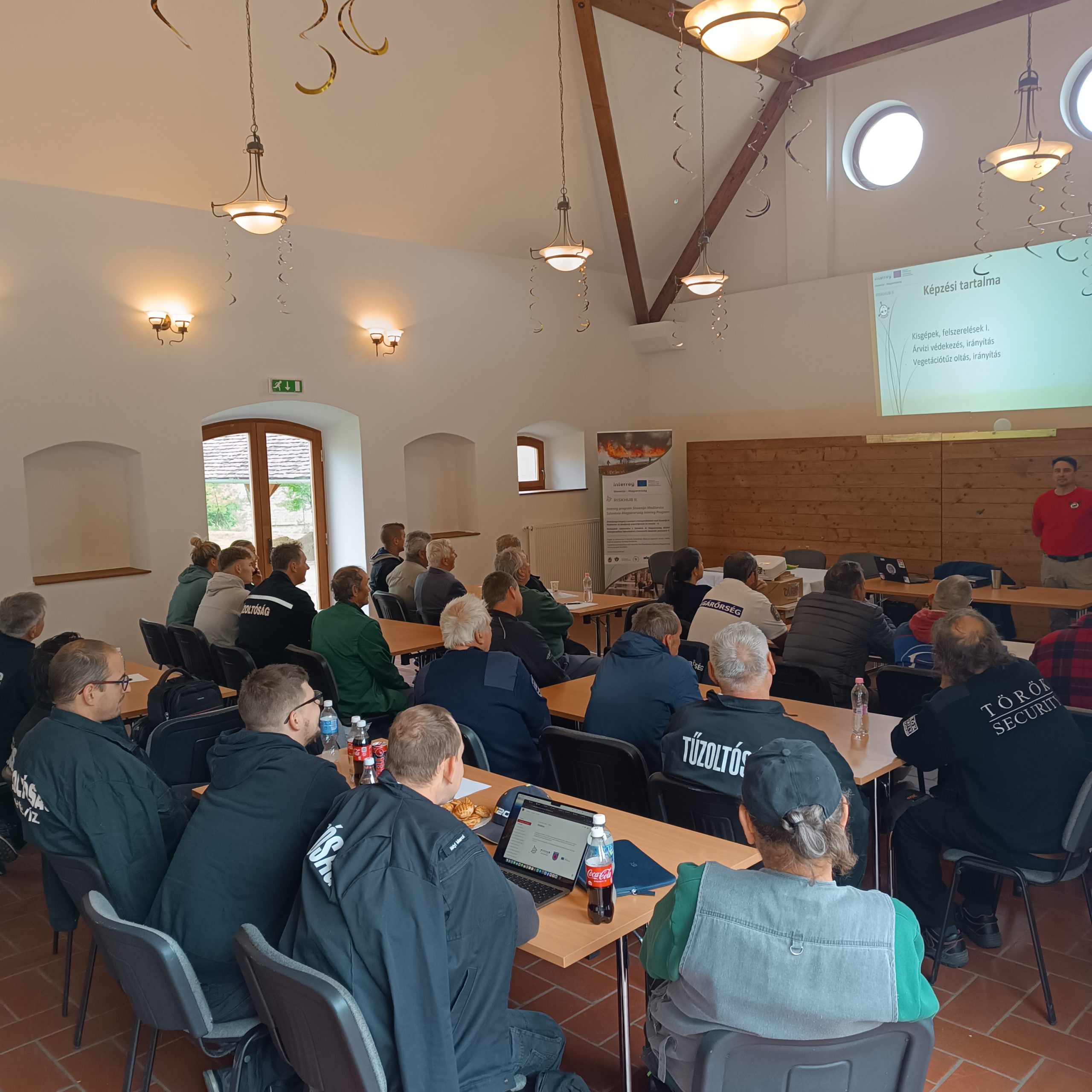
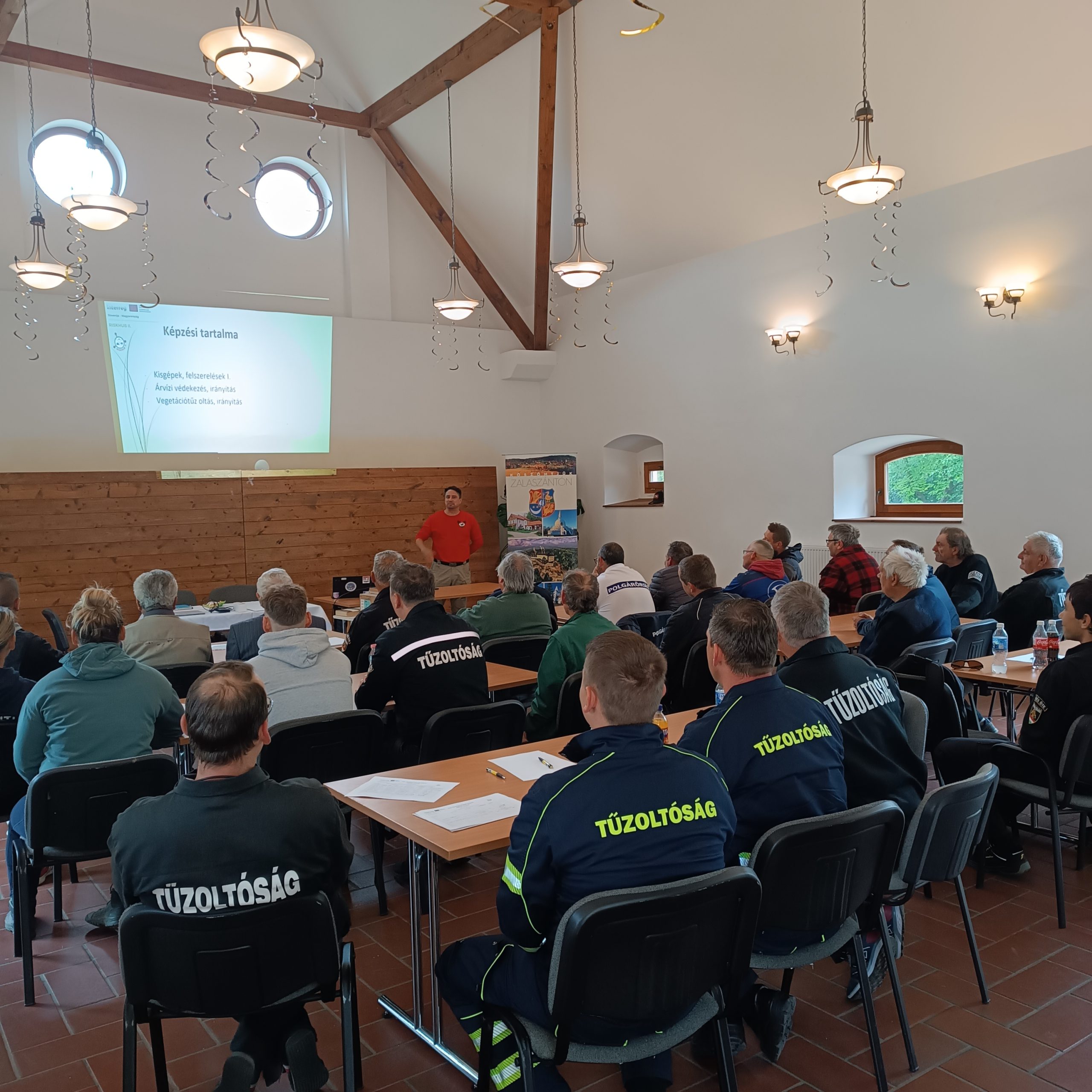
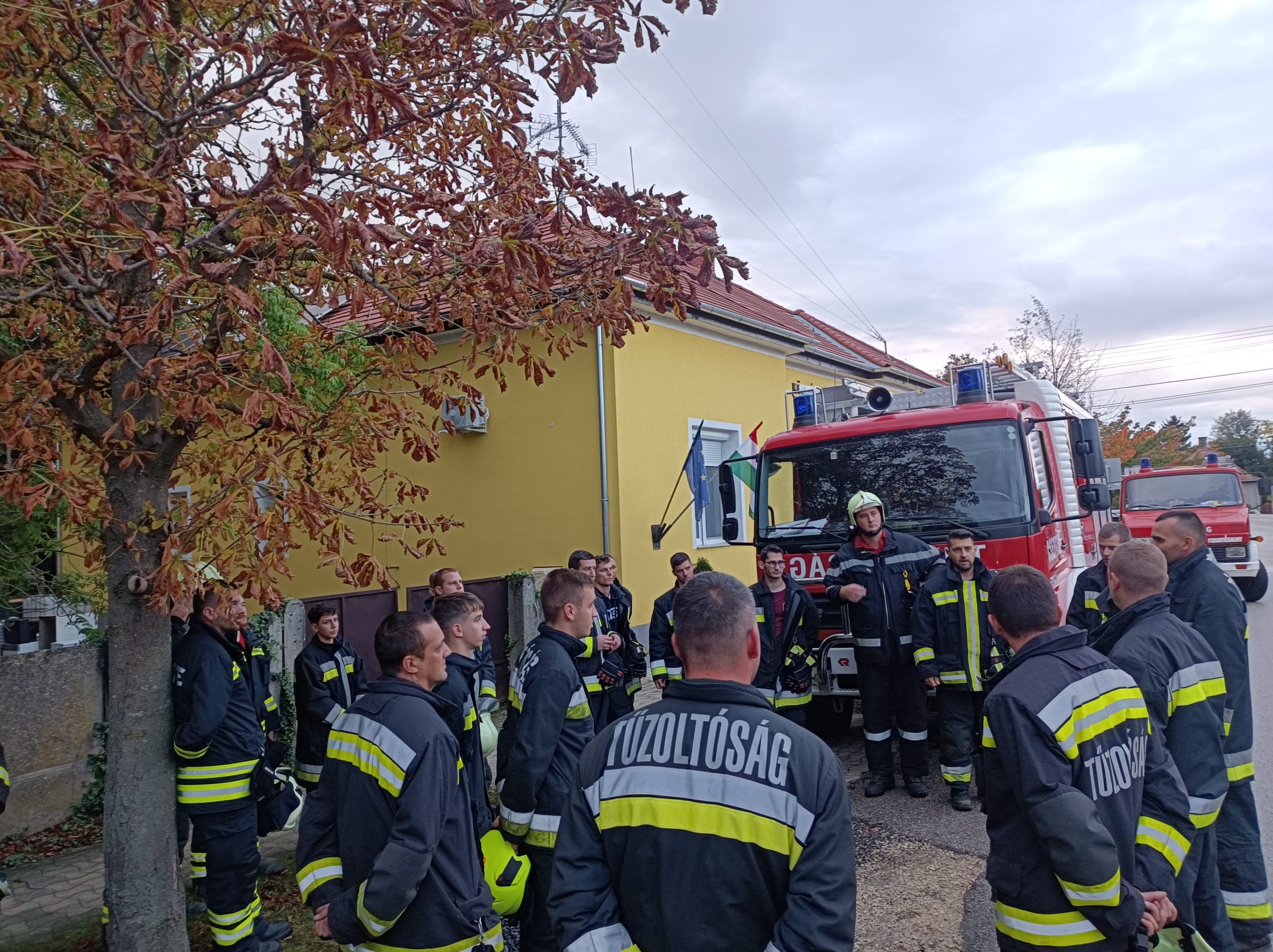
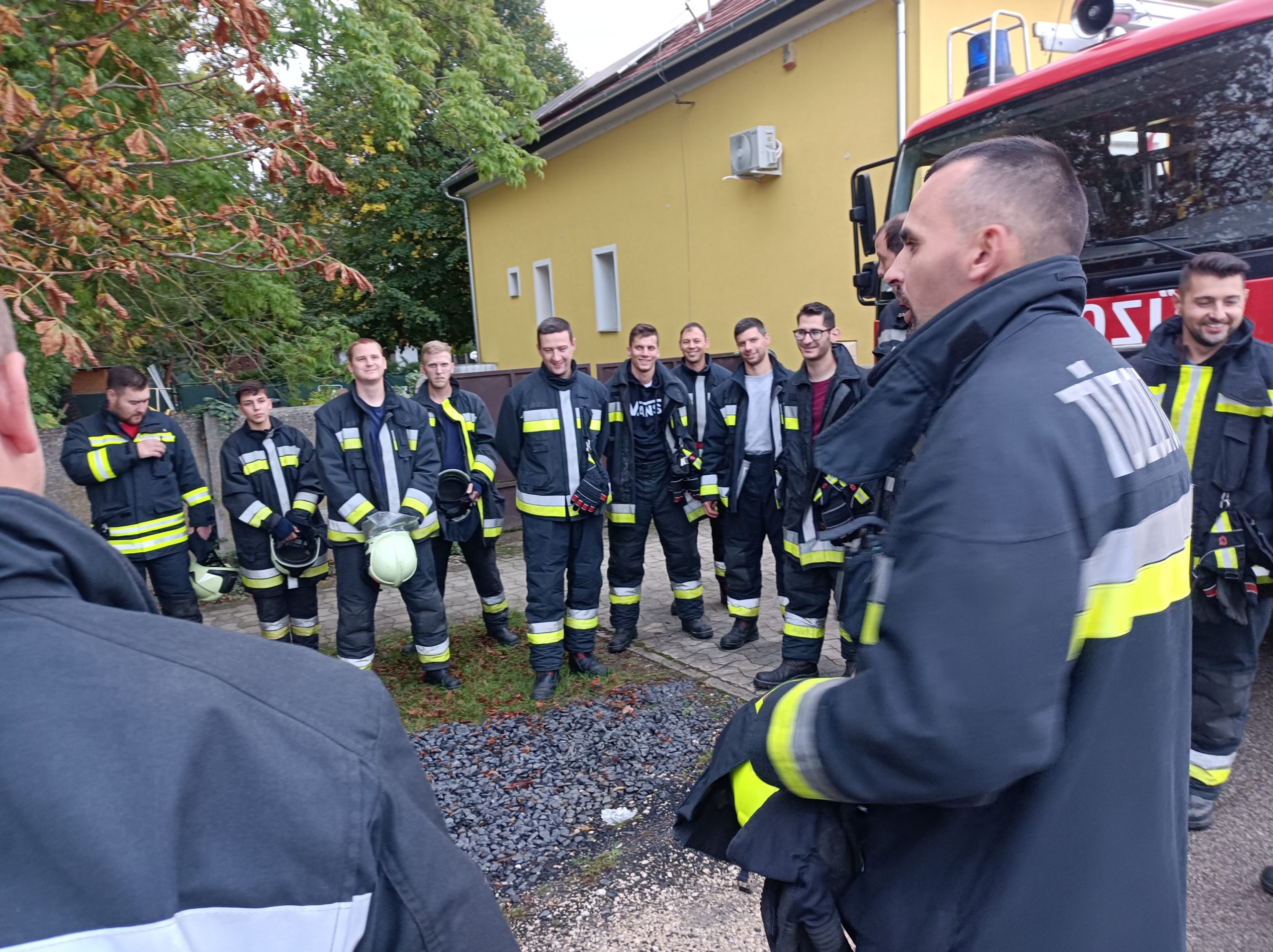
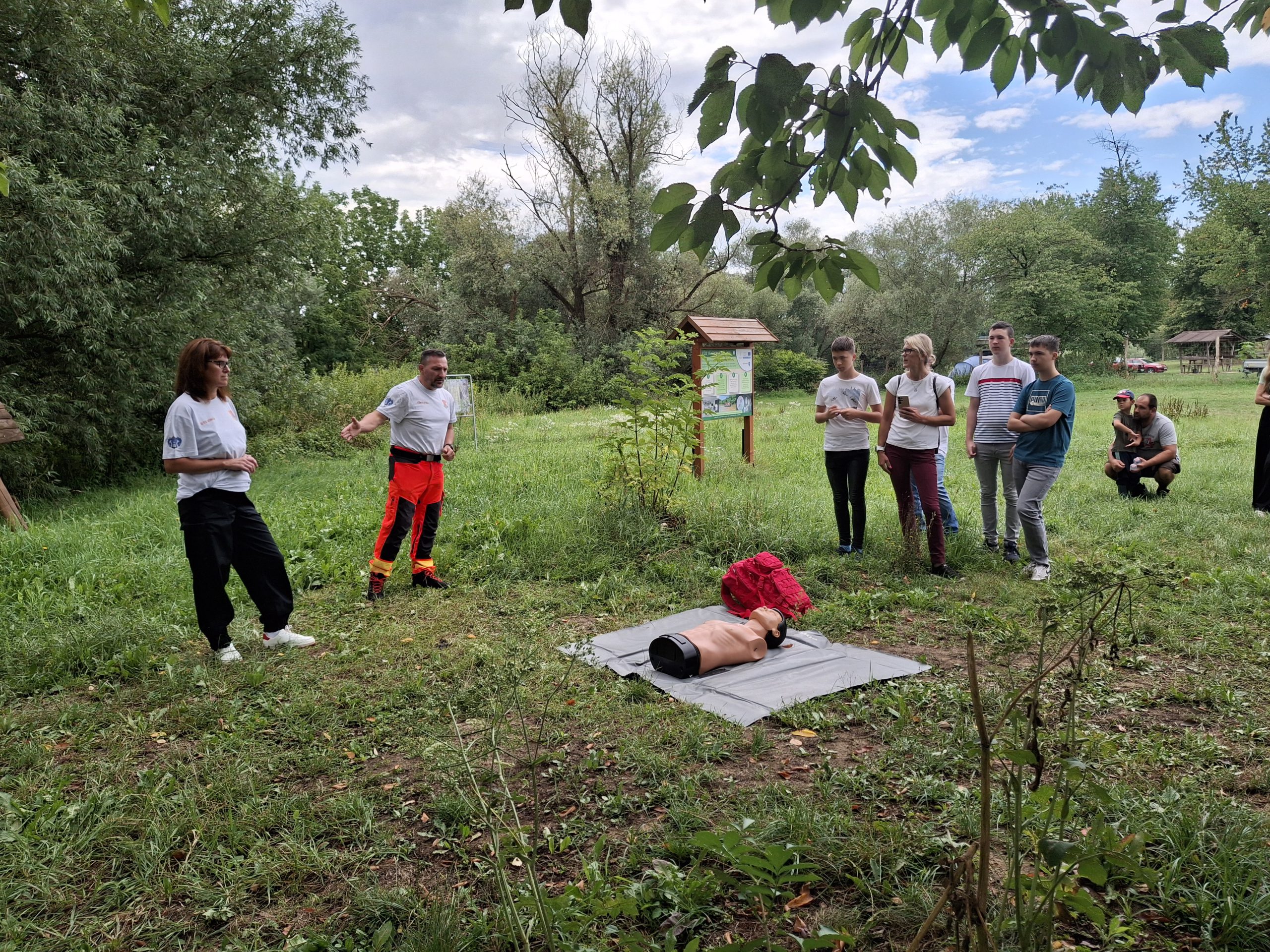
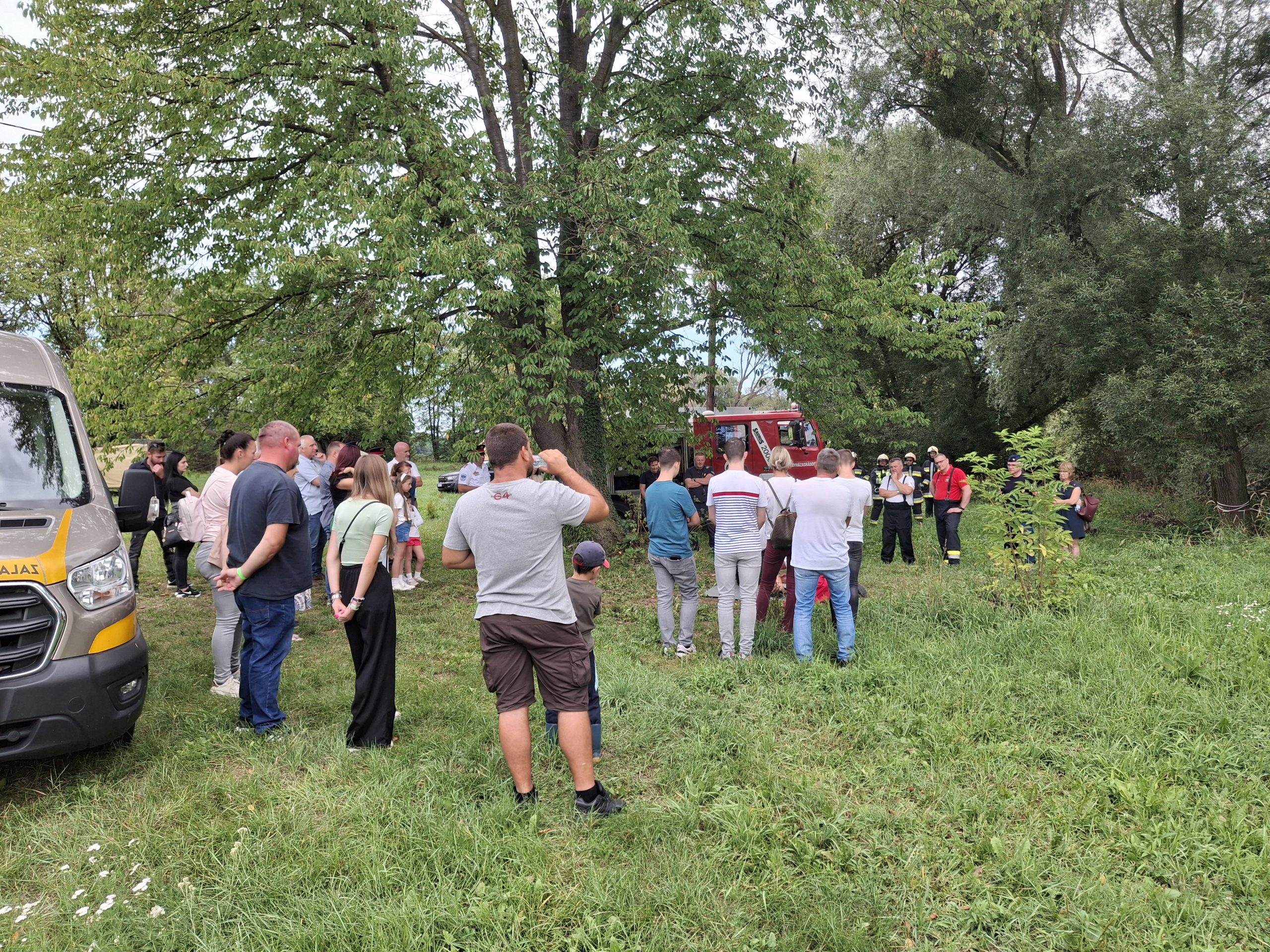
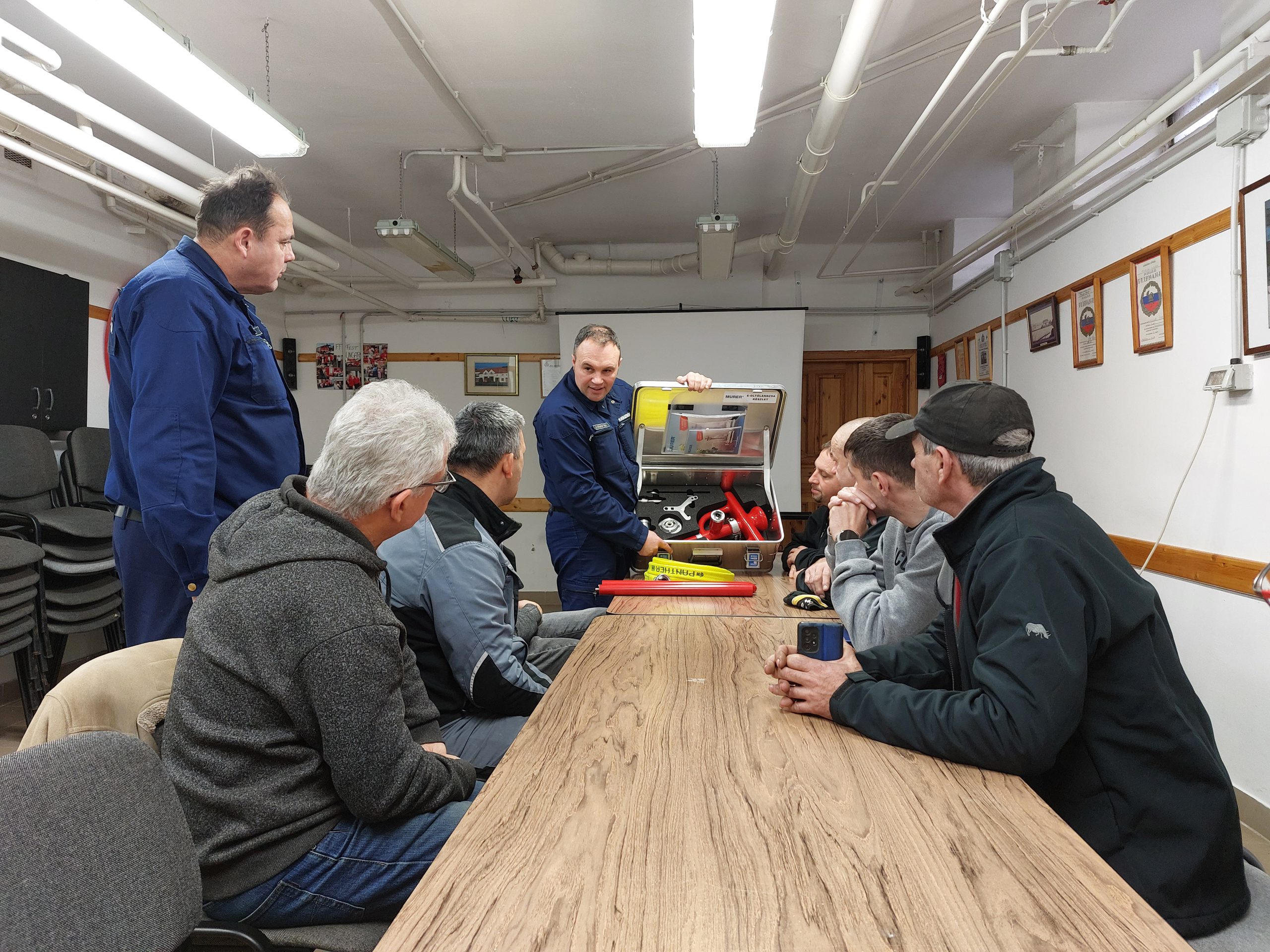
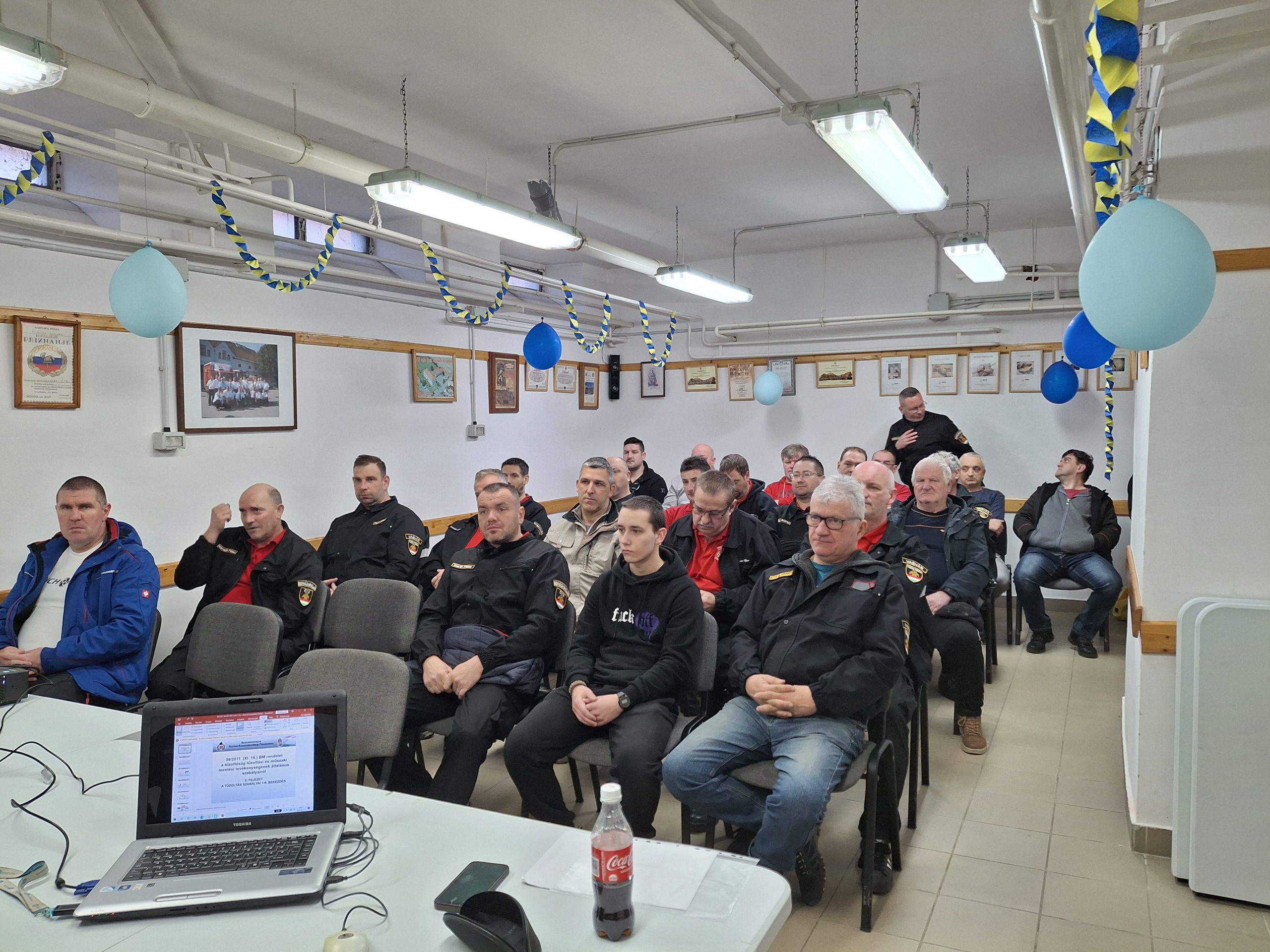
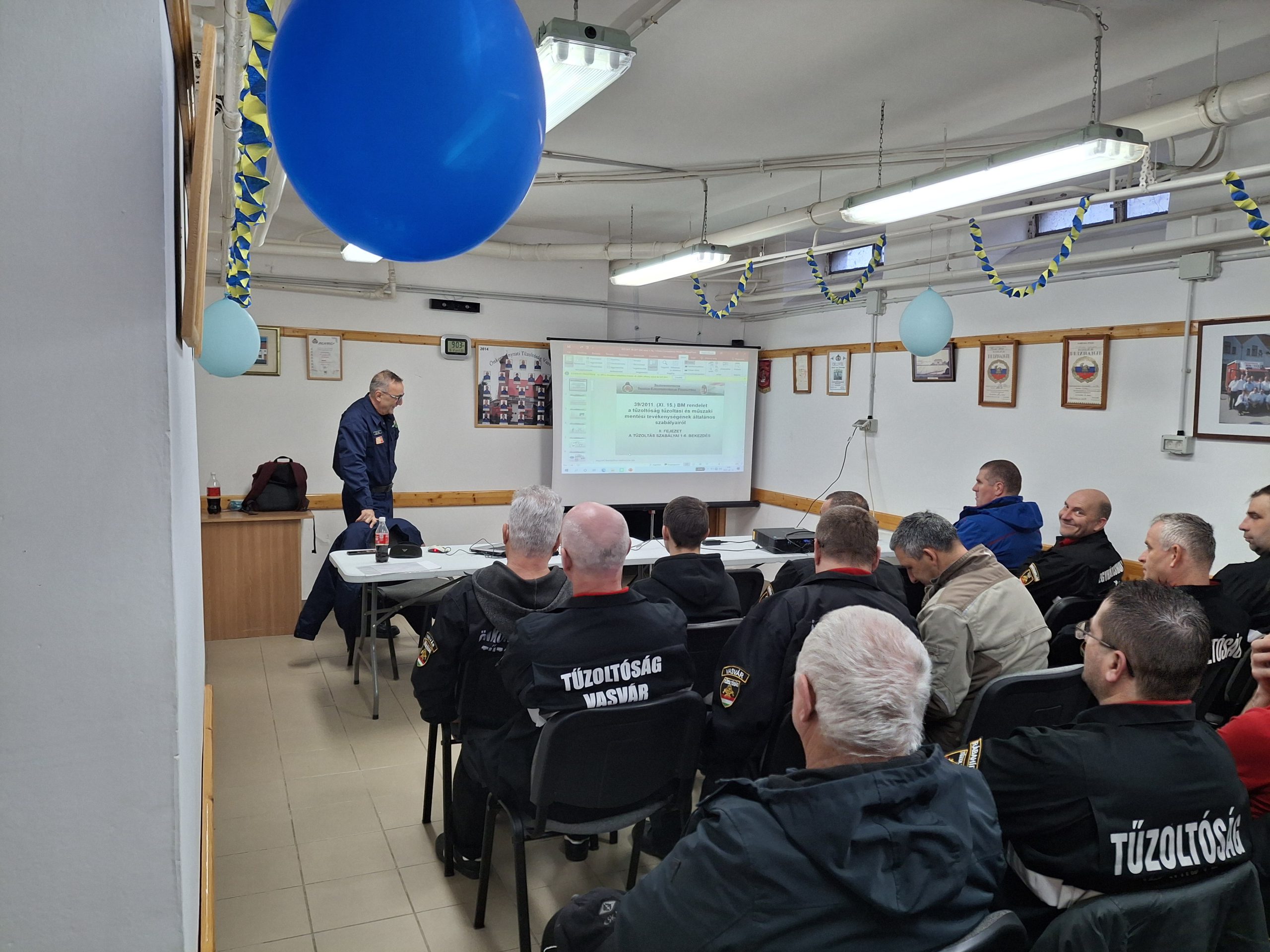
To share the aforementioned innovations and good practices in disaster management, the project partners developed e-learning materials for volunteer firefighters participating in the training, which were completed by a total of 397 people in Hungarian and 62 participants in Slovenian lanuage. Their practical training was based on the e-learning materials, which were implemented at two levels: training of trainers and local training. The first round of training of trainers was implemented last year. Leading experts trained with the new knowledge passed on the knowledge to local volunteer firefighters. The trainings provide practical knowledge such as learning about the use of battery-powered hydraulic and pneumatic rescue equipment, its uses, safety risks and their prevention, and transfer of practical experience. Furthermore, learning about the basics of first aid at the scene of a disaster, and providing care for the injured based on injuries and patient assessment. Training of trainers was carried out in Becsehely in April 2025 with the participation of 40 people, in Csepreg with the participation of 36 people, in Zalaszántó in May with the participation of 45 people, and in Nagykanizsa in June with the participation of 51 people. Local training followed the training of trainers, the locations and dates of which were as follows: in Vas County, in Ivánc and Csákánydoroszló in August and September 2025 with the participation of 30-30 people, in Vasvár in October and December with the participation of 30-30 people, and in Csepreg in October and November with the participation of a total of 105 people, in which the trainers passed on the acquired knowledge. In Slovenia, local practice and training was carried out in Maribor in May 2025 with the participation of 40 people, and in Hoče in November 2025 with the presence of 26 people.
As a result of the training, the professional preparedness of the intervention staff increased, and the volunteer firefighting staff was able to learn about the practical application of the unified, sustainable training system developed within the project. The local trainings were organically integrated into the structure of the sustainable training program developed in the project, such as the management of vegetation fires, on-site medical care, and the safe use of small appliances and special equipment.
In the final phase of the project, a joint Slovenian-Hungarian field exercise will be implemented to test the new knowledge, synthesize the experiences and practices.
In the frame of the project a study will be produced exploring the possibilities for cooperation between Slovenian and Hungarian disaster management organizations. A recruitment and public information communication guide for volunteer firefighting organizations will be prepared, which can be used not only by the project participants, but also by all organizations that carry out similar activities. Finally, a strategic recommendation will be prepared as a synthesis of all the new knowledge and experience gained during the project implementation, which will be sent to the relevant decision-making organizations.
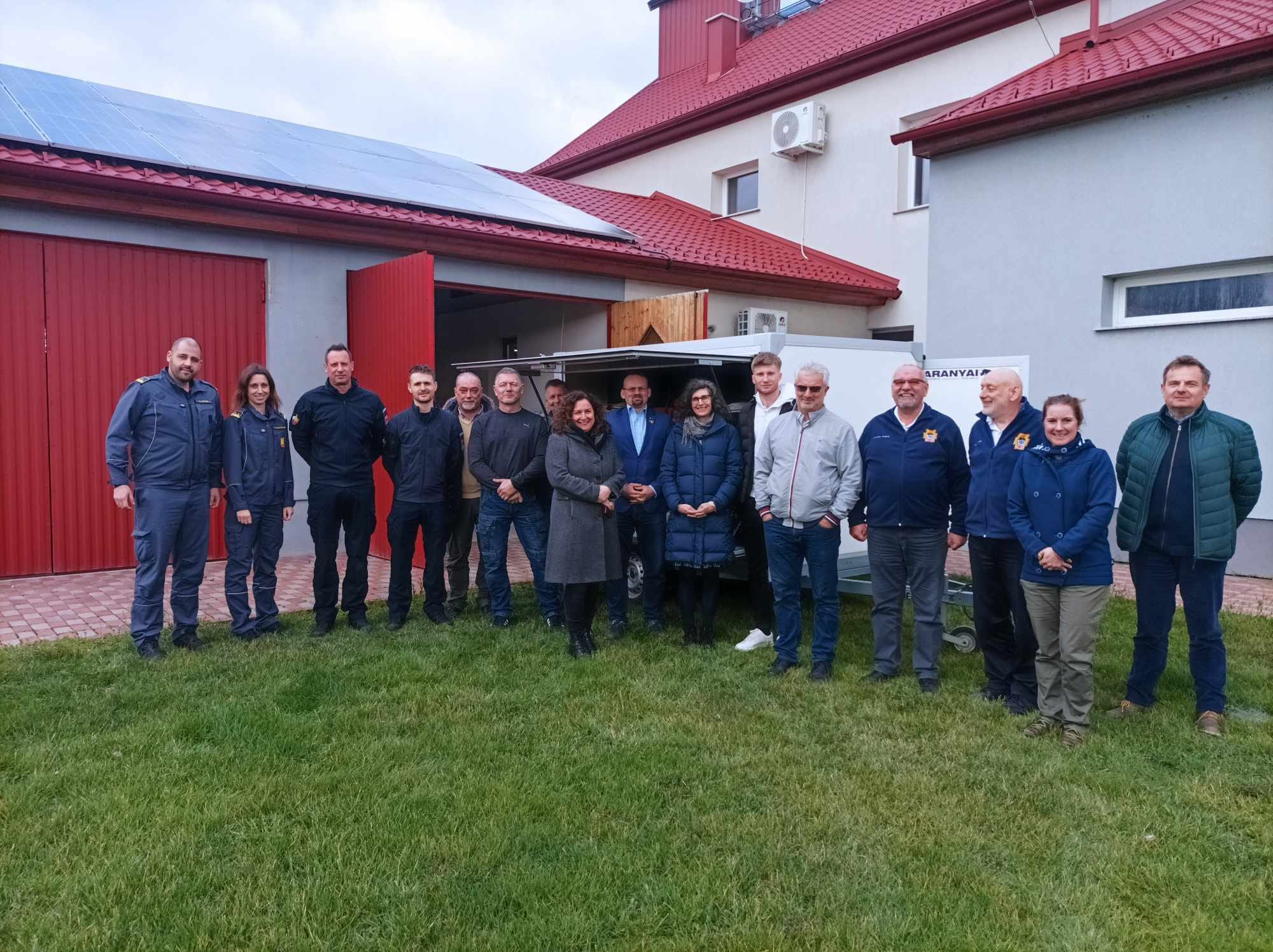
Photos by RISKHUB II.


Leave A Comment