



On Thursday, 7 May 2026, a professional study visit titled Climate and Cultural Aspects of Spatial Planning in the Municipality of Szombathely and the Őrség National Park took place in Hungary. The excursion was organised within the framework of the project Support for the Implementation of Spatial and Urban Policy and the URBACT programme, commissioned by the Ministry of Natural Resources and Spatial Planning and implemented by IPoP – Institute for Spatial Policies and the Association of Municipalities and Towns of Slovenia. The event was also held within the activities of the Climate Office, which provides support to municipalities and regions in adapting to climate change.
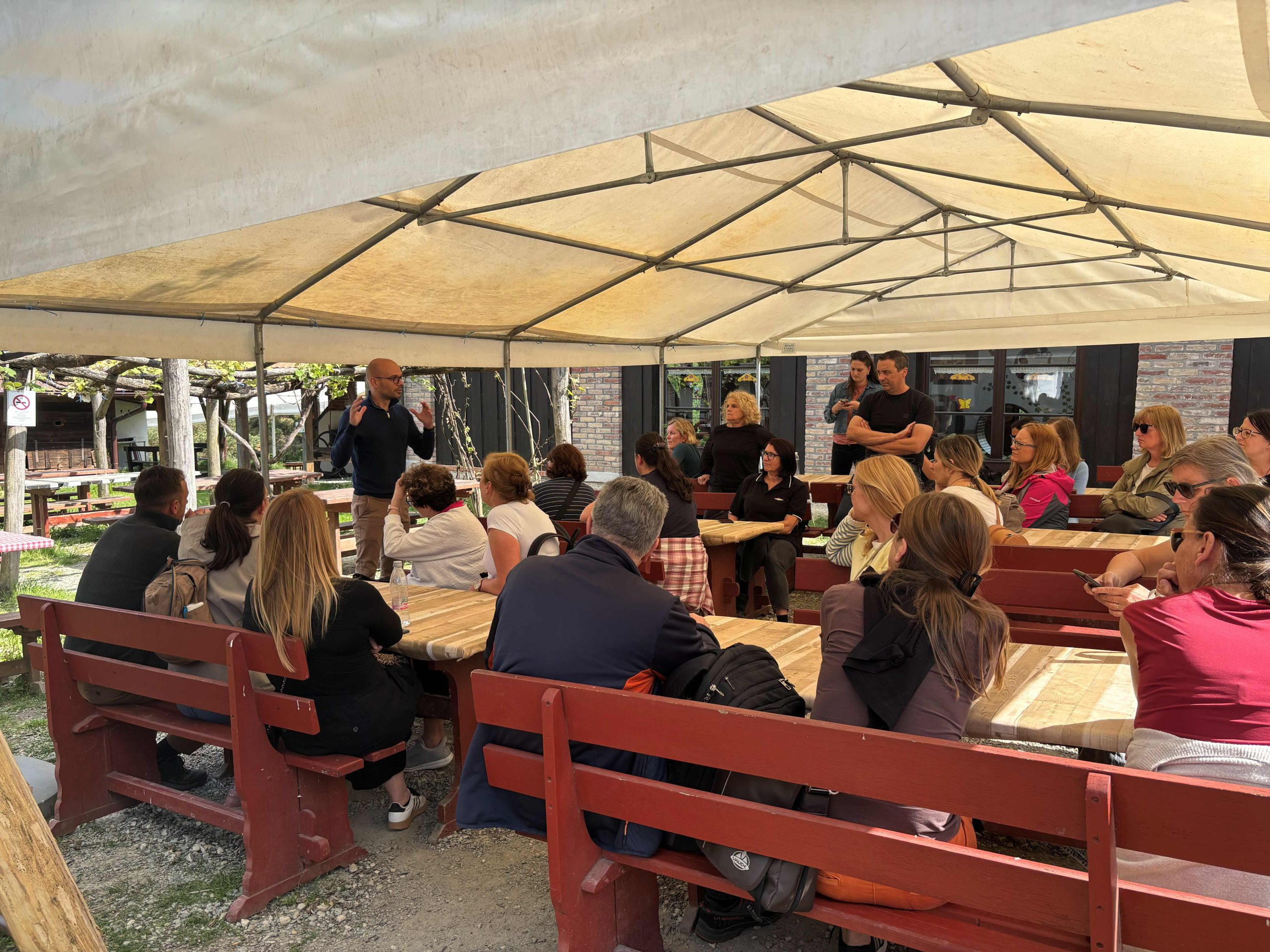
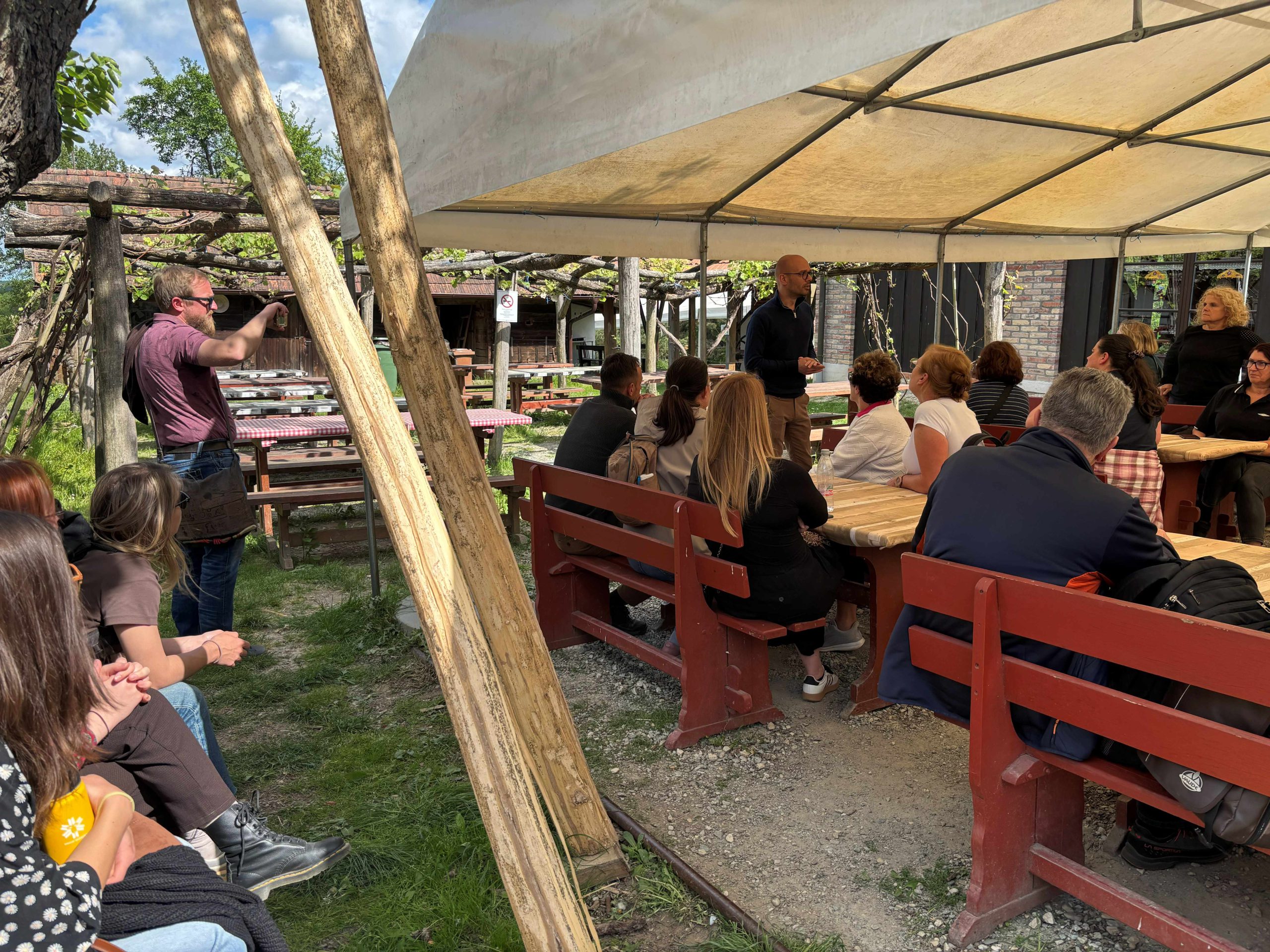
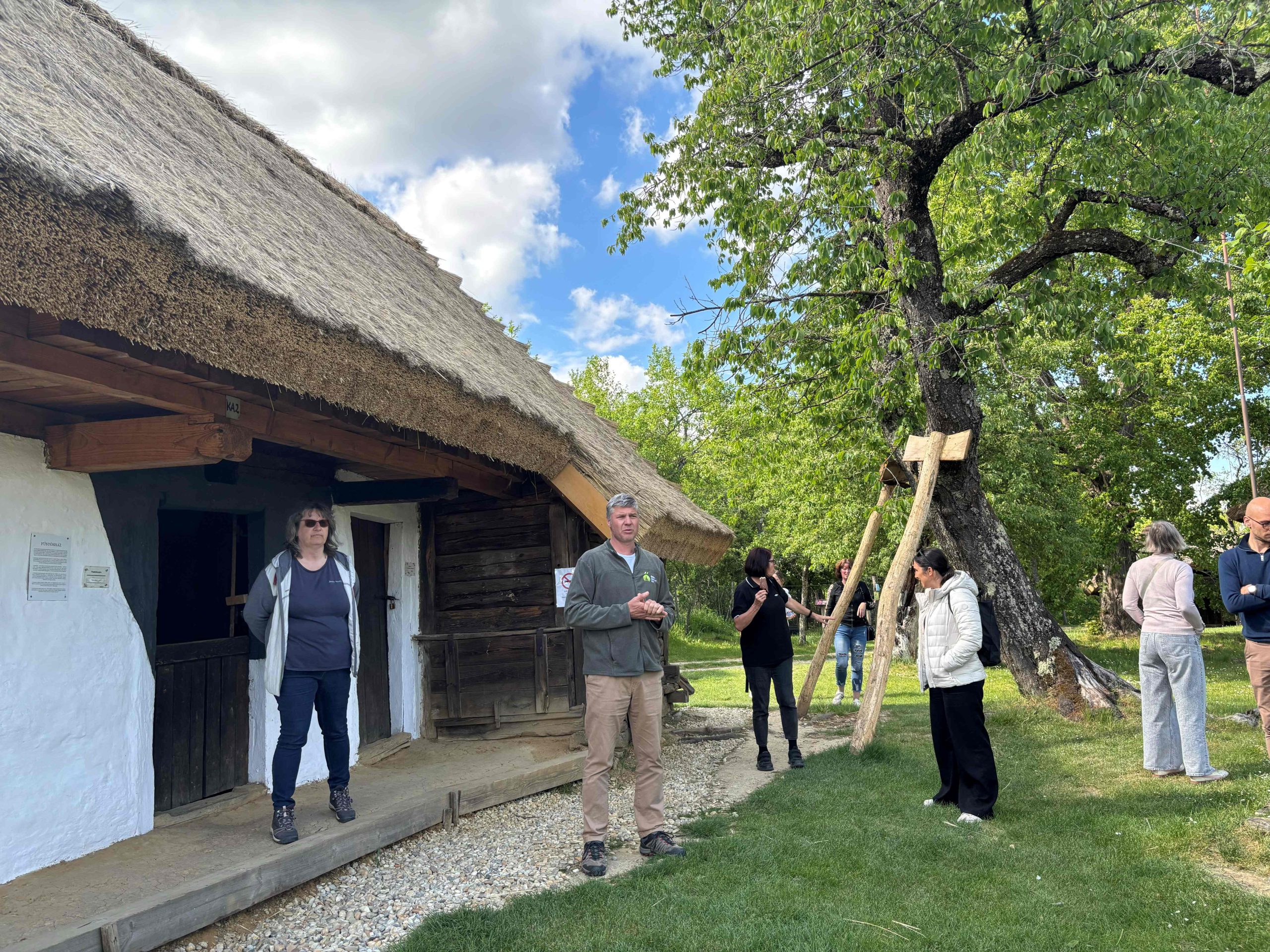
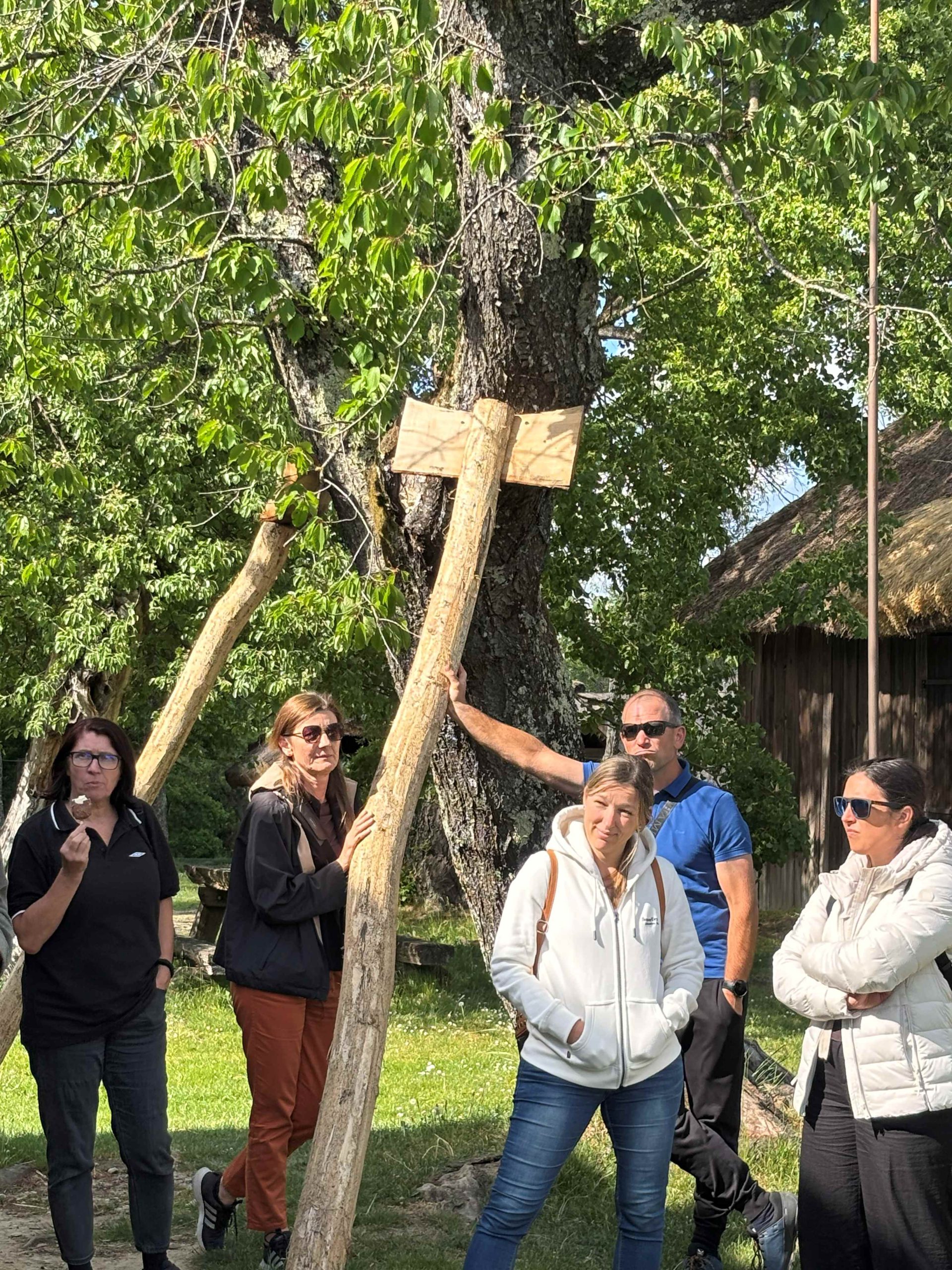
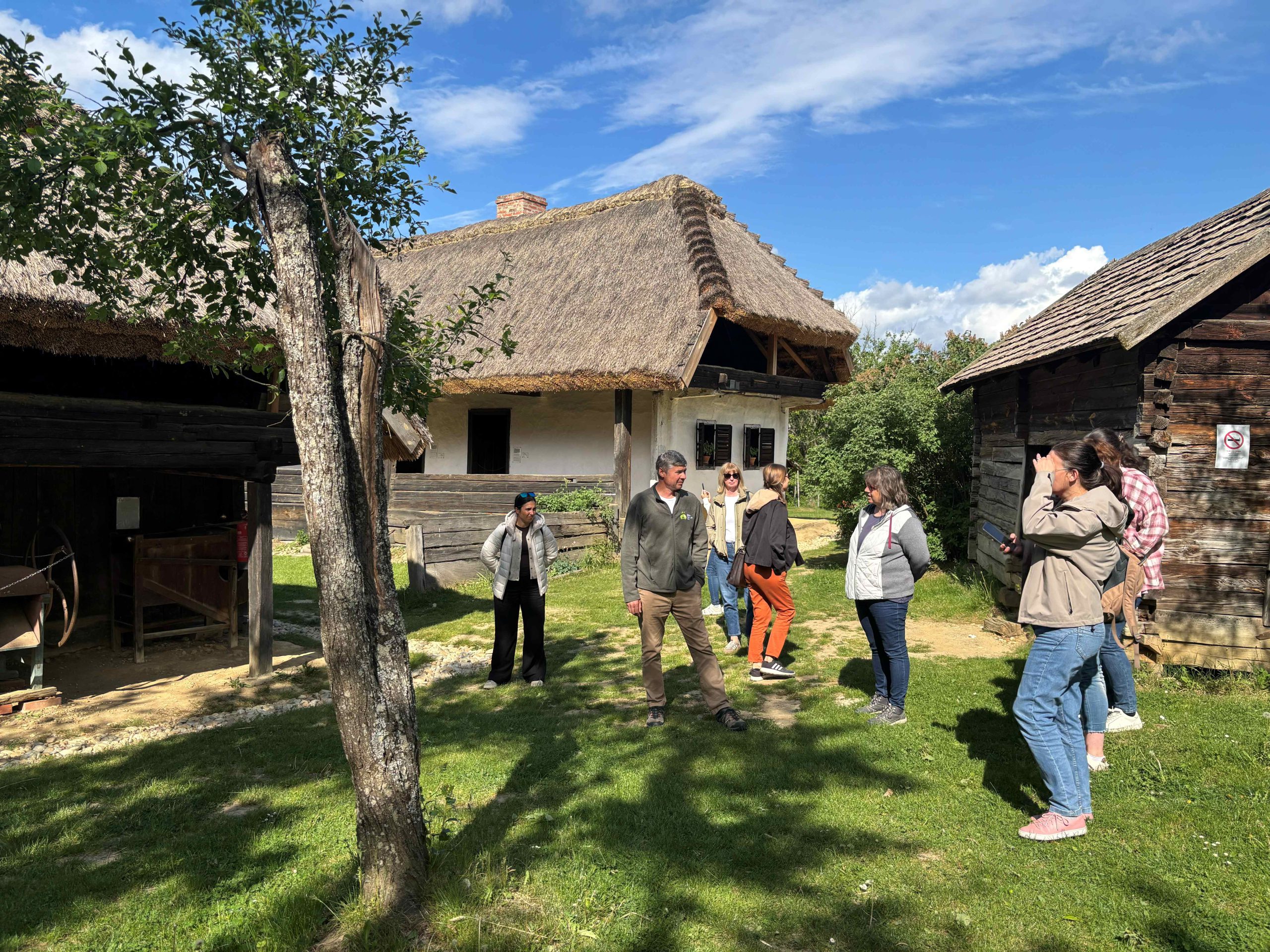
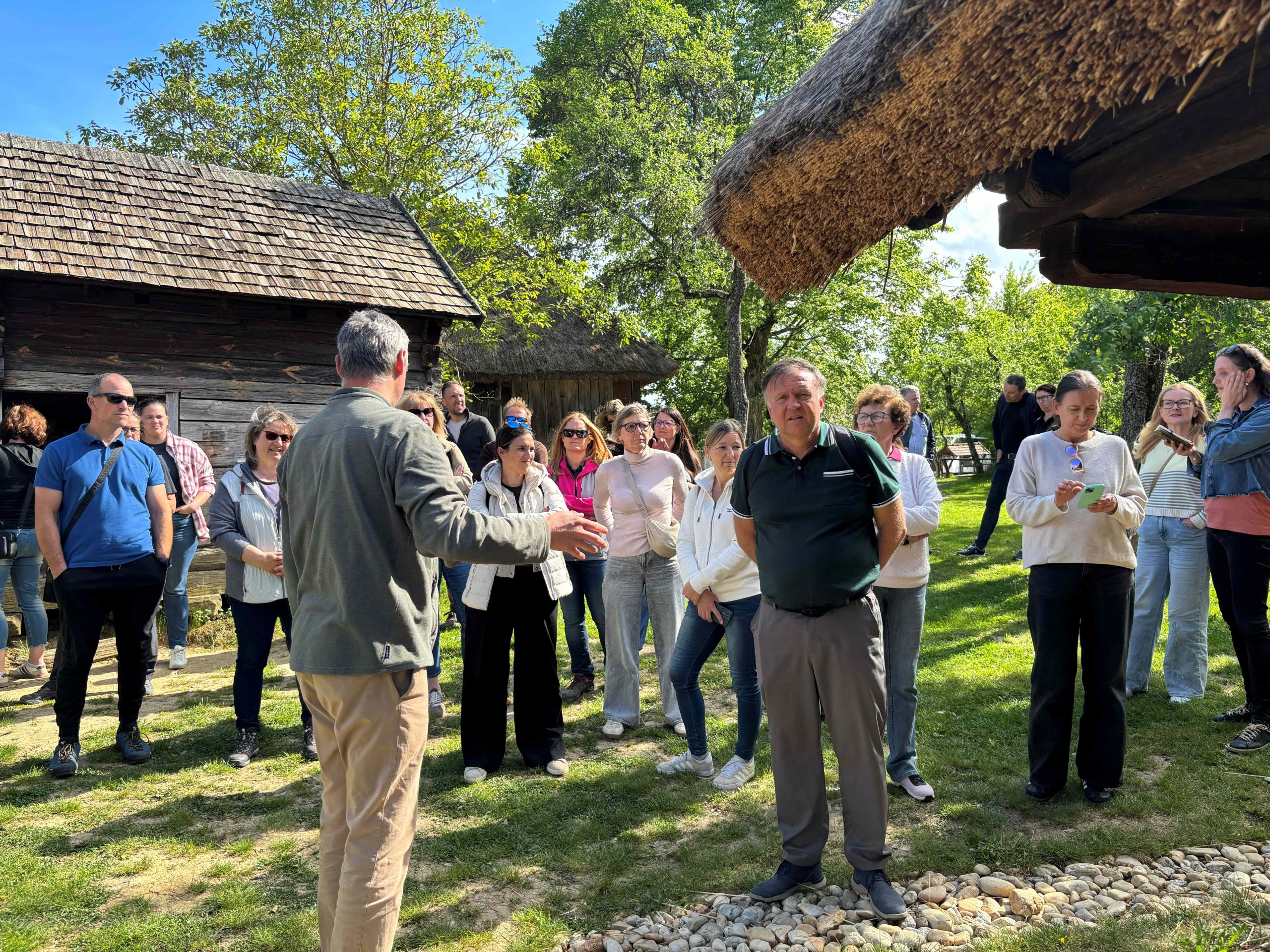
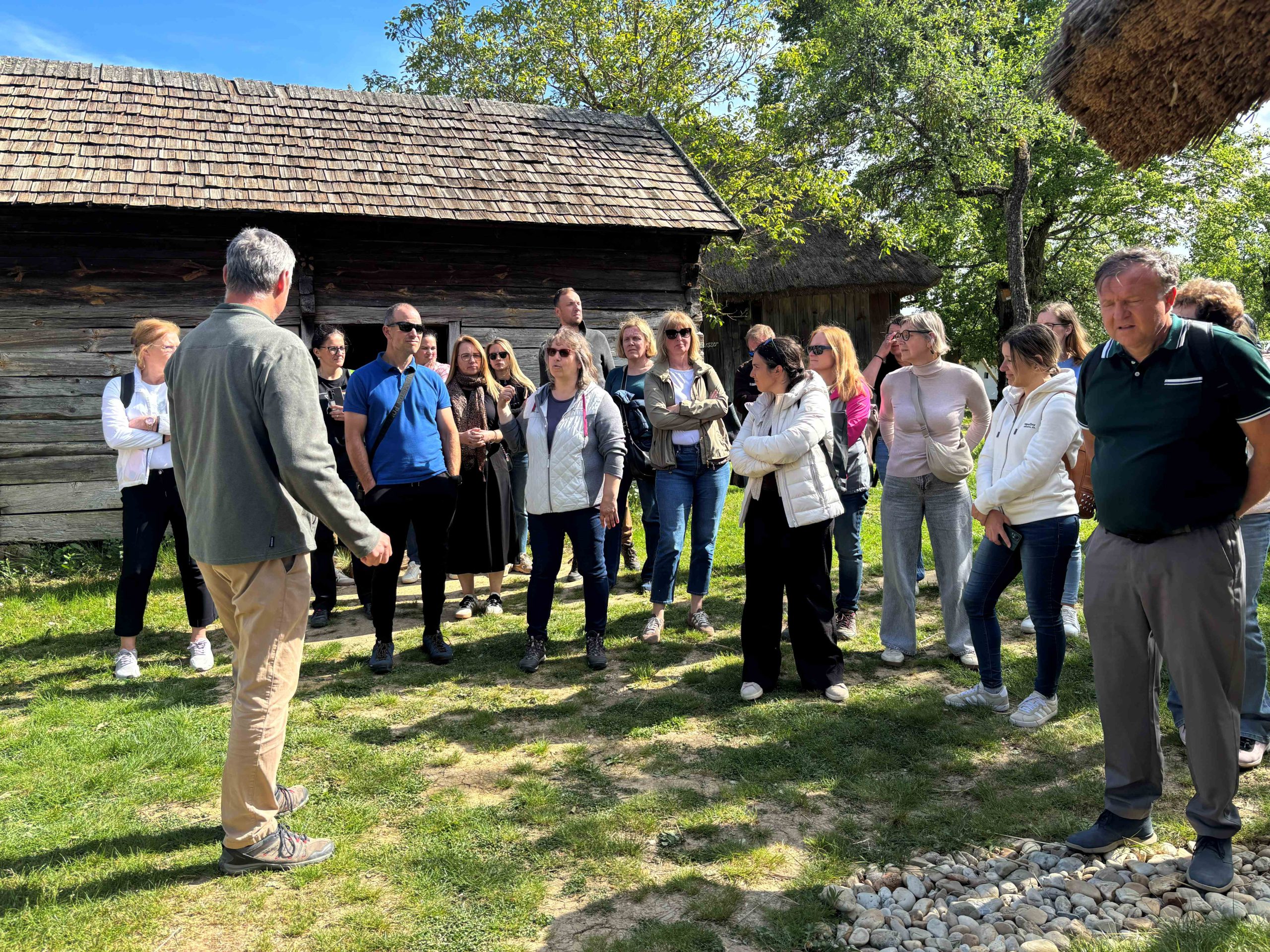
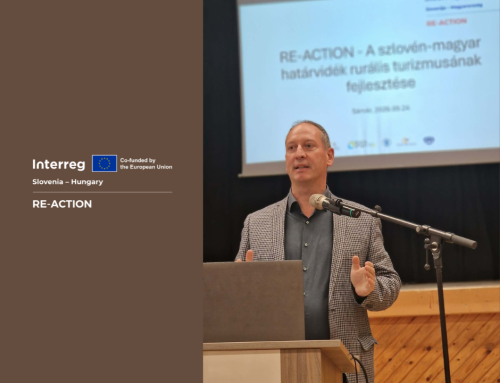
The afternoon programme included a visit to the Őrség National Park, with a special focus on the challenges of light pollution and the importance of cross-border cooperation in addressing them. The Keep it dark! project was presented by Dr Tadej Pirc, Head of Experts at the Development Centre Murska Sobota. The project is implemented under the Interreg Slovenia–Hungary programme and addresses the impacts of artificial light on the environment, biodiversity, and quality of life.
The presentation highlighted that light pollution is primarily caused by public lighting, logistics centres, greenhouses, transport infrastructure, and other sources of artificial illumination. Artificial light at night disrupts the natural biological rhythms of many species, degrades the quality of the nocturnal environment, and also affects human health, particularly sleep quality and overall well-being.
Special emphasis was placed on researching the impacts of light pollution on individual species and on developing modern technological solutions to reduce its negative effects. It was stressed that light pollution is a global environmental challenge that requires long-term cooperation, systemic measures, and active public awareness-raising.
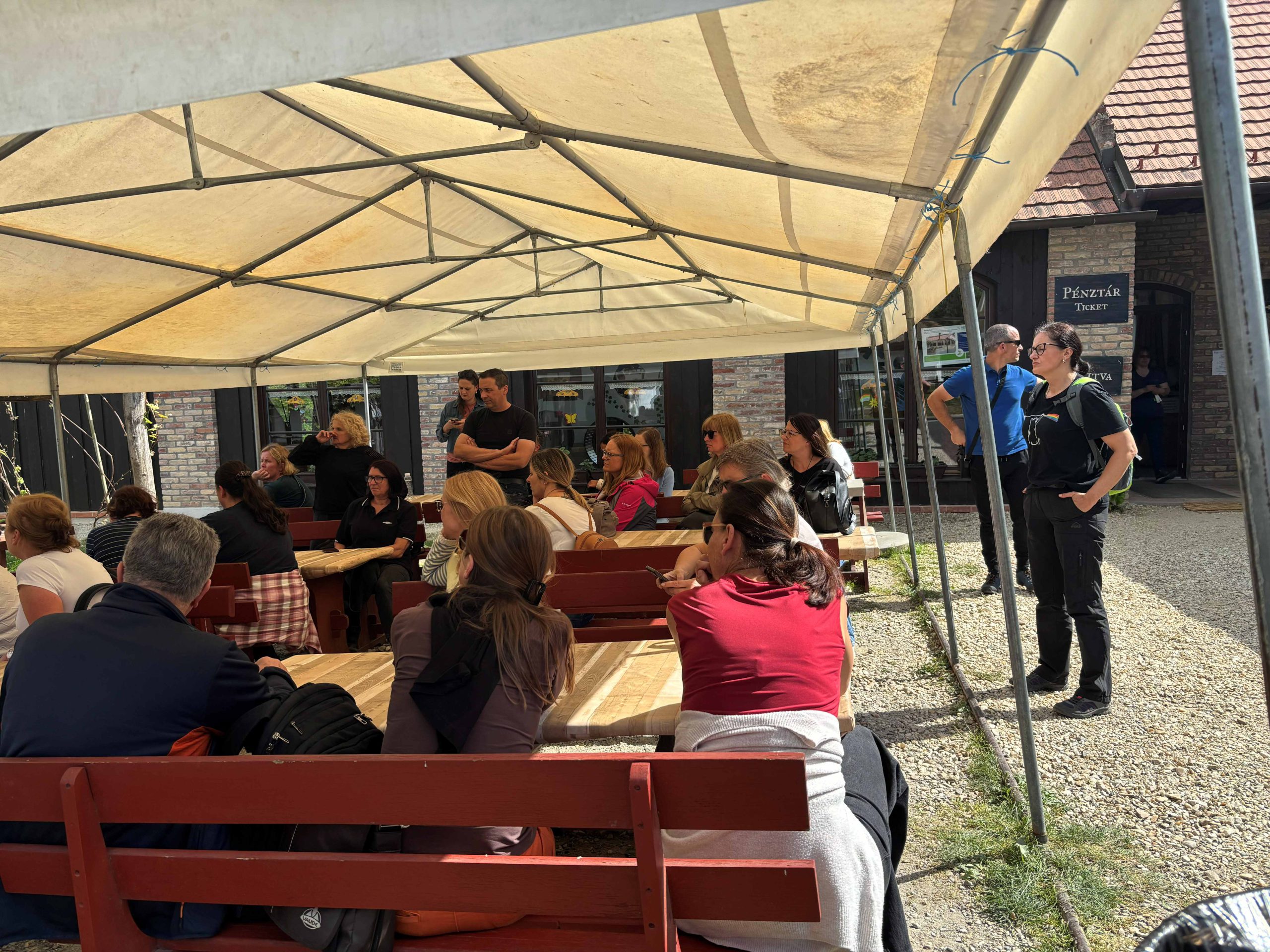
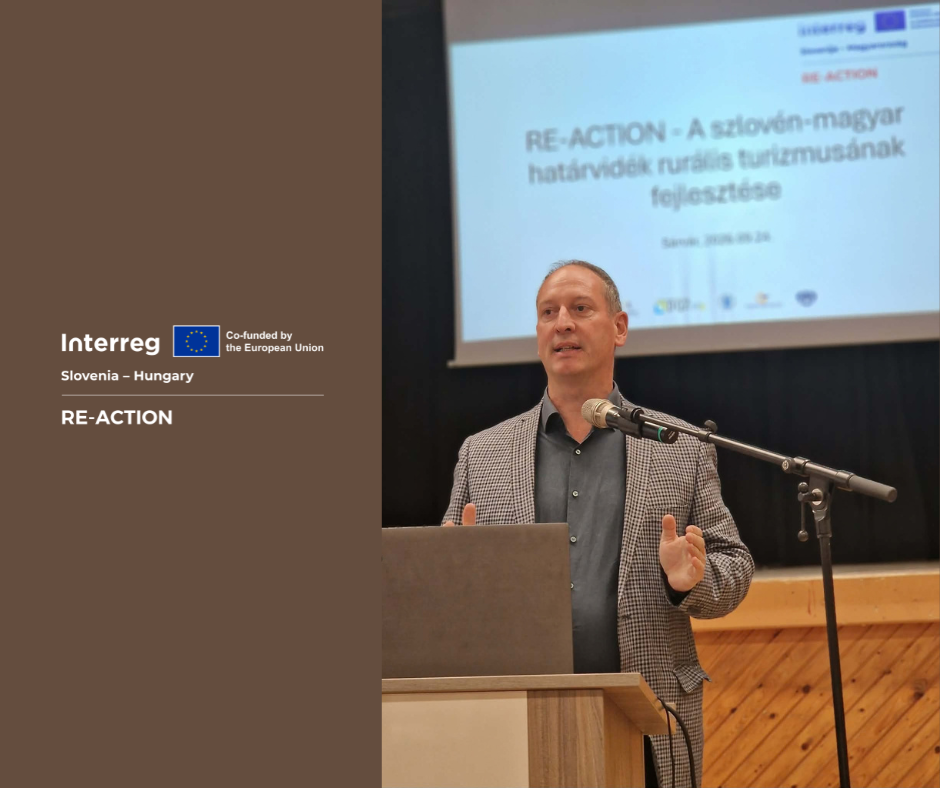
Photos by Razvojni center Murska Sobota

Leave A Comment