



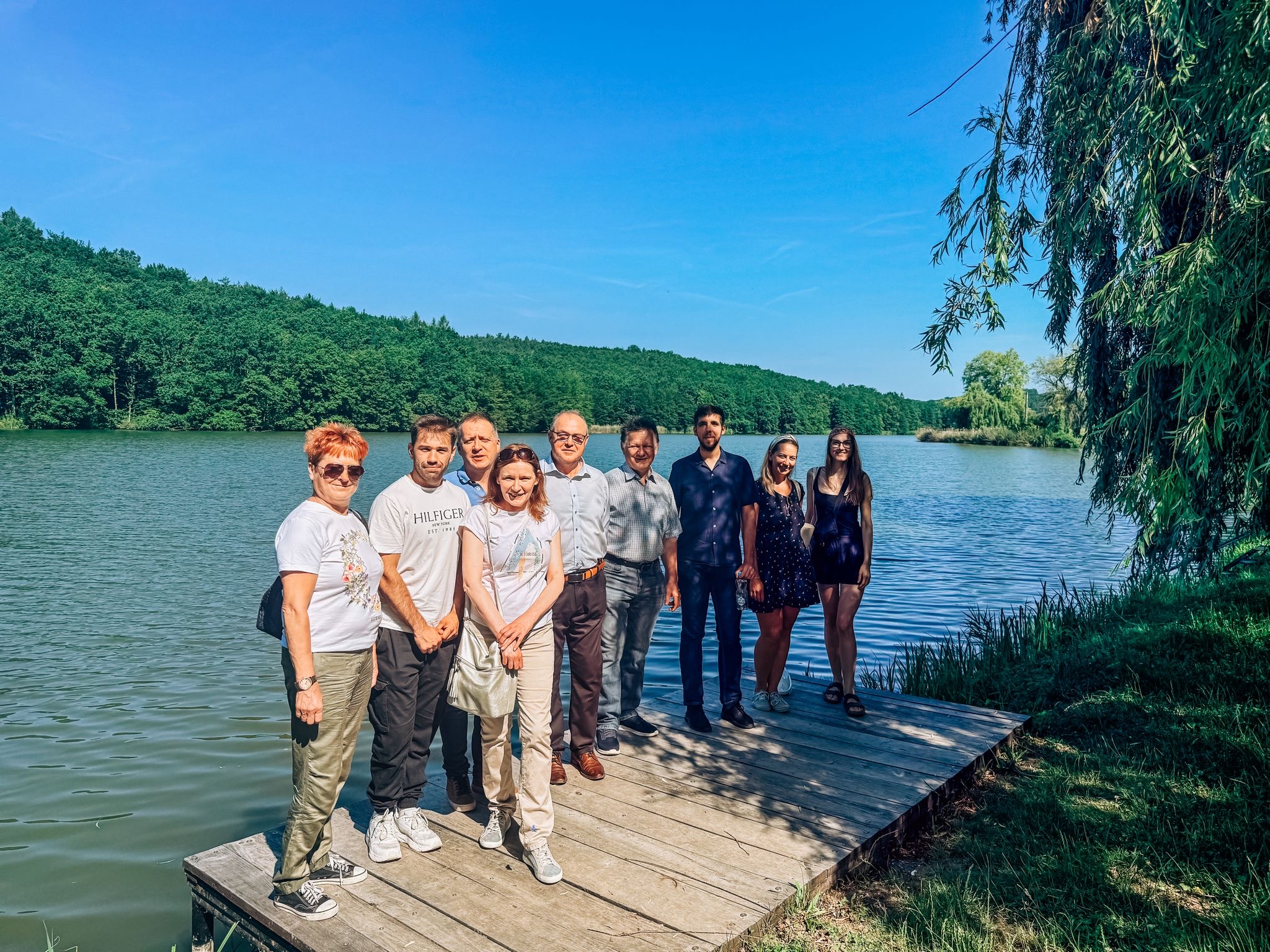
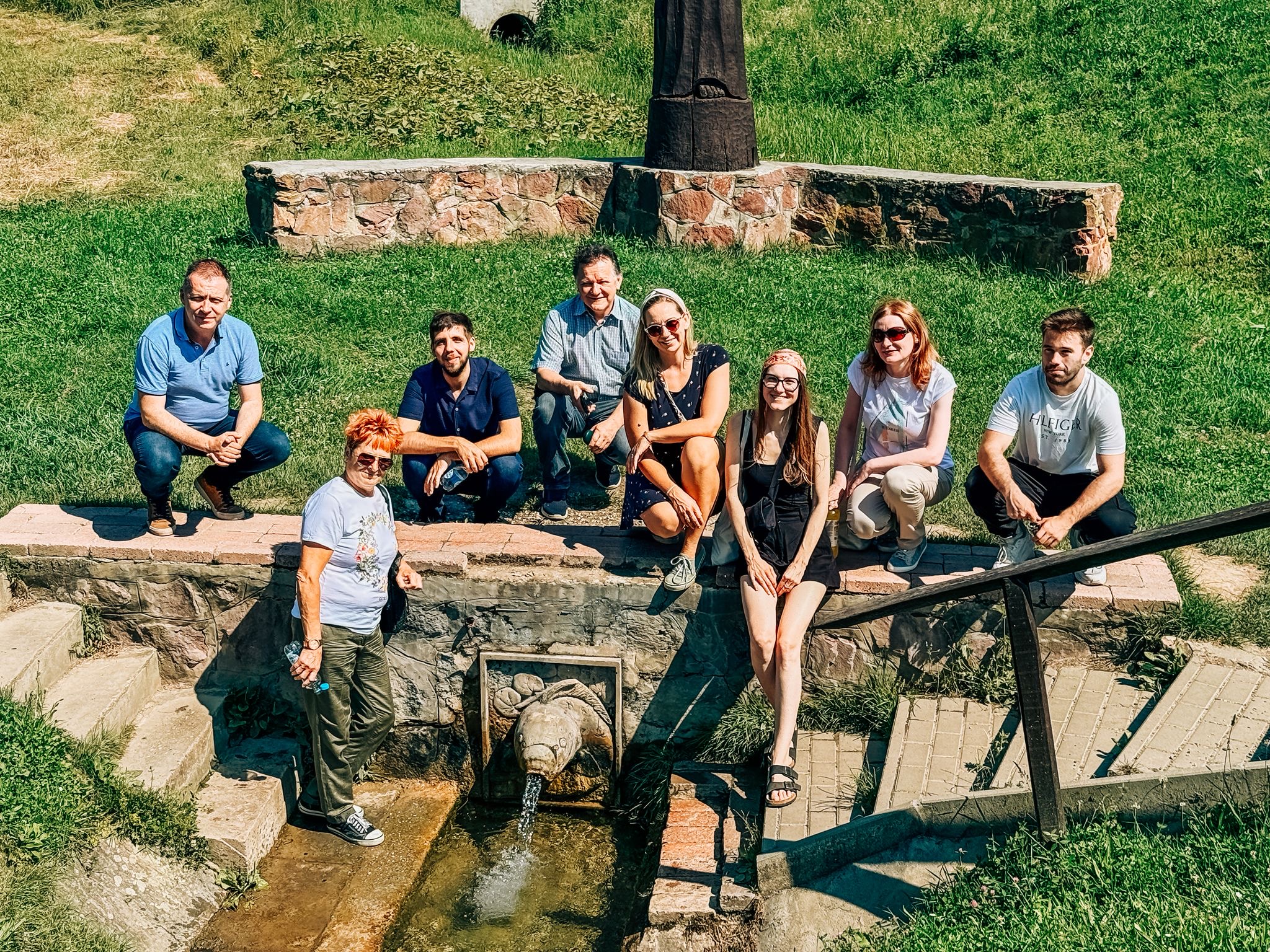
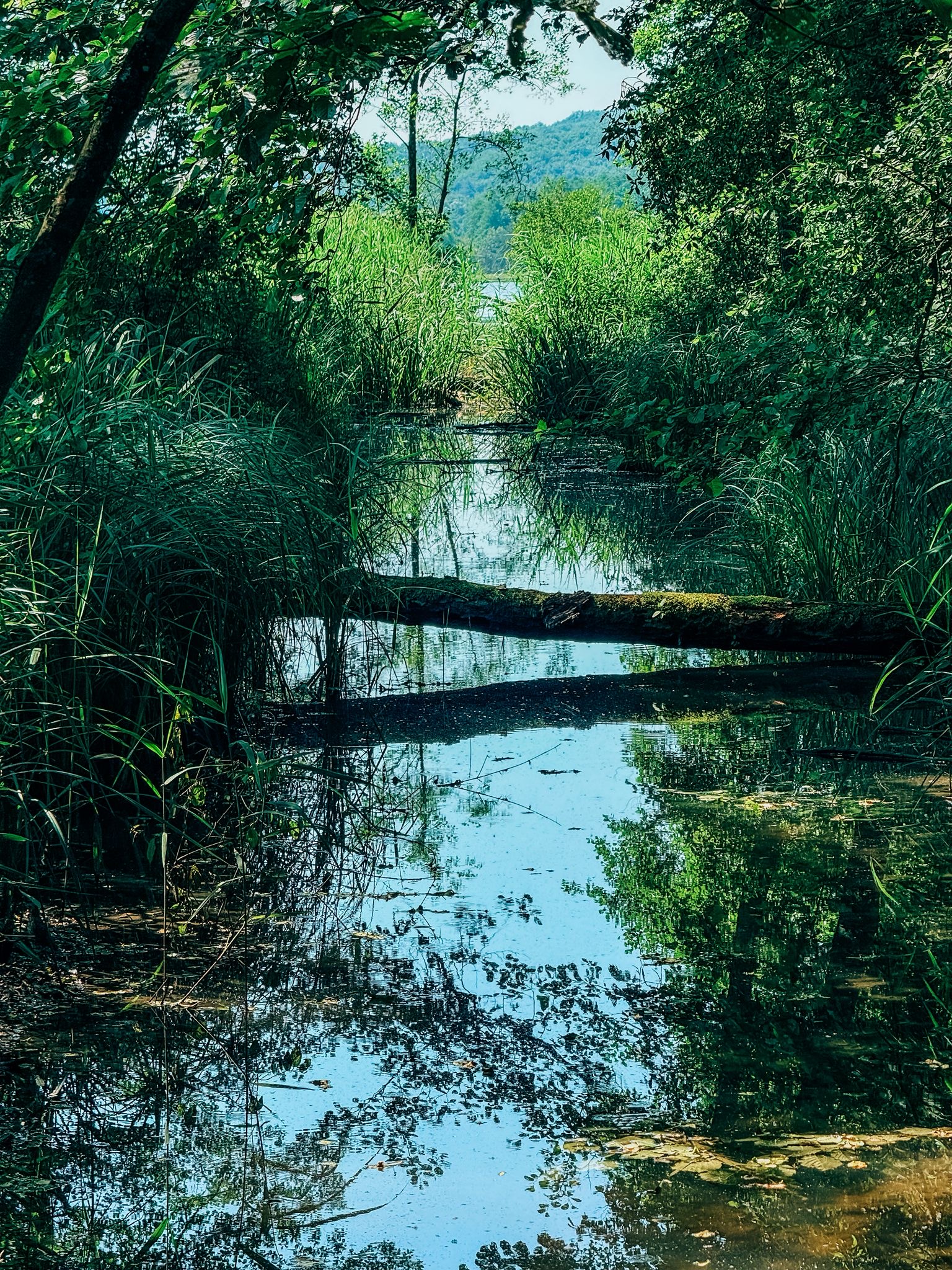
On 22 June, the partners of the PollenAct project visited the area surrounding the artificial Lake Kistolmacs in Hungary. Today, the lake is an important example of successful habitat conservation and provides a valuable home for numerous plant and animal species, including wild pollinators.
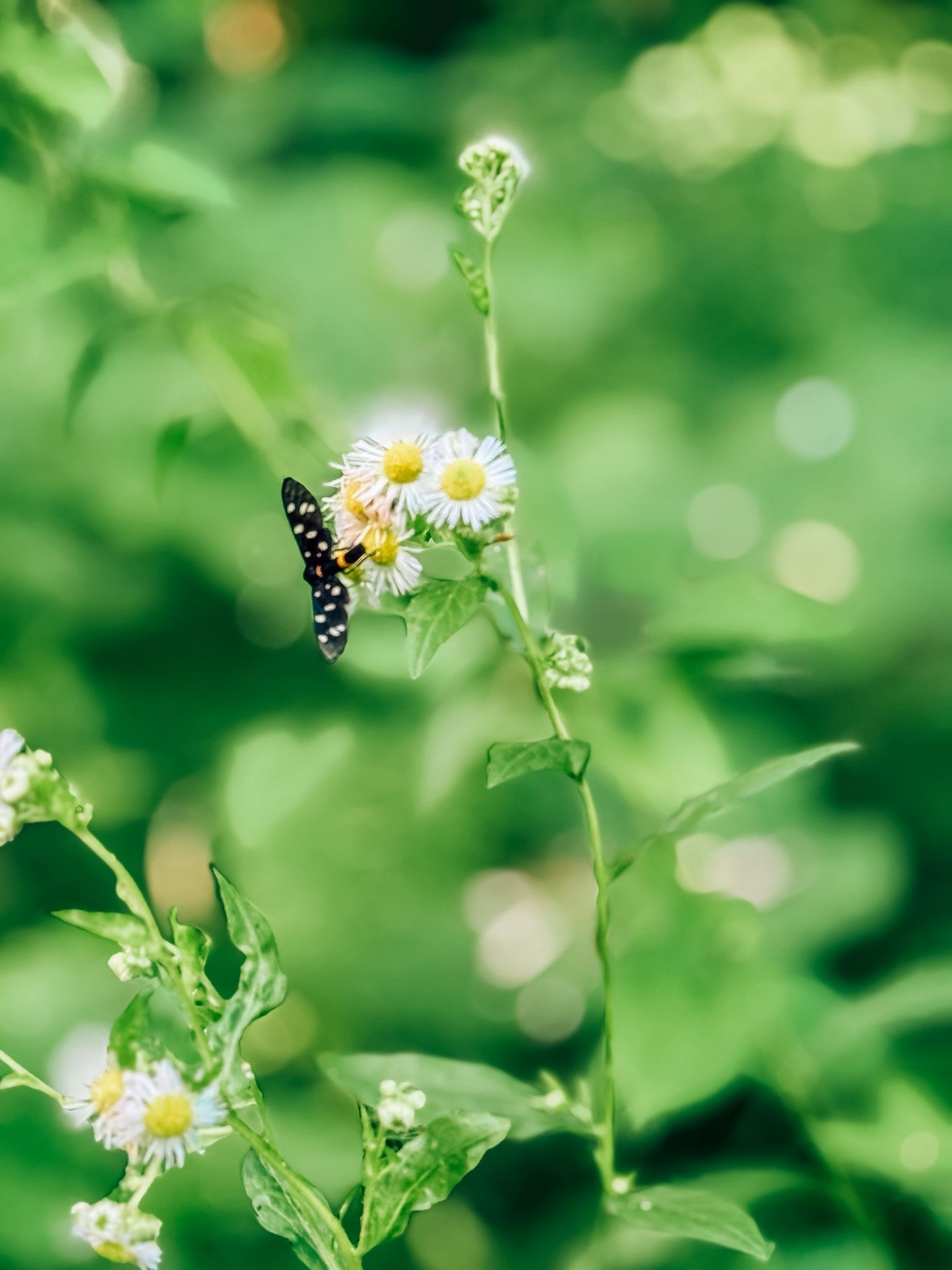
The story of the lake began in the 1980s, when oil drilling unexpectedly uncovered a rich spring water source that remains active to this day. This accidental discovery gave rise to a lake that has since become an important natural and cultural asset of the region. The Municipality of Zala is responsible for its management and conservation, helping to preserve diverse habitats and provide suitable living conditions for a wide range of organisms—including wild pollinators, which play a vital role in ecosystem functioning and the conservation of biodiversity. Maintaining connected, high-quality habitats is therefore essential for their long-term survival.
The study visit provided an excellent opportunity to exchange knowledge, experience, and good practices in nature conservation, while once again highlighting the importance of cooperation in protecting natural habitats. Examples such as Lake Kistolmacs demonstrate that, with careful management, even accidental discoveries can become invaluable natural treasures.
Photos by PollenAct








Leave A Comment