



The second C4F-ELEVATE professional event in Murska Sobota connected ethnological research, craft knowledge and contemporary design, presenting practical paths from heritage to sustainable products.
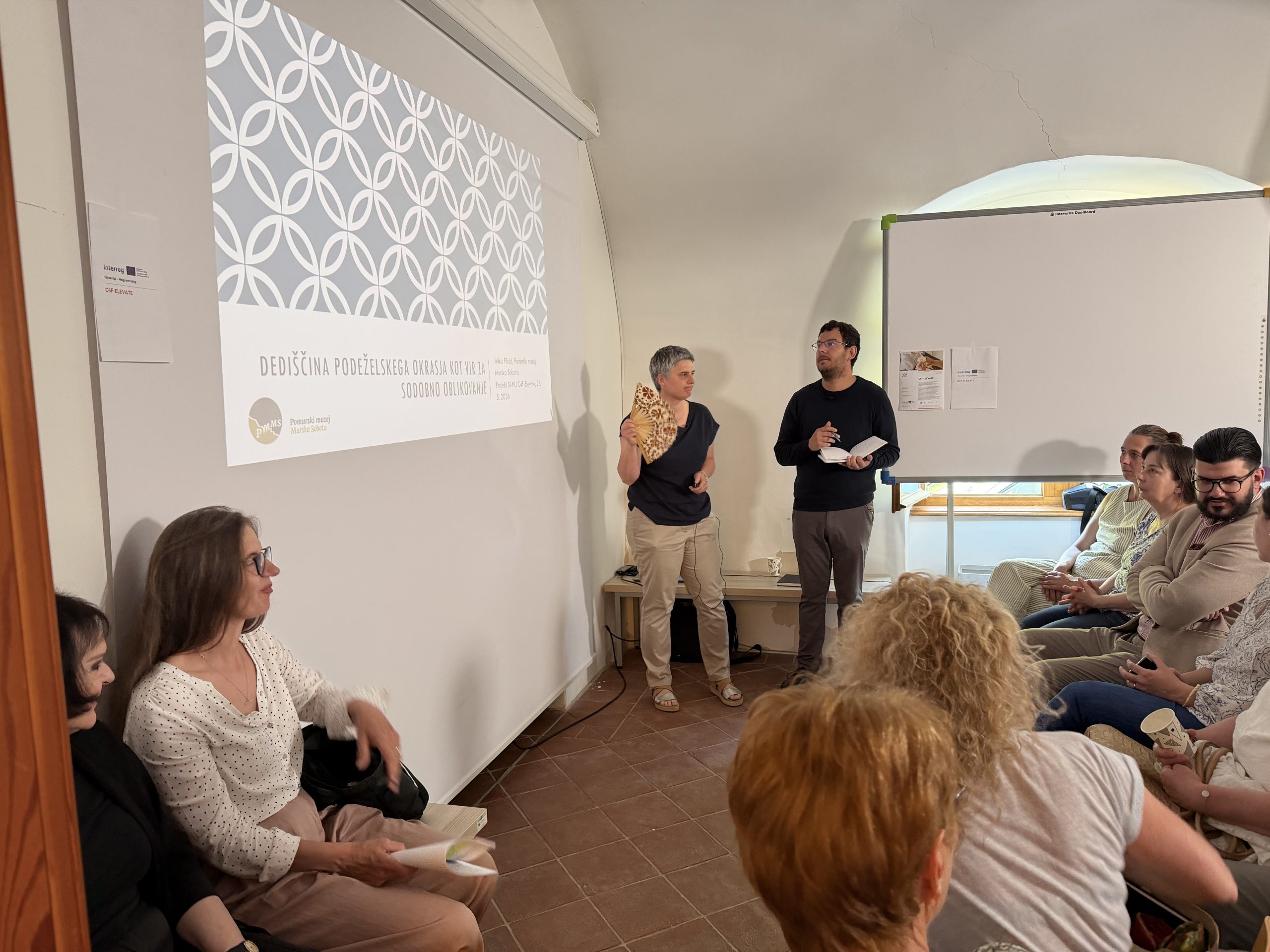
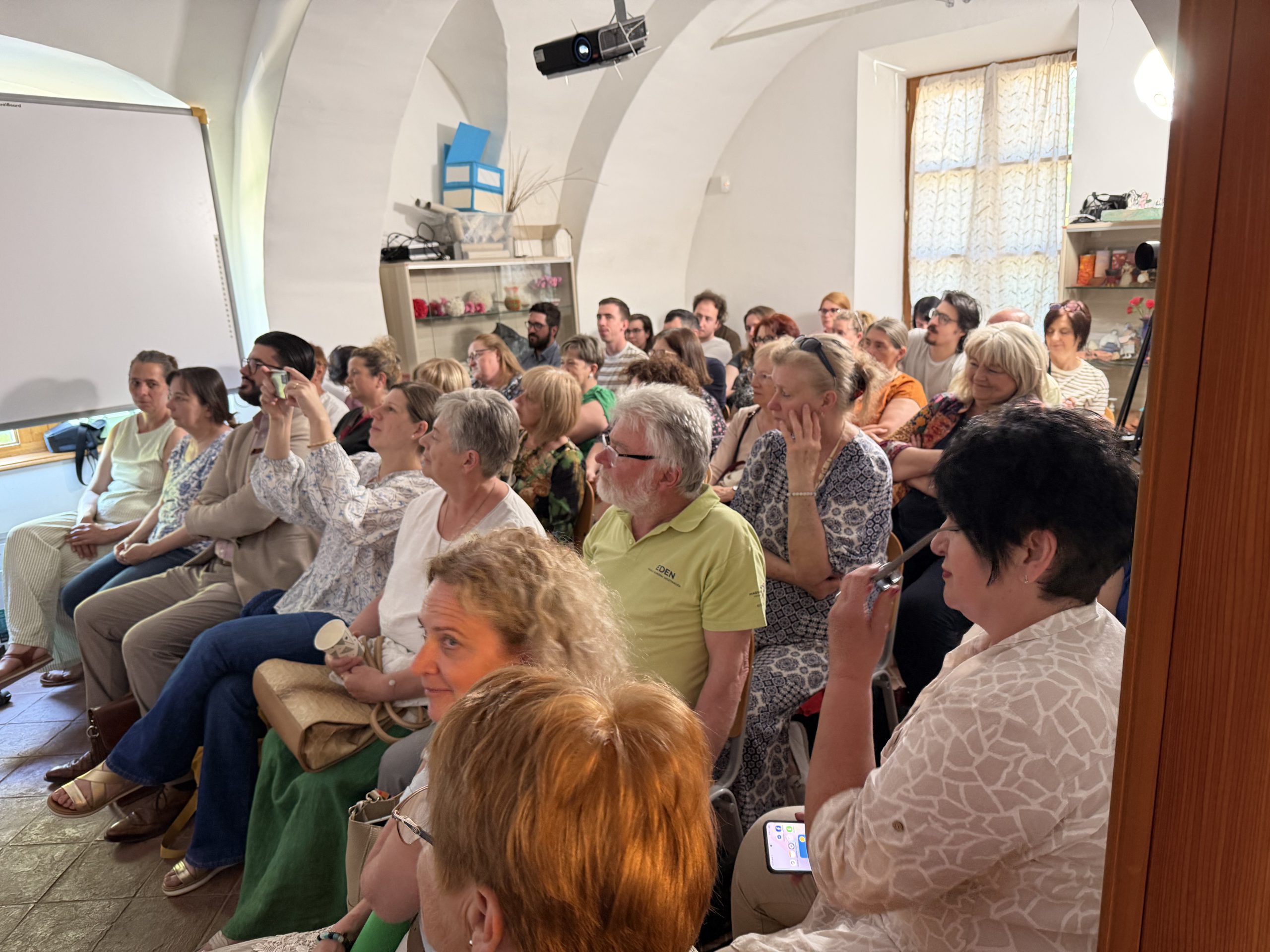
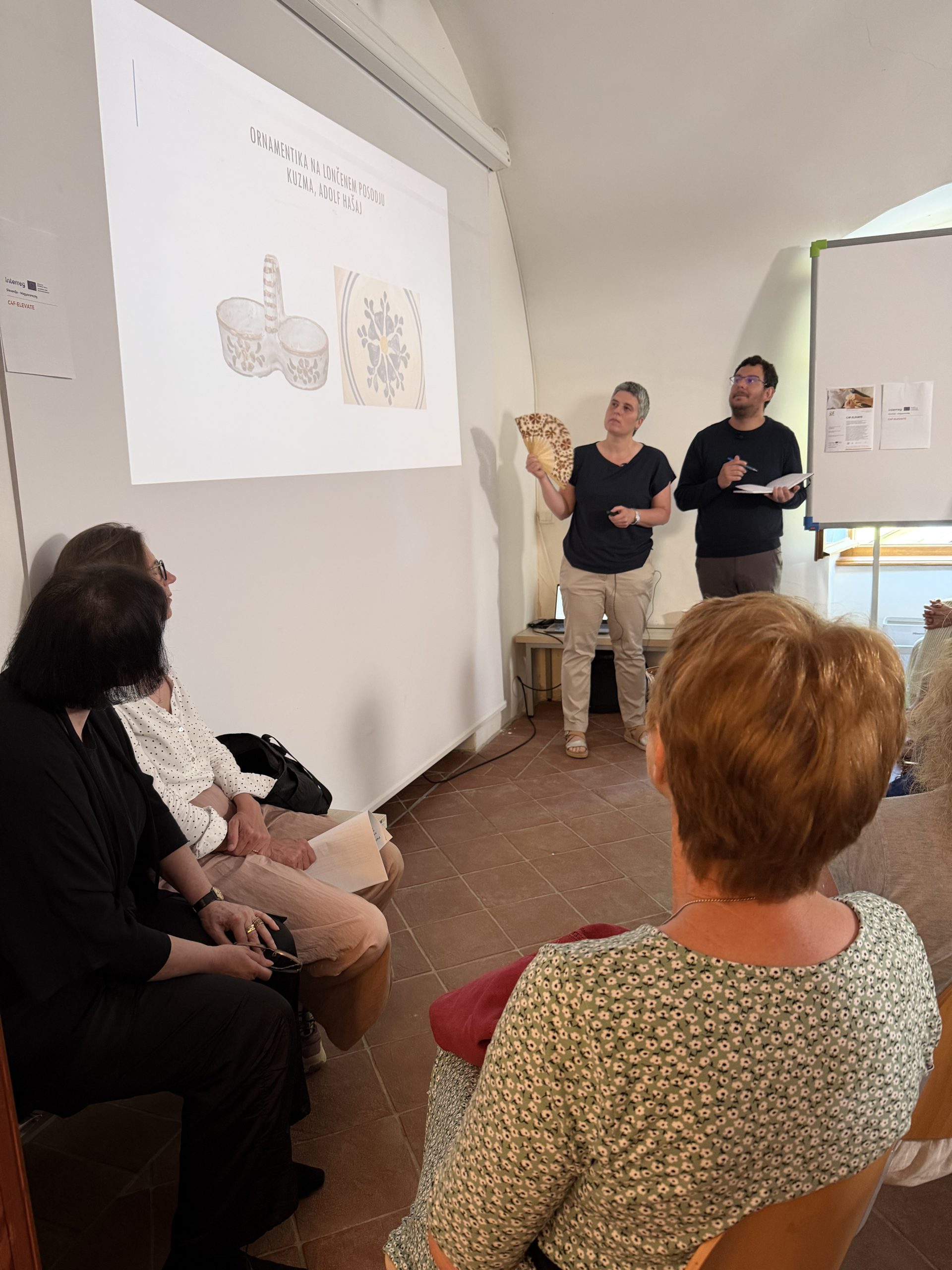
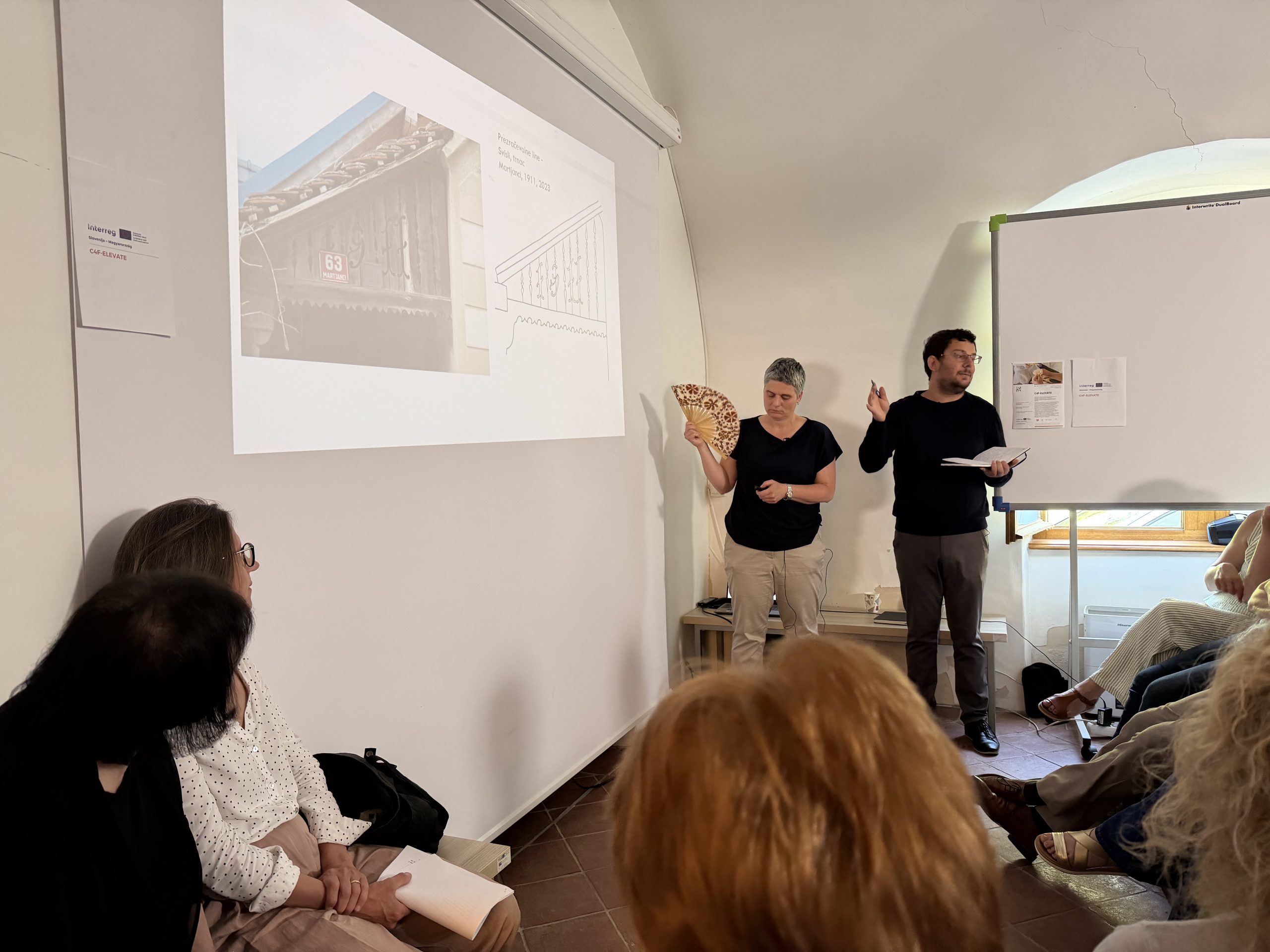
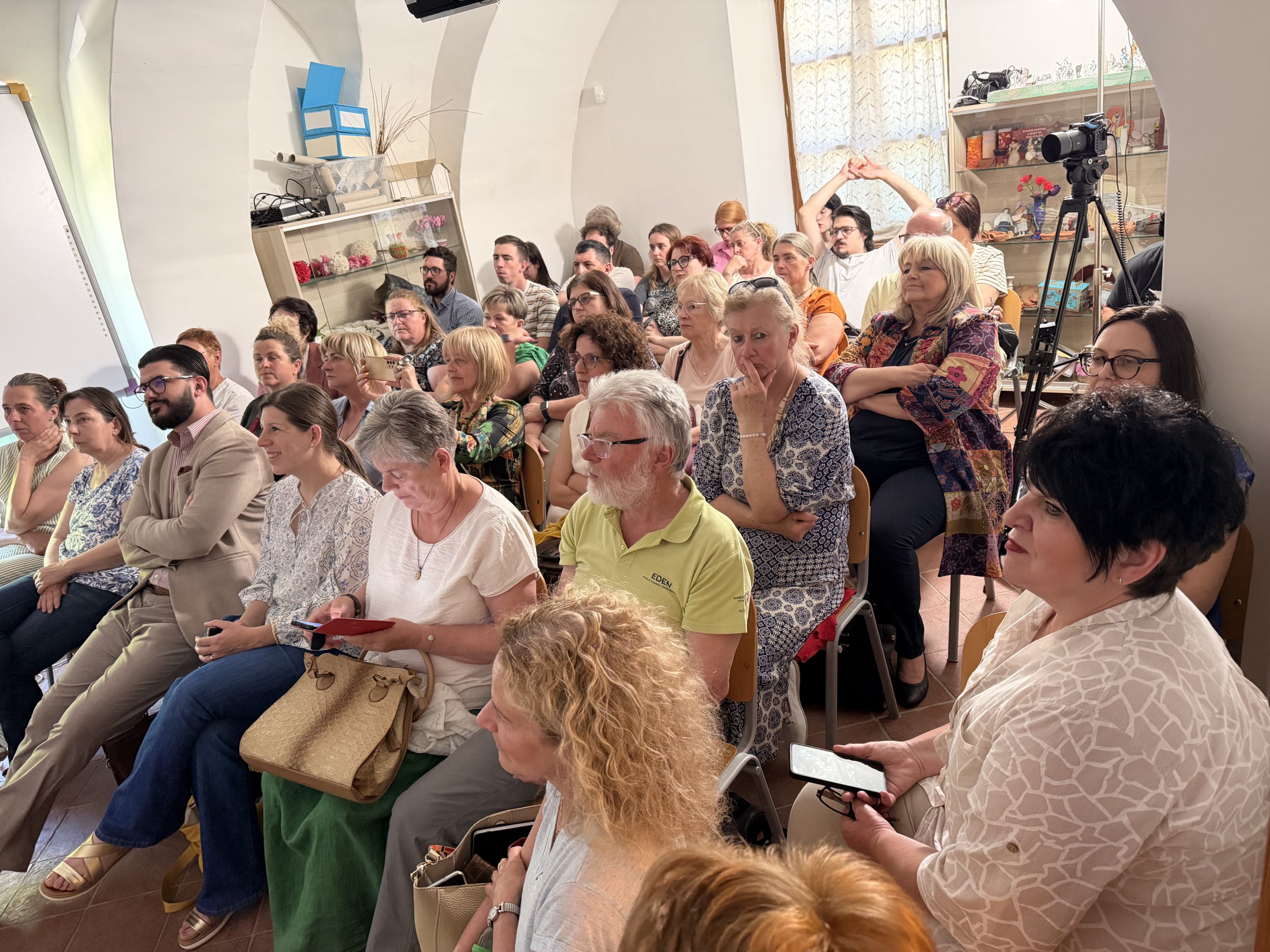
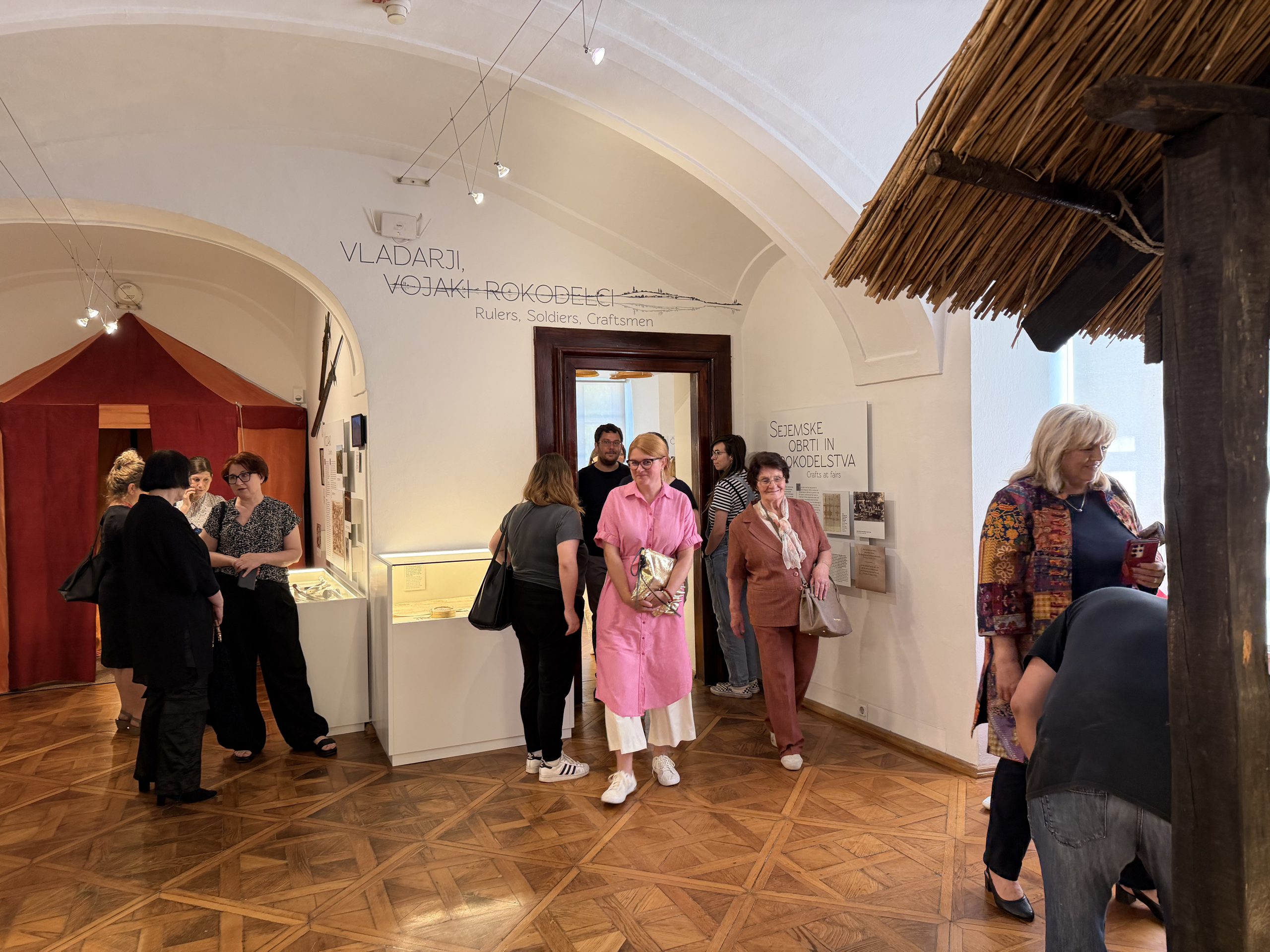
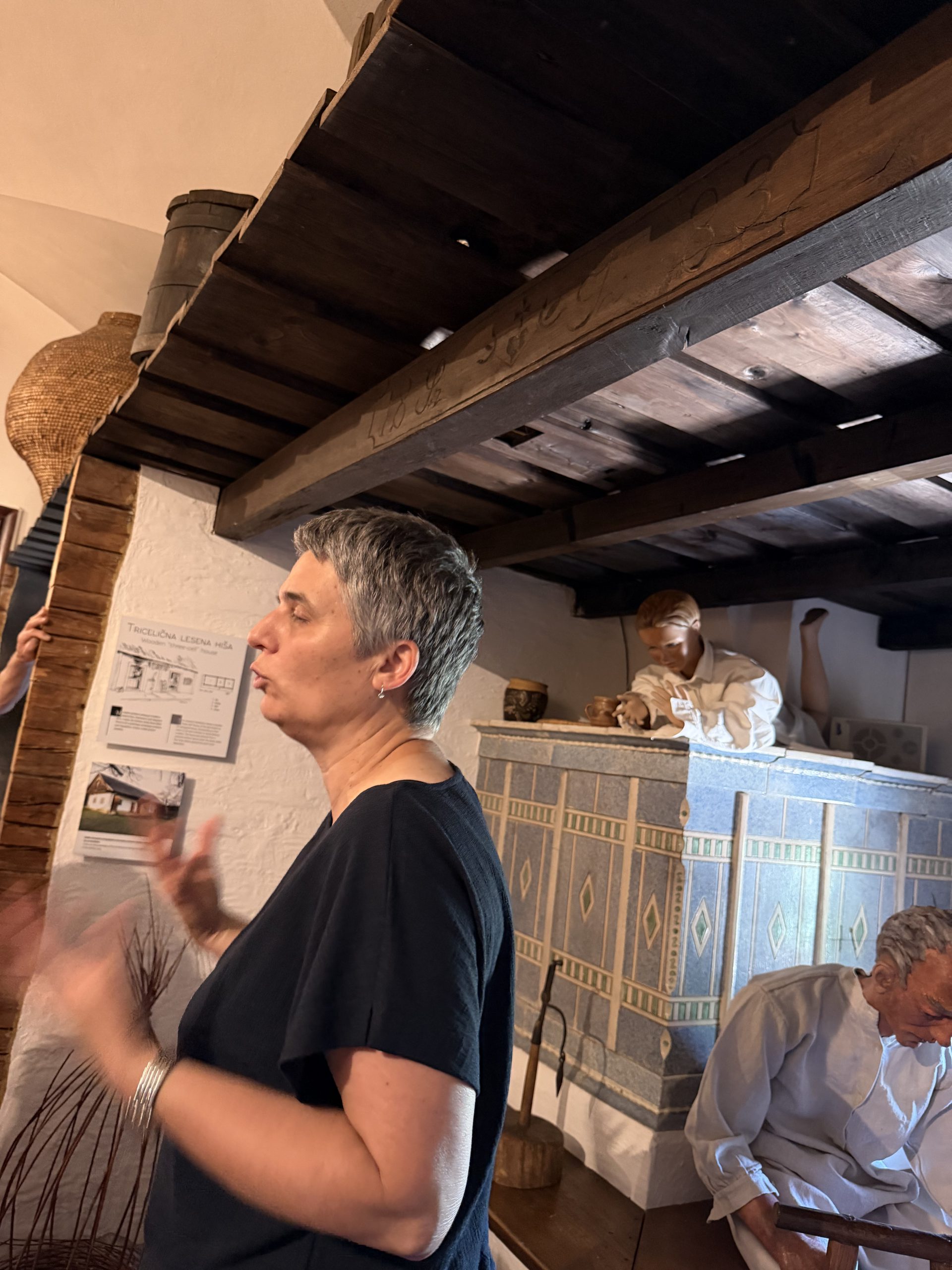
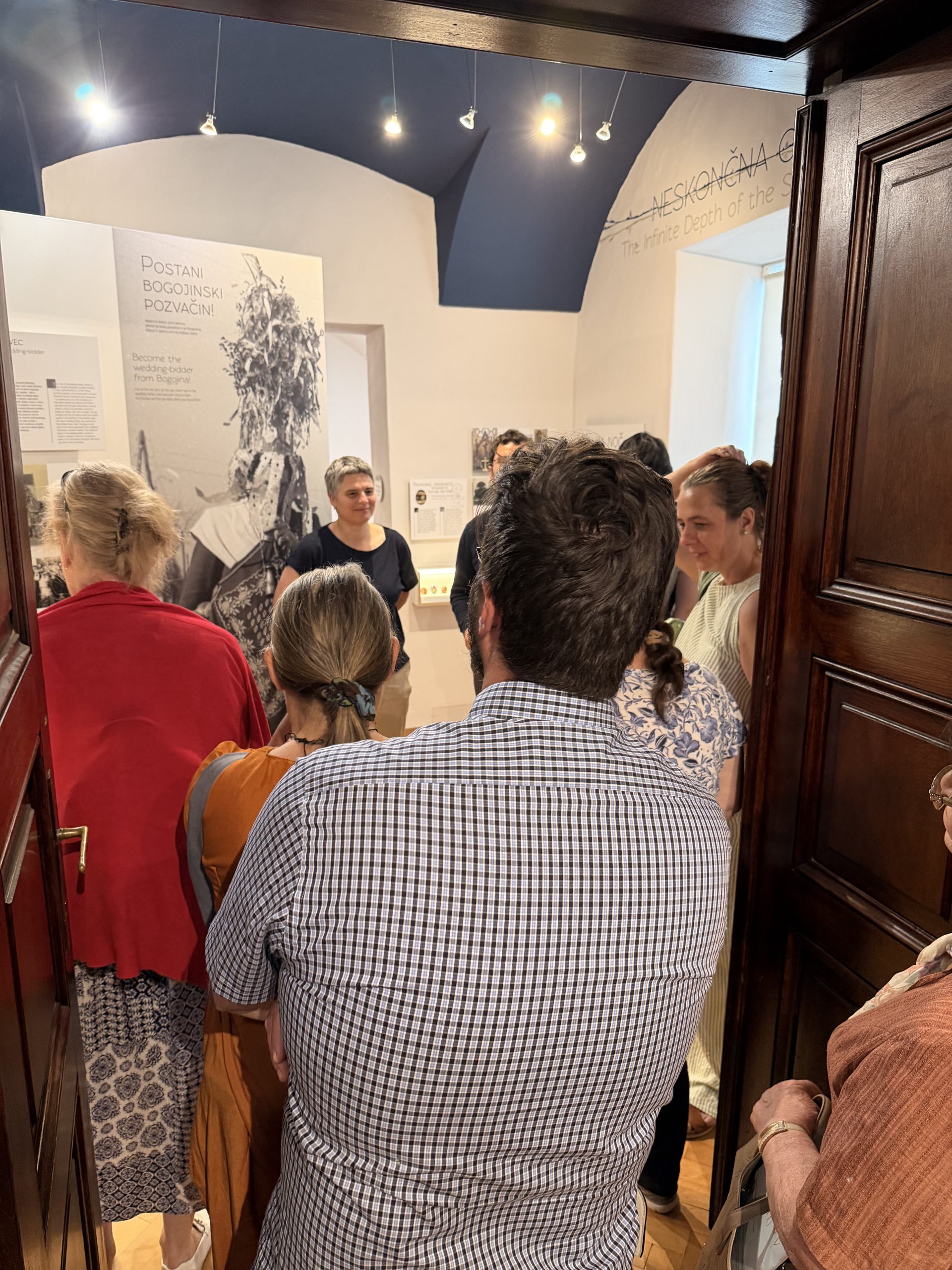
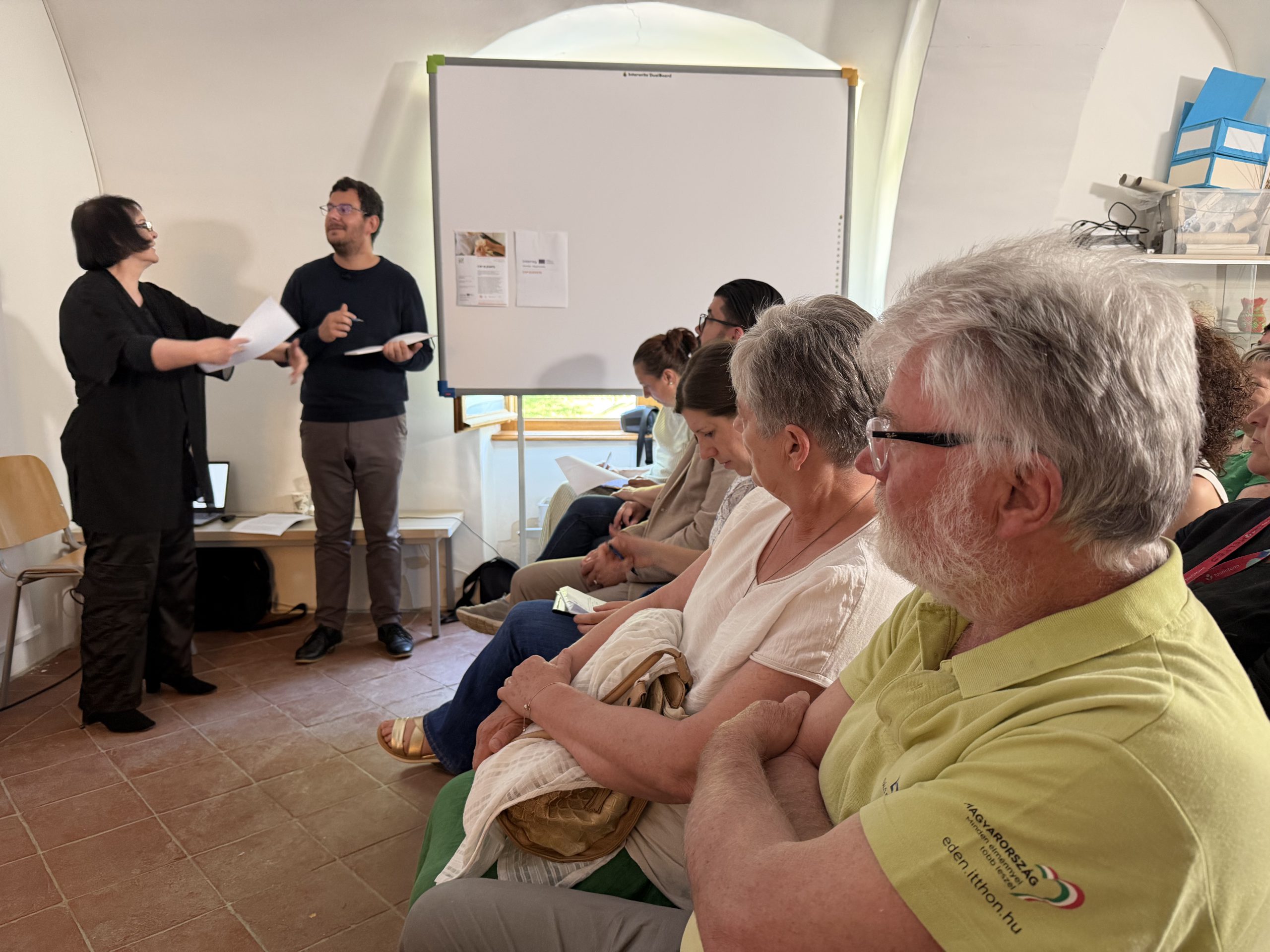
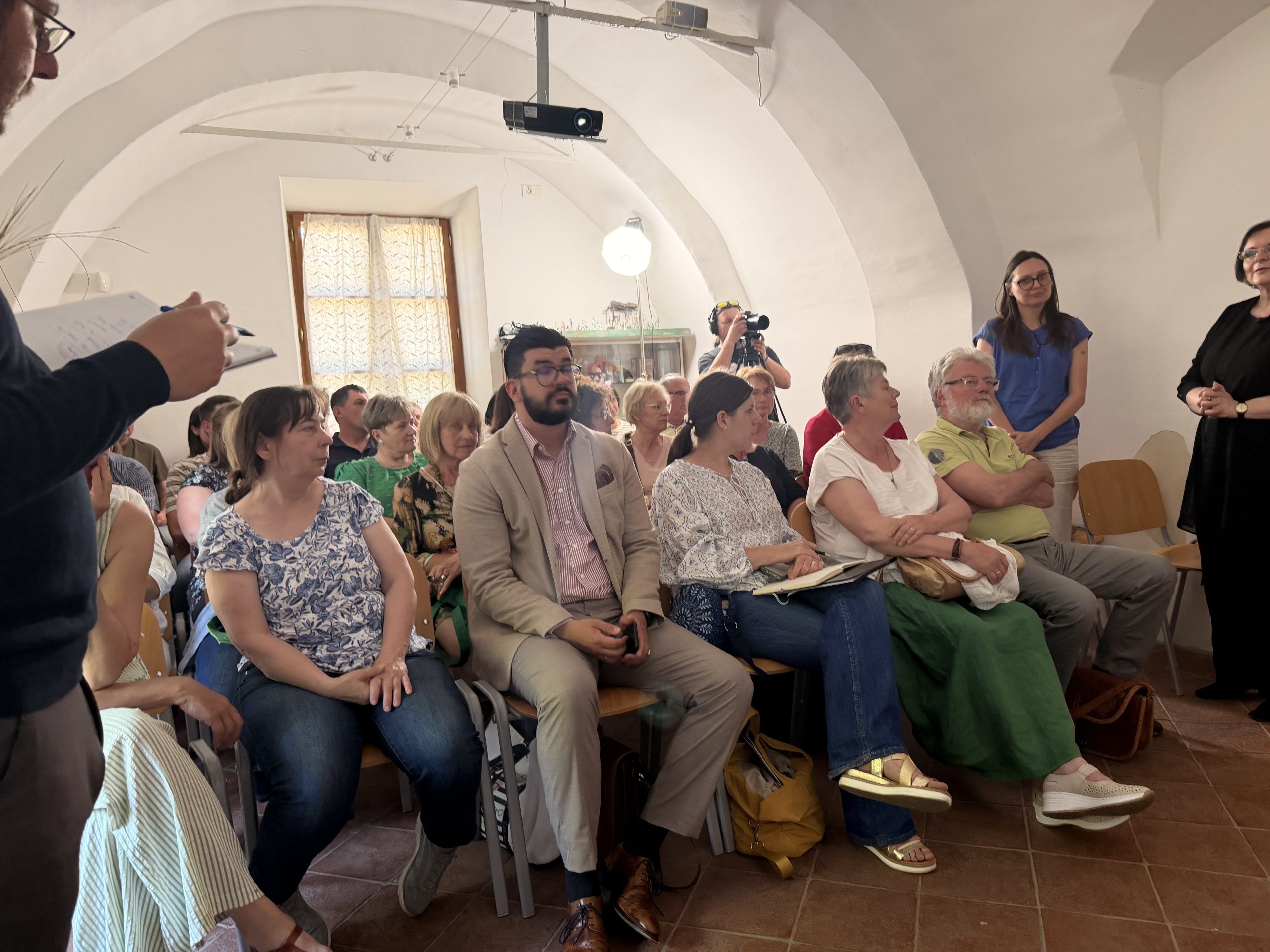
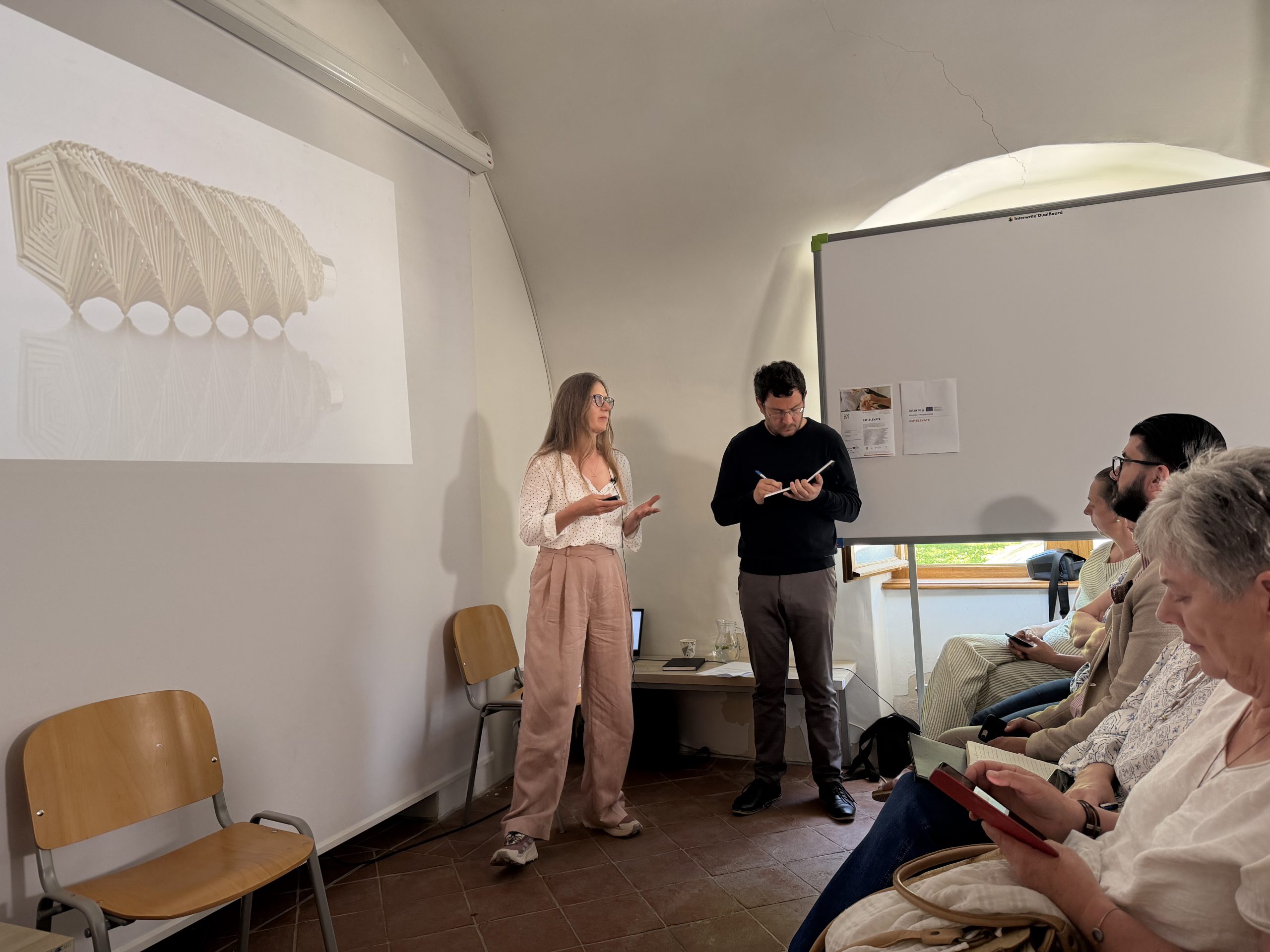
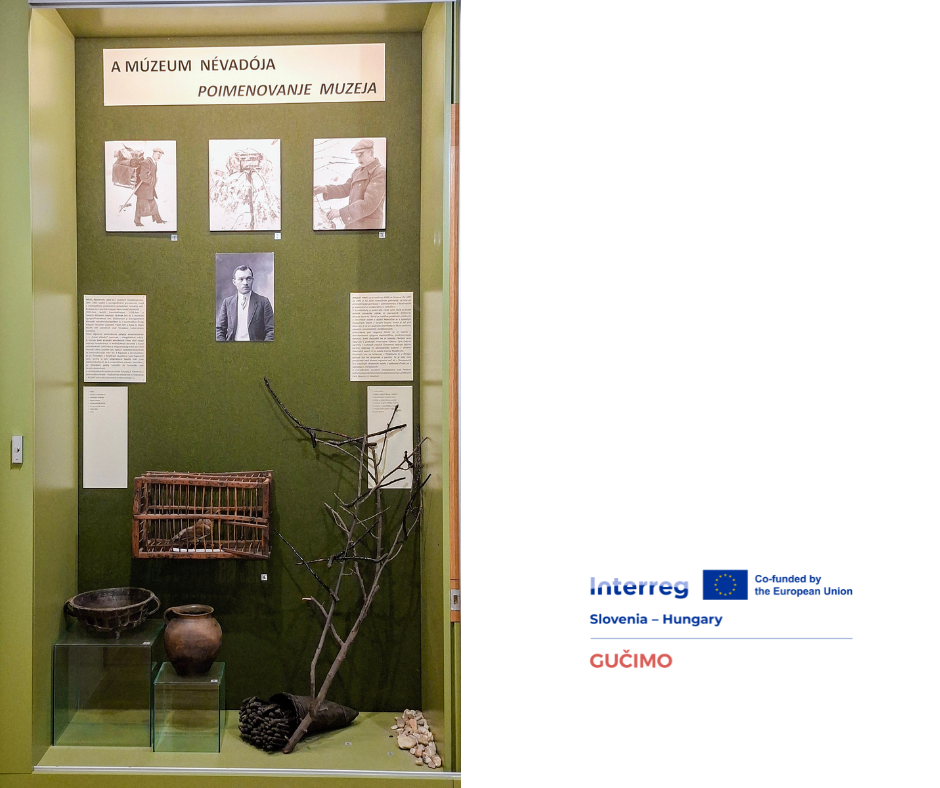
On 26 May 2026, the C4F-ELEVATE partnership organised its second professional event, “Modernisation of Craft Heritage through Contemporary Design”, at the Pomurje Museum Murska Sobota. Under the guiding idea “The past in our hands, the future in form”, the event explored how cultural heritage research, traditional skills and local materials can inspire contemporary products without losing their original identity and meaning. Following the welcome address and presentation of the C4F-ELEVATE project, Jelka Pšajd, ethnologist, senior curator and museum councillor at the Pomurje Museum Murska Sobota, presented ornamental heritage as a source for the development of new craft products. Her contribution highlighted the importance of recognising traditional symbols, motifs, materials and stories as bearers of local identity and using careful ethnological research as a foundation for responsible reinterpretation. She then led a professional tour of the museum collection, giving participants direct insight into the region’s craft heritage and its historical and cultural contexts. Jožica Brodarič presented design between tradition and functionality through examples from her professional practice. She demonstrated how traditional knowledge can be incorporated into authorial collections and contemporary, useful products while maintaining high aesthetic and production standards. Darja Malešič introduced PraPreplet, a project that brings basketry into contemporary design. Her presentation showed how local materials, skilled handwork and sustainable design approaches can be combined in innovative products with a strong connection to place. Sara Köleš Ribeiro, Director of POMELAJ and Project Manager of C4F-ELEVATE, presented cooperation between designers and craftspeople in practice. She outlined the product-development process from the first concept and selection of materials to prototyping and a functional, aesthetically refined final product, emphasising the value of dialogue between different kinds of expertise. A guided discussion enabled participants to exchange questions, experiences and views on the challenges and opportunities of modernising craft heritage. The programme concluded with networking over local refreshments. Slovenian–Hungarian interpretation supported active participation by guests from both countries. The knowledge and examples shared in Murska Sobota will contribute to the project’s cross-border strategy, educational activities and the development of a high-quality cross-border collection of craft products, while strengthening cooperation between craftspeople, designers, museums and other cultural and tourism stakeholders.
Photos by C4F-ELEVATE

Leave A Comment