



Mills represent an important cultural and technical heritage that has been using alternative energy sources and sustainability principles in its activities since before recent times. The project partners of the From Mill to Mill project, the Slovenska Bistrica Development and Information Center, the Babičev mlin Institute, Muraba ETT, the Slovenian National Self-Government and the Kőszeghegyalja Association, have therefore prepared a series of activities in the frame of the project to add new programming and marketing content to the abandoned and disappearing mills, which will be interesting in the changing space of rural Europe.
Revitalization of mills
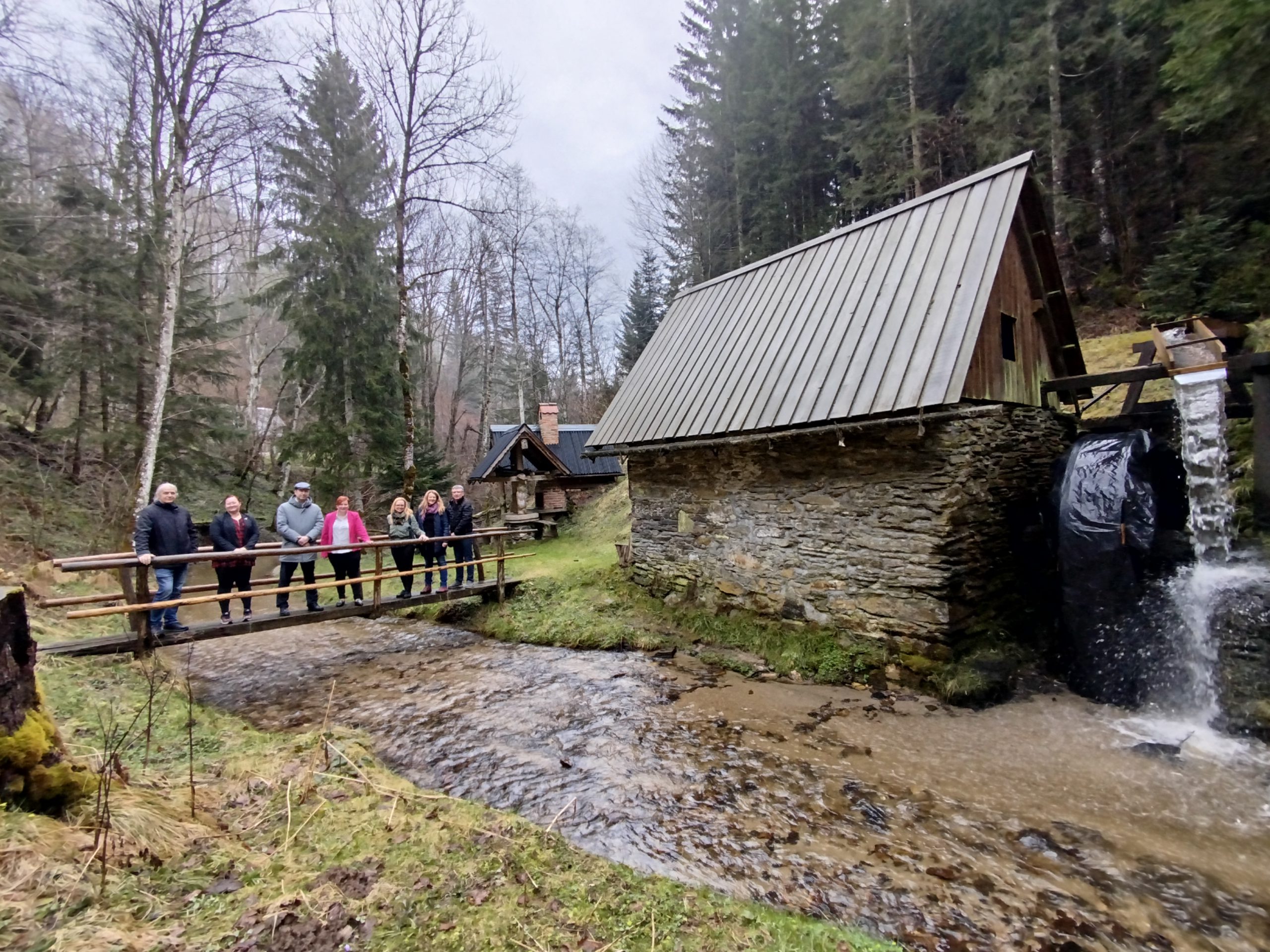
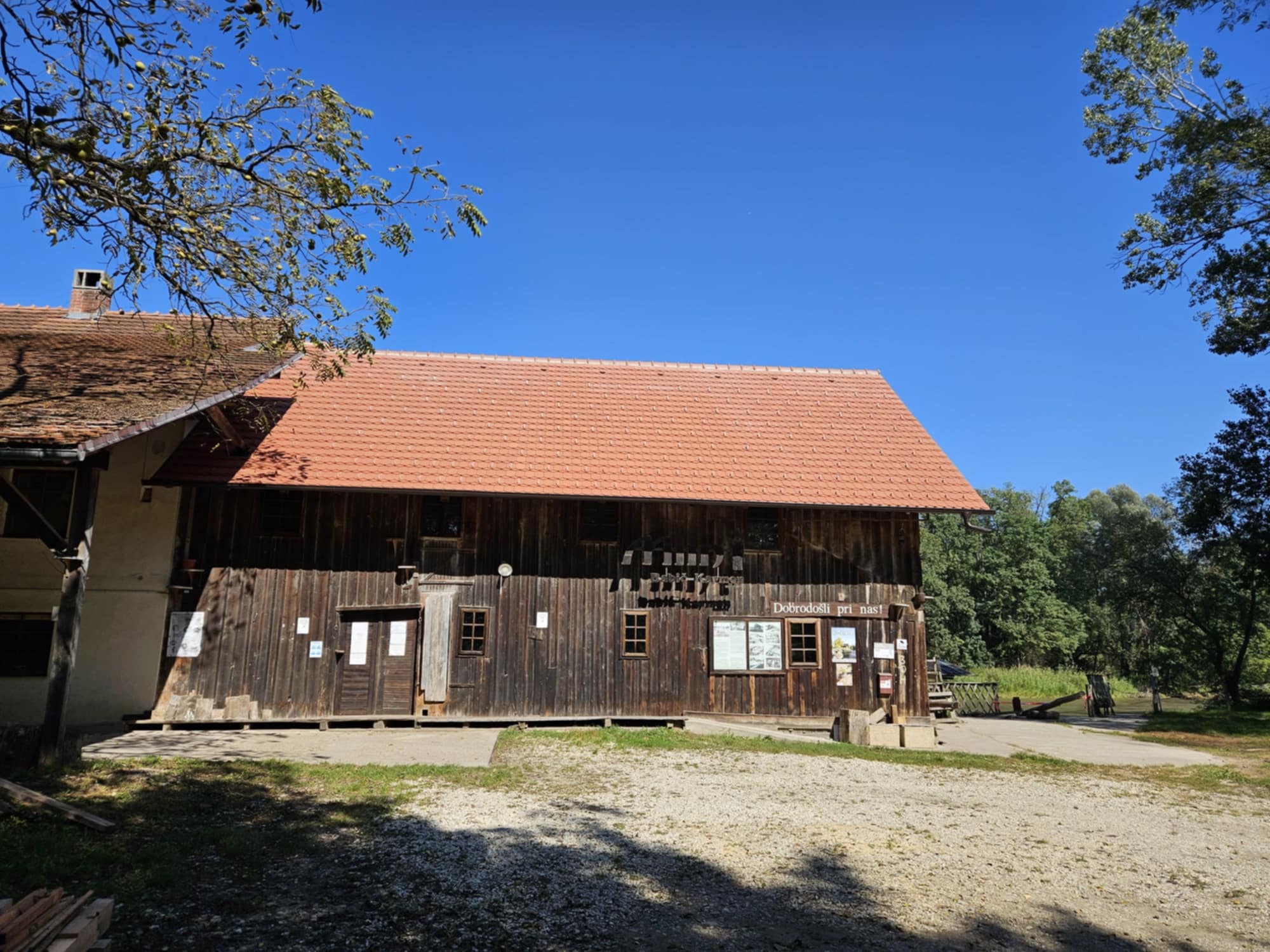
There are already five mills in the project area, which are a real feast for the eyes and which need some maintenance and revitalization. The project involved renovation works on two mills: Filo mill on Gornji Senik, which is a true technical rarity, as it can be powered by a water wheel, a water turbine and a gas engine, and the main investment was made in the drive train. The second major investment was made on the most famous mill in Slovenia, Babič mill on the Mura River, where the roof was completely renovated so that the mill can continue to operate safely.. Both mills can now receive visitors without interruption and offer interesting educational, technical and entertainment content.
Connecting people in the countryside
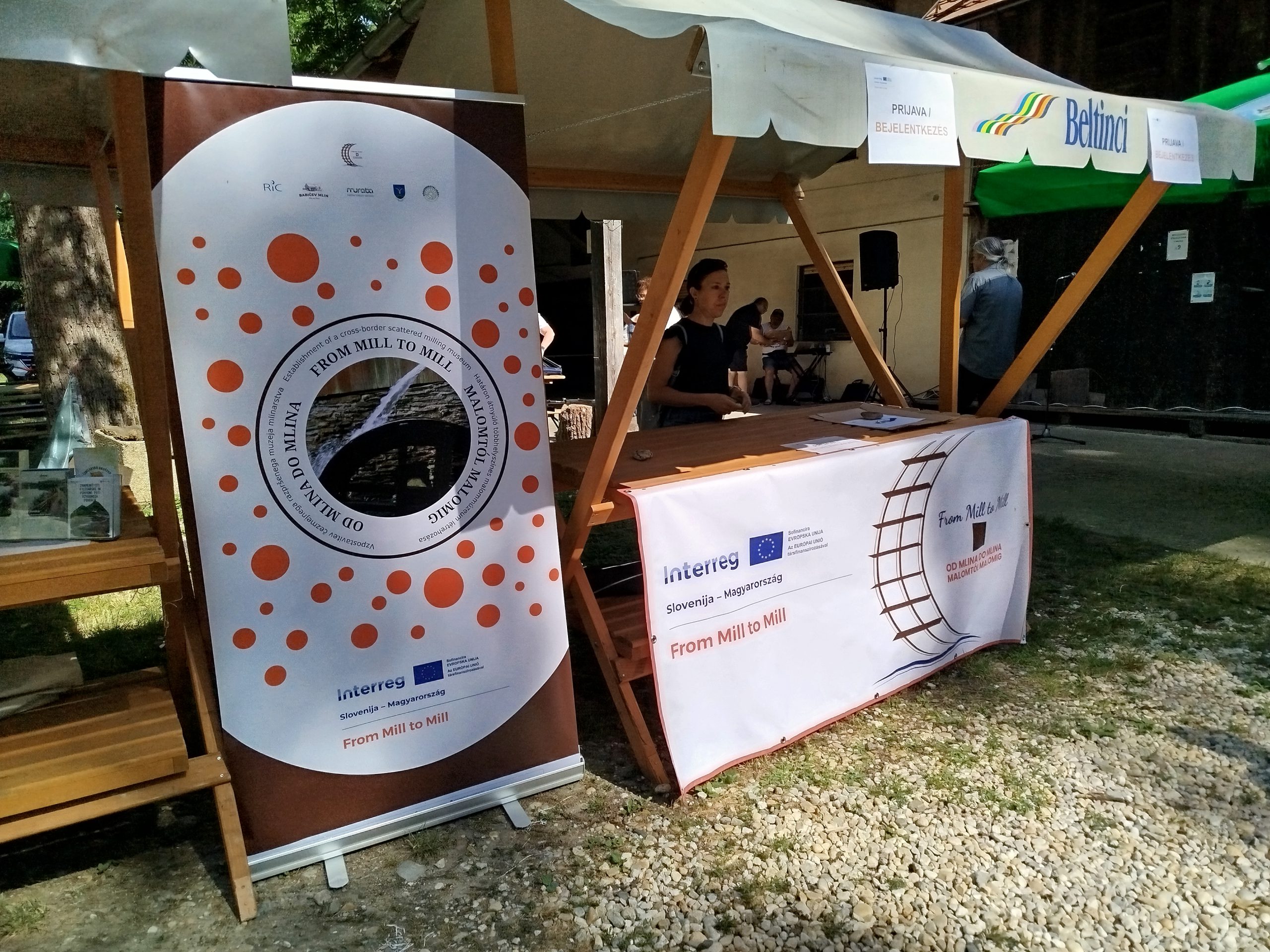
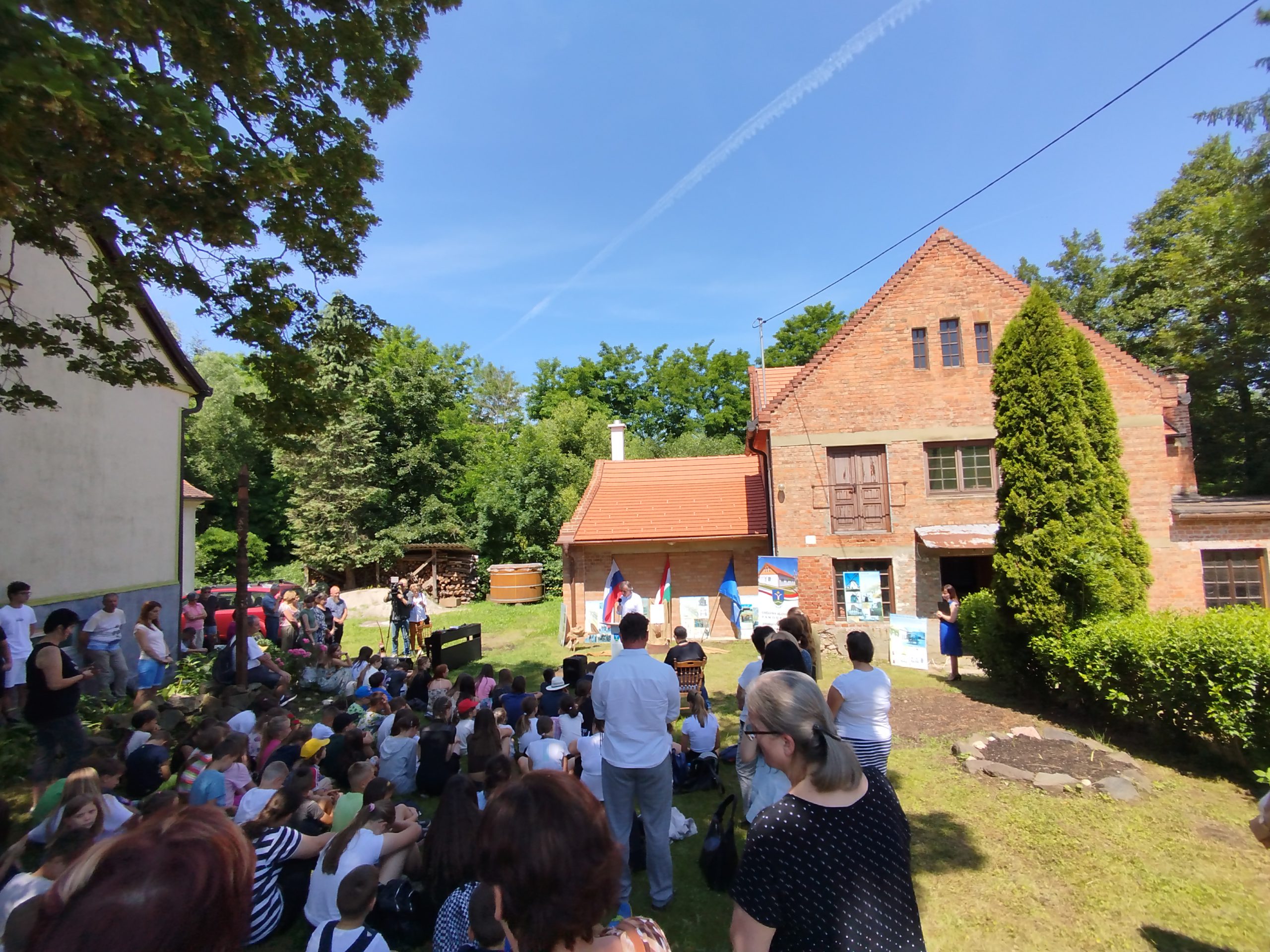
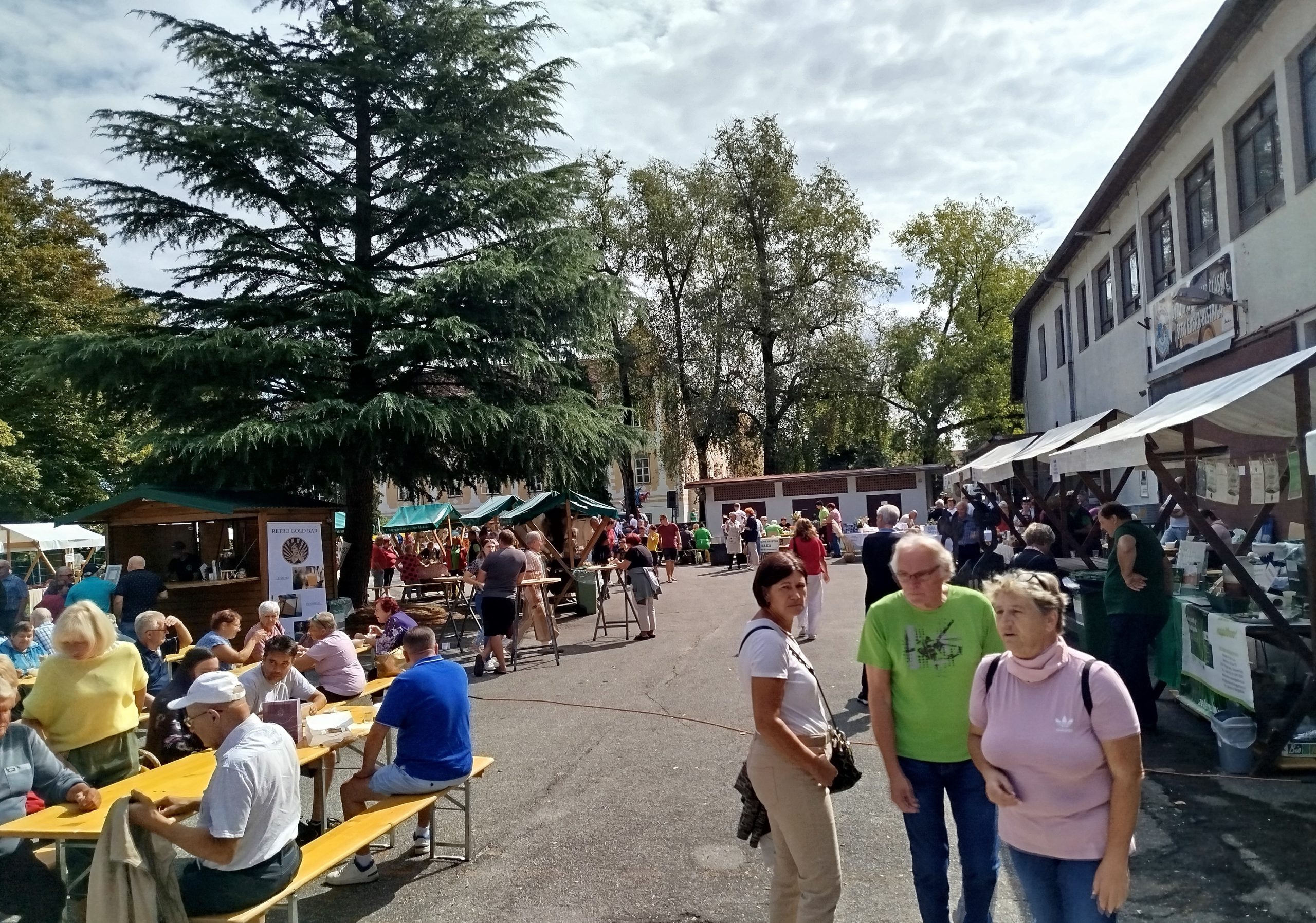
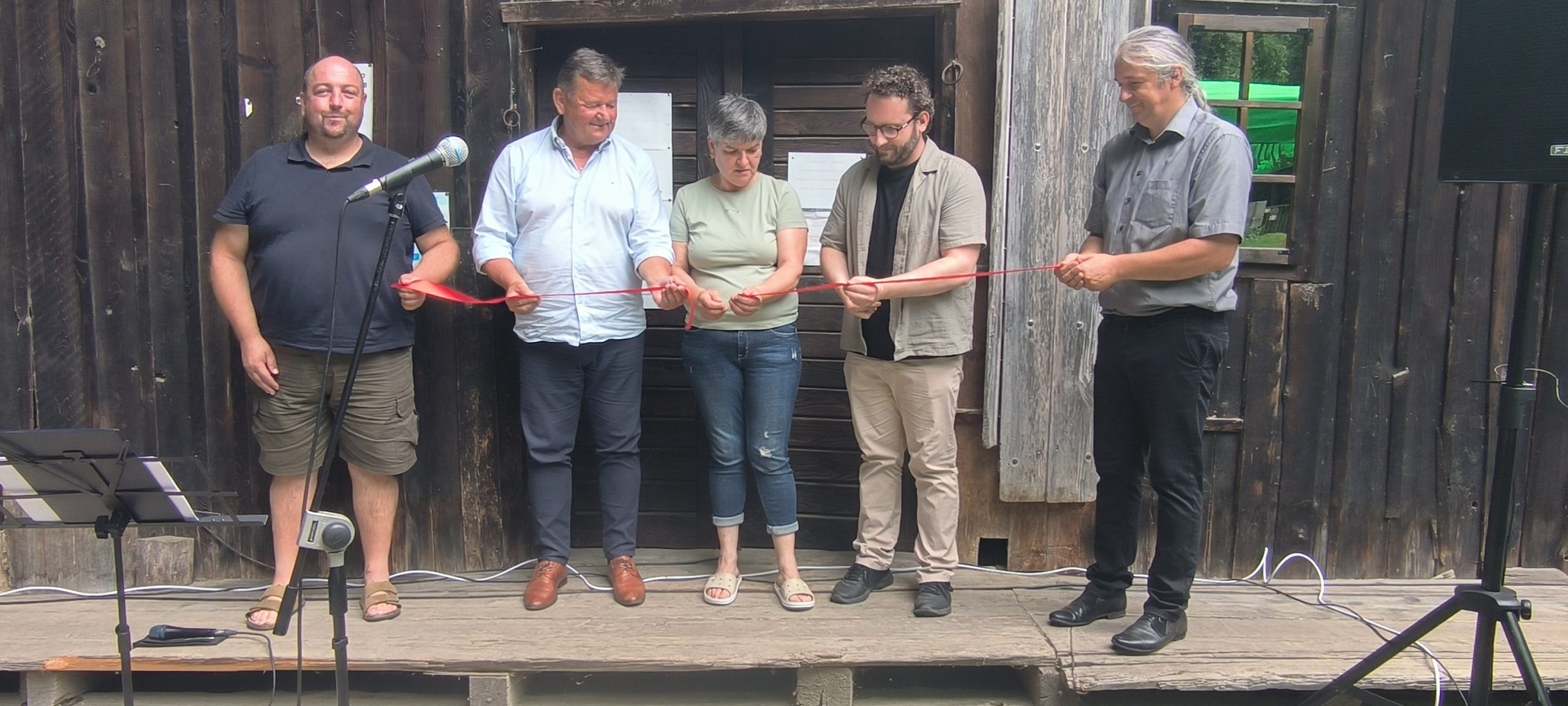
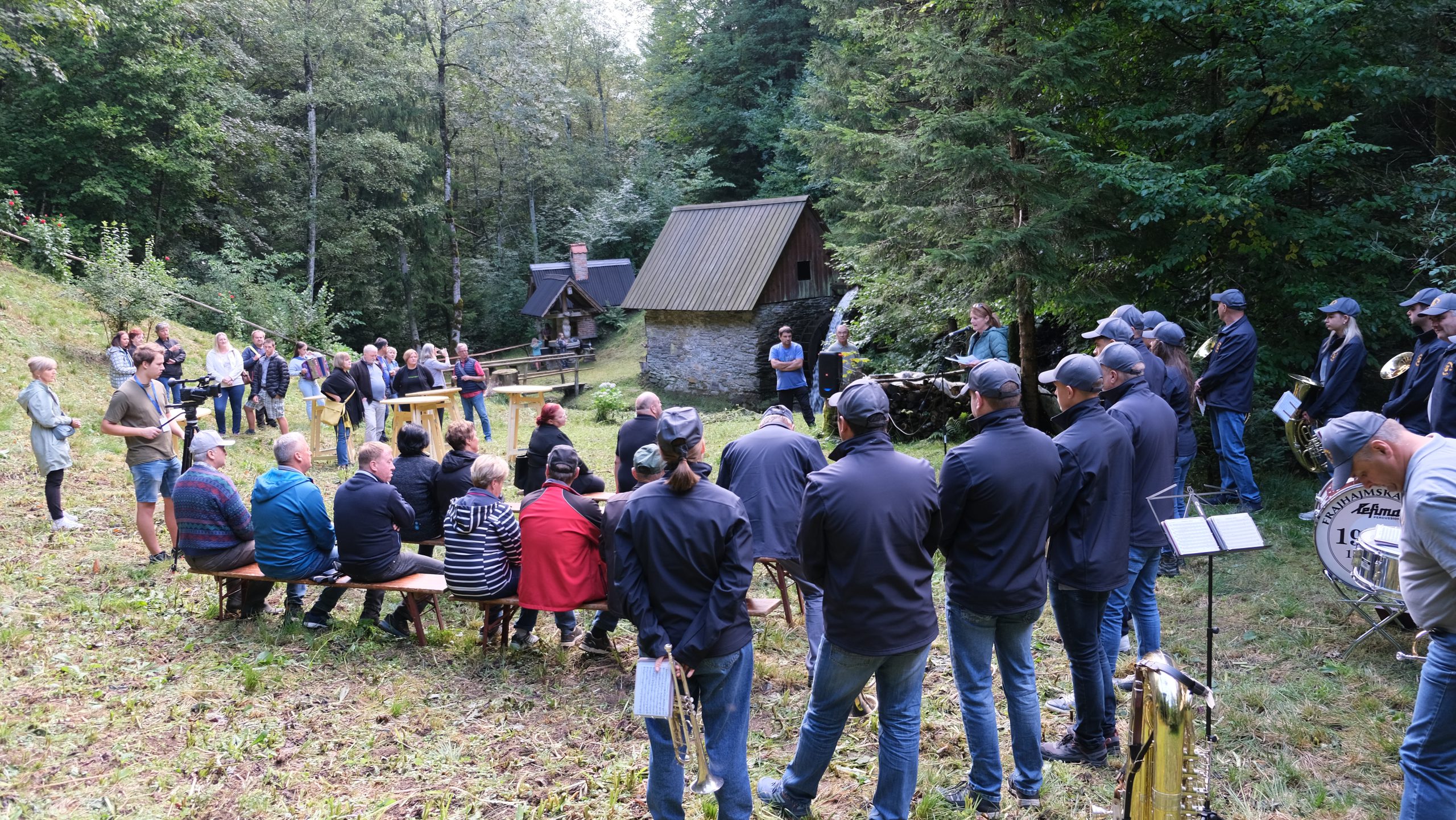
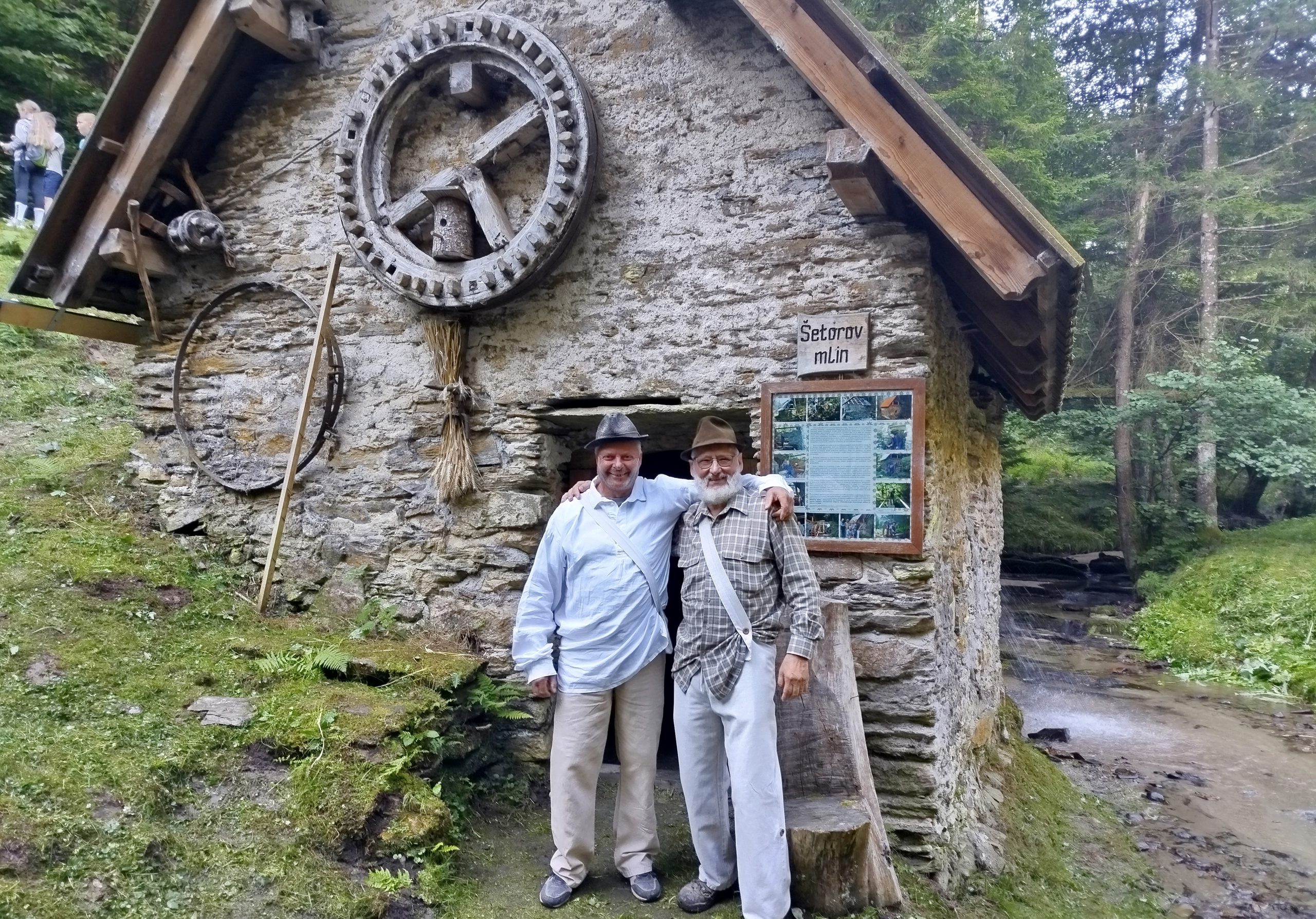
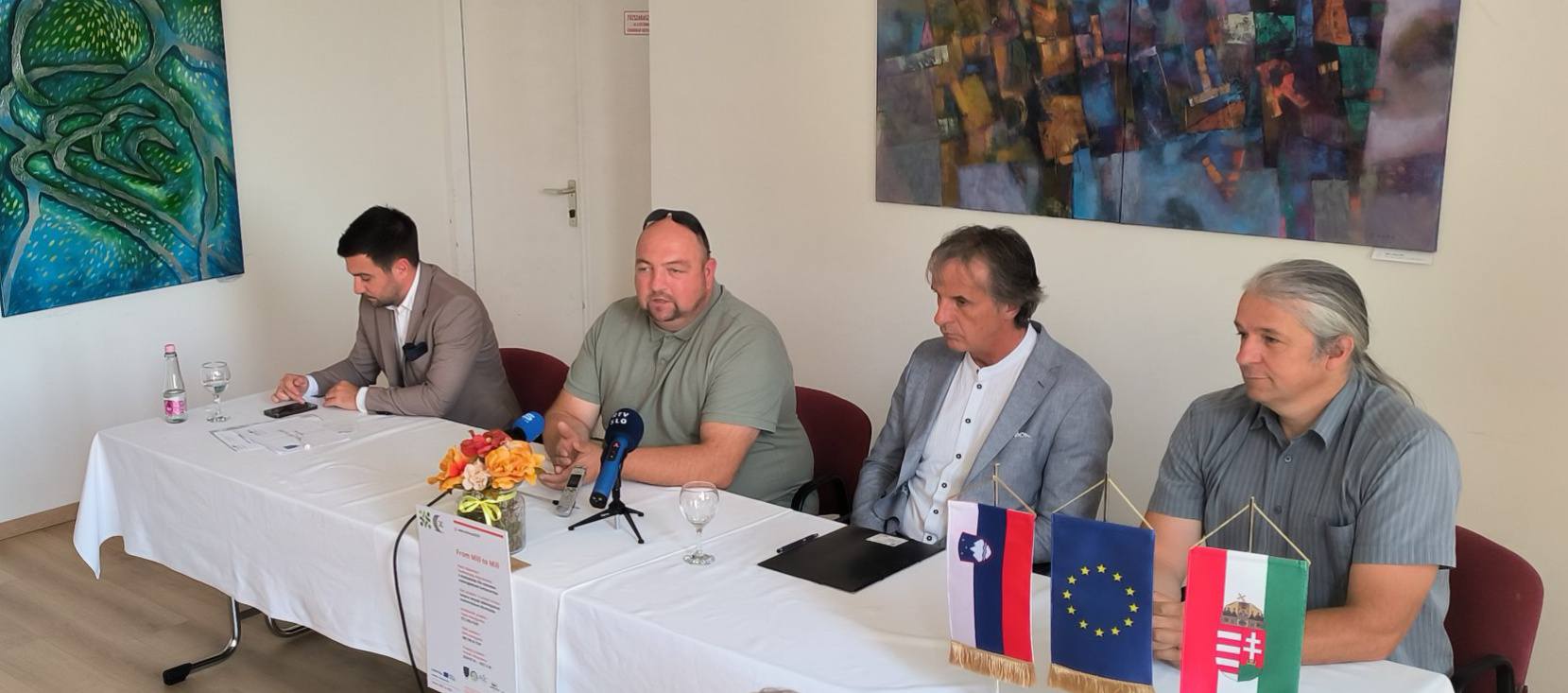
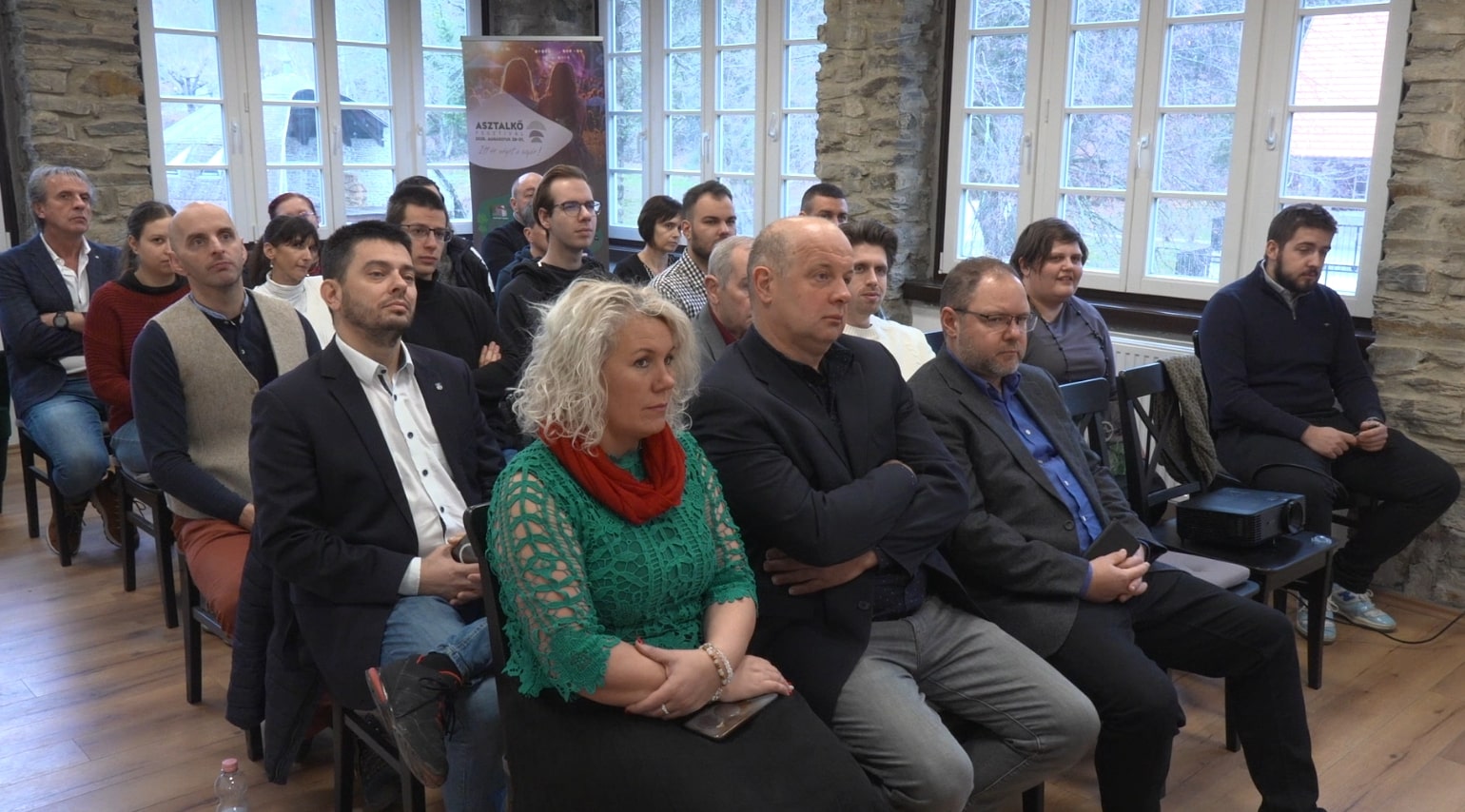
The project activities are strongly inclusive and connecting, as locals are quite attached to their mills, which is why local communities, associations, municipalities and individuals are involved in efforts to preserve them, and professional institutions and accompanying events also add a special touch. Last year, four major events were organized at various mills, where numerous visitors and organizations were able to learn about the From Mill to Mill project, while also learning about the stories of the mills and learning about the development of milling as a cultural heritage and its role in modern times. These were events at the mills in Felsőszölnök at the Filó mill (18.6.2025, approx. 80 visitors), in Šmartno na Pohorju at the Šetor mill (6.9.2025, approx. 80 visitors), at the Babič mill in Veržej (28.6.2025, approx. 100 visitors) and in Velem at the Stirling villa (16.12.2025, 30 visitors).
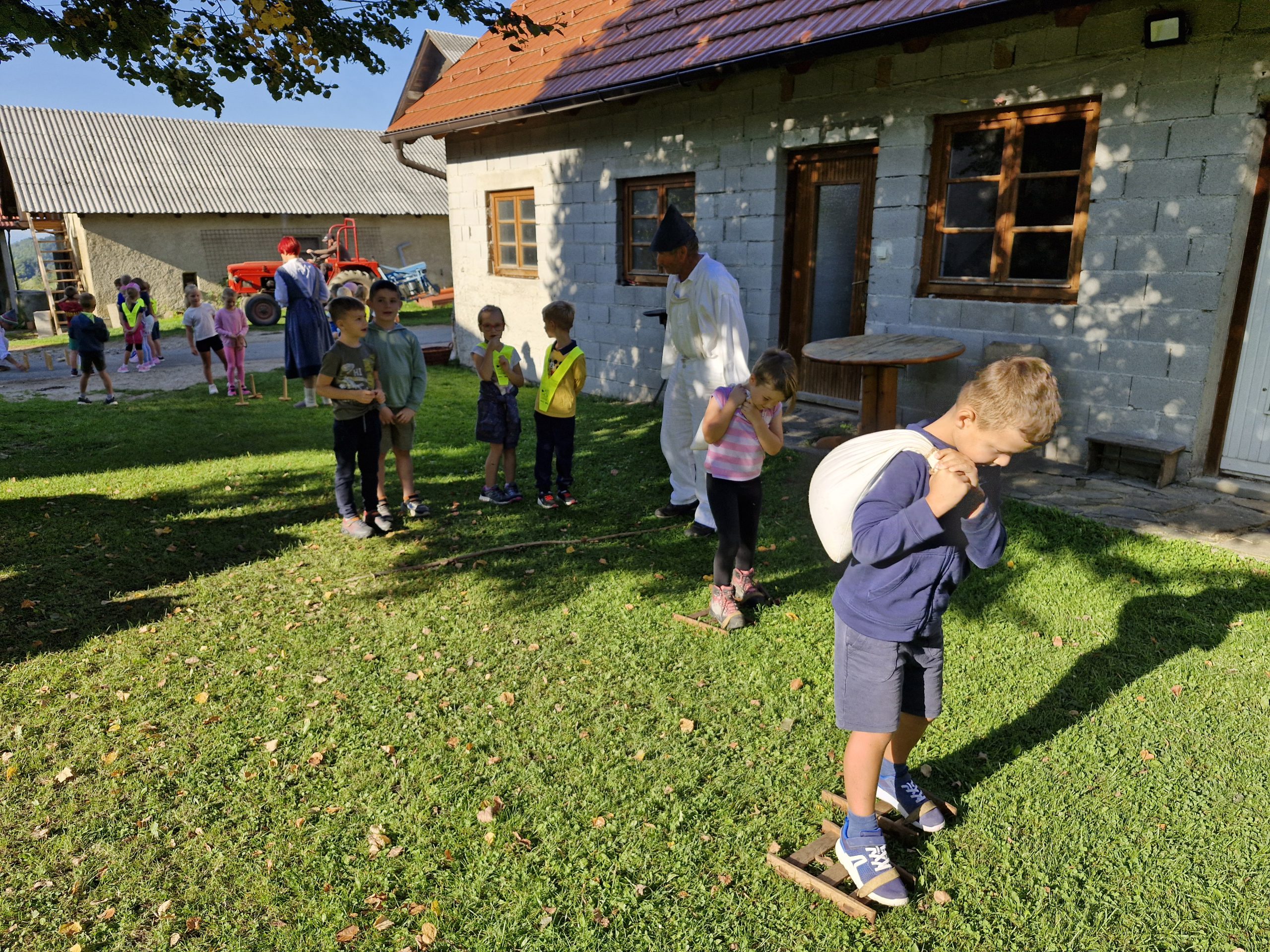
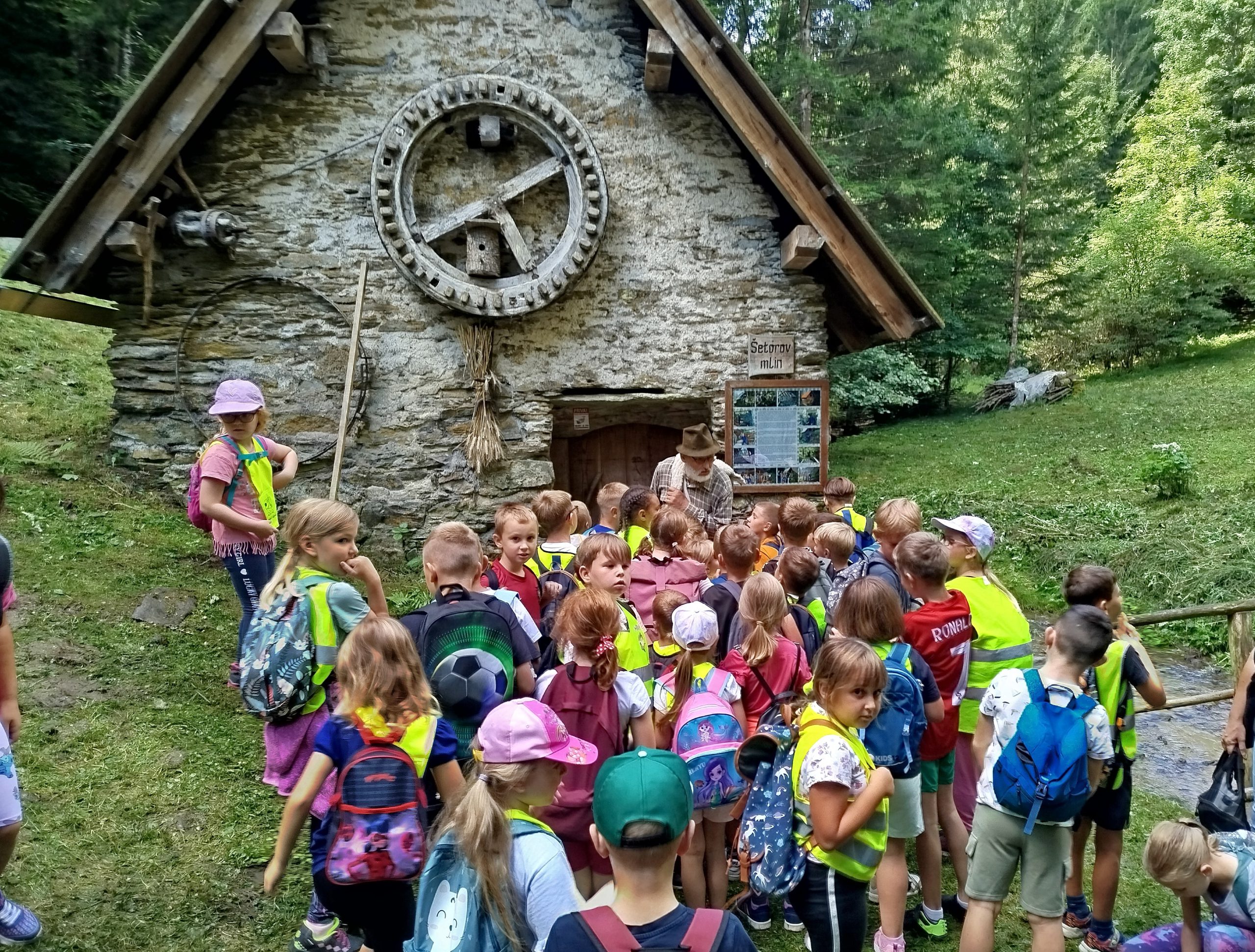
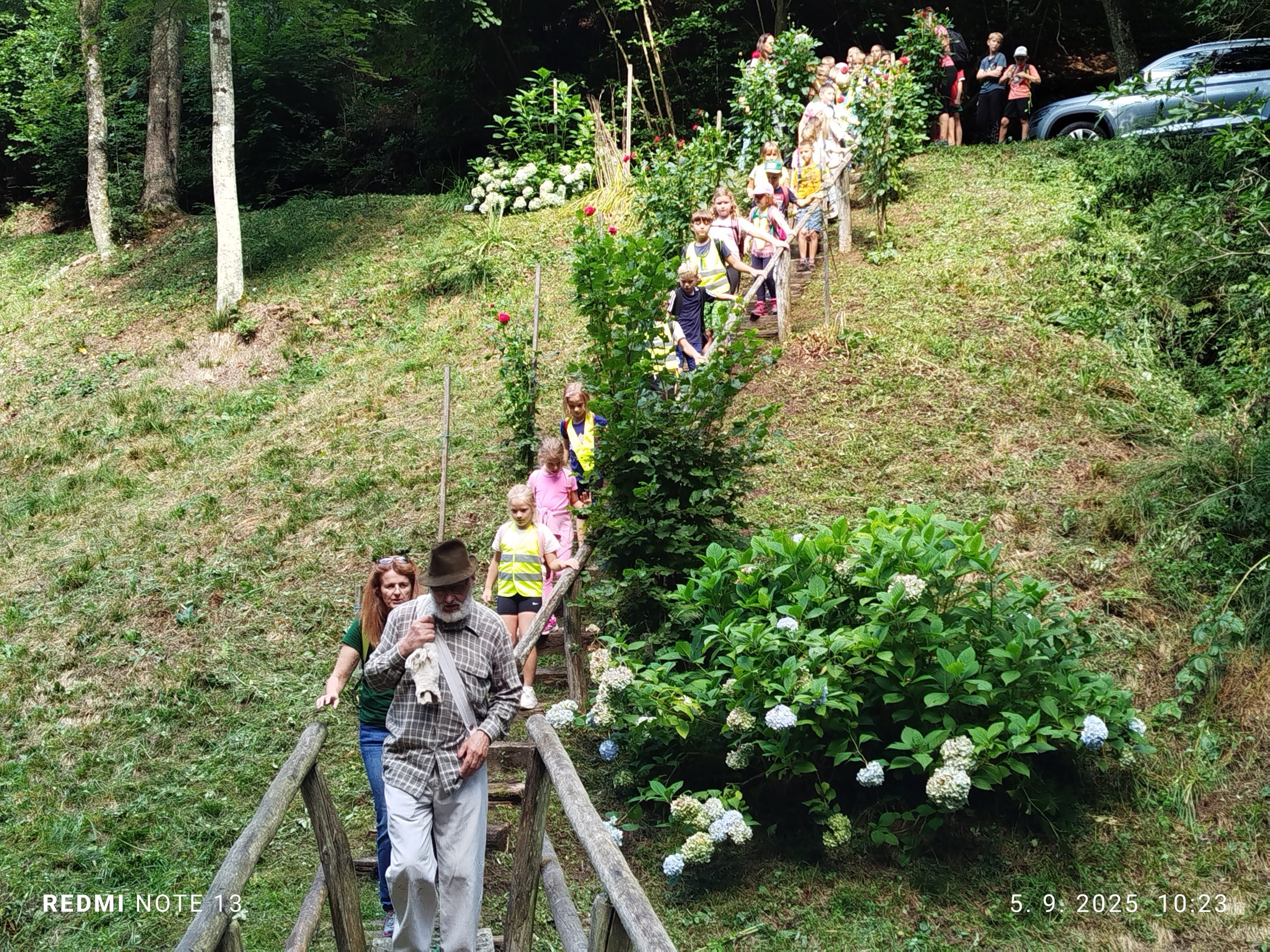
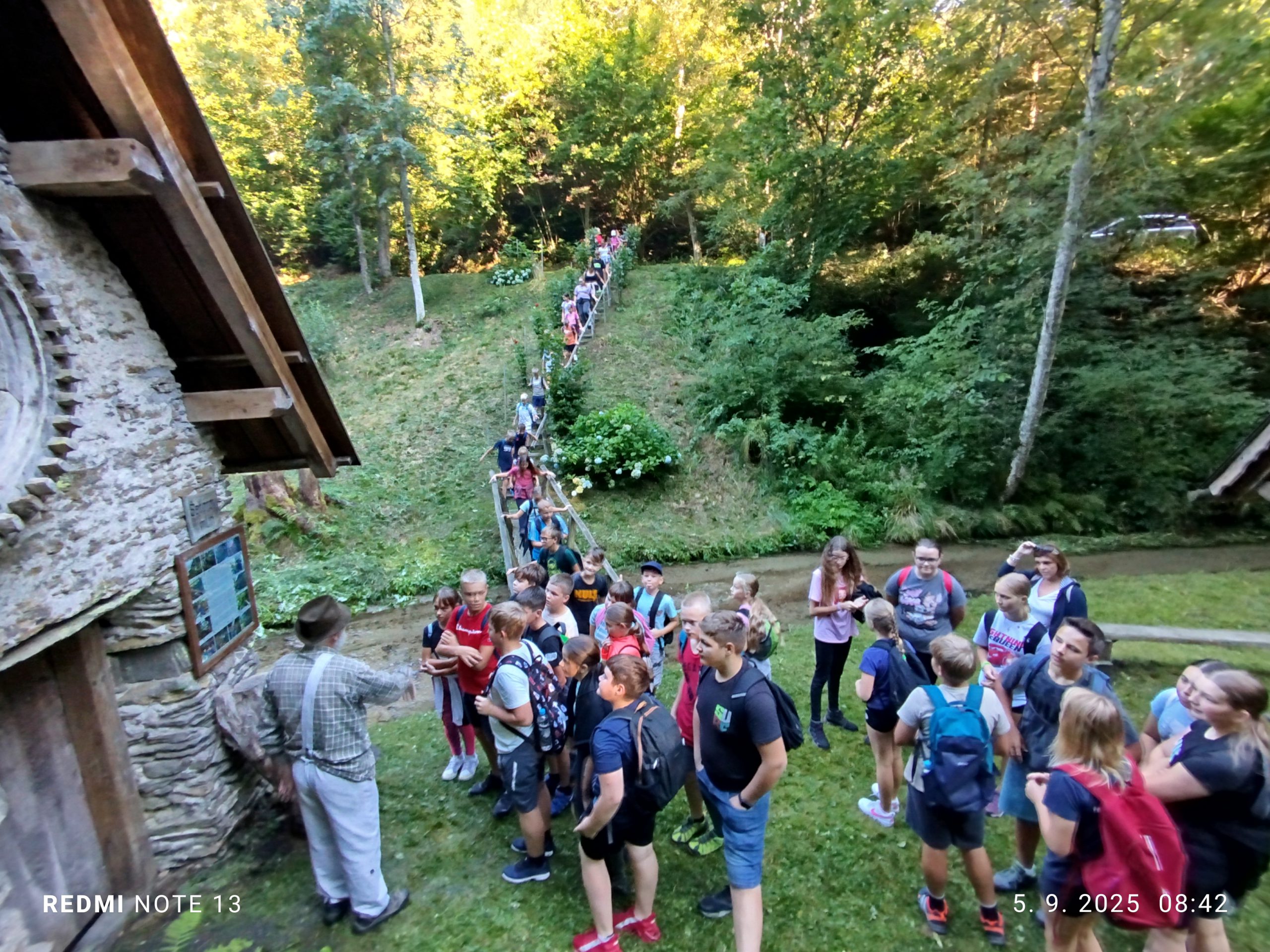
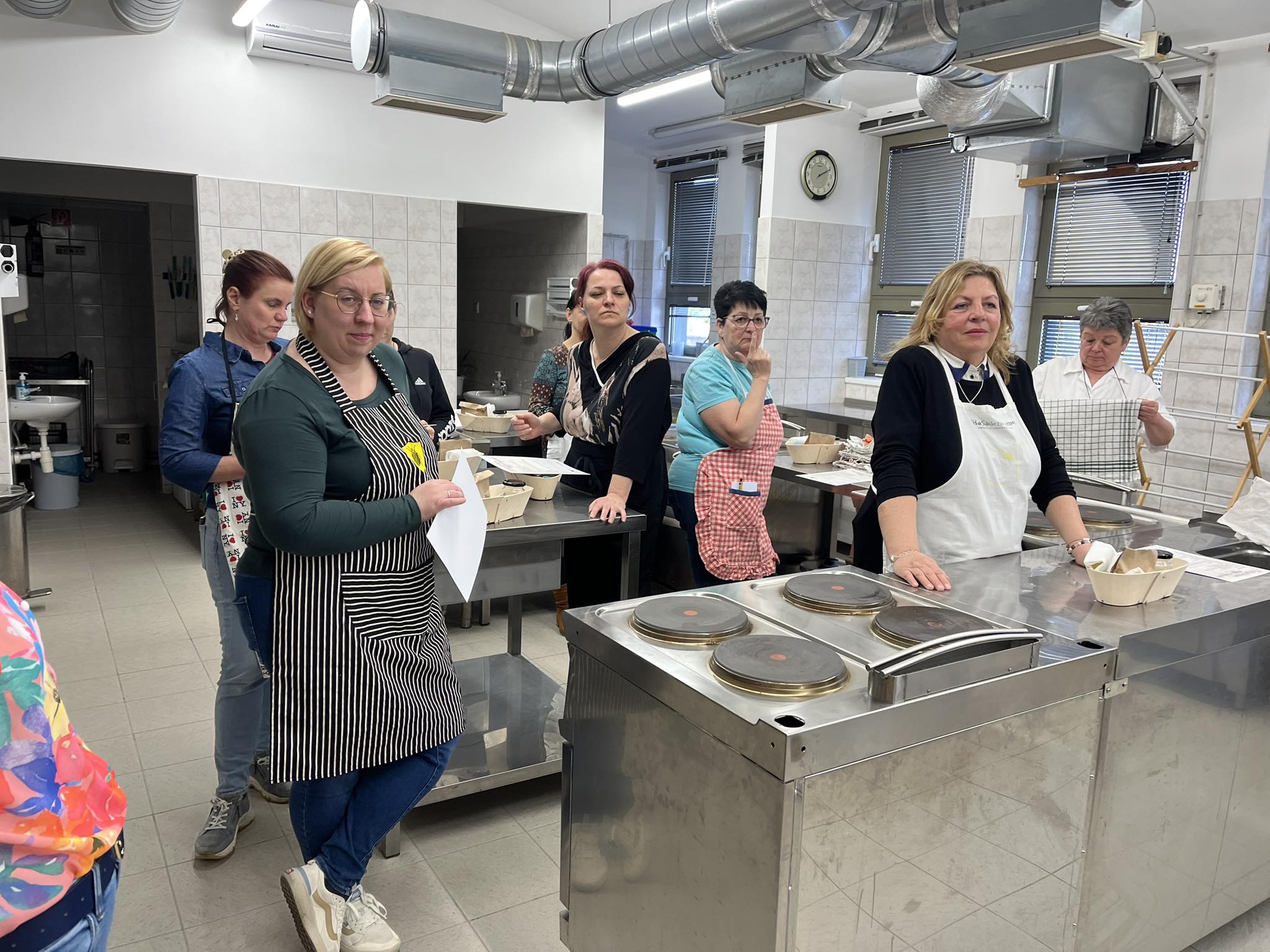
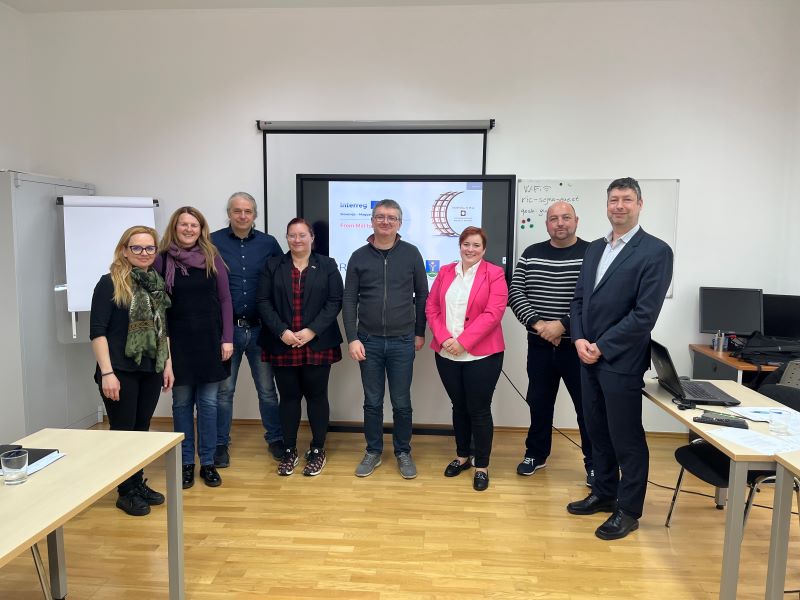
The younger generation was also very happy to learn about mills, as on September 5, 2025, a science and technology day was held at Šetor’s mill in Pohorje, which was attended by almost 100 elementary school students. Together with their mentors, they met real millers and were able to mill their own flour, from which they then baked bread at the Marolt homestead. Through such events, even more activities for young people will be prepared in the project area, which will include the transfer of knowledge about cultural heritage, tours of the mills and numerous educational contents that will also be interesting for teachers and mill owners. In March 2026, these contents will be upgraded with training for potential guides and interpreters on technical heritage, with an emphasis on milling. In this way, the knowledge and experience of tourism stakeholders will be connected, which represents an exceptional potential for the development of new ideas on how to bring mills even closer to people in modern times.
The foundations for the future are laid
In order for the mills themselves and their stories to live on, the project partners established the Association of the Scattered Mill Museum of Slovenia and Hungary, where they formalized their cooperation and commitment to promote the preservation and development of existing mills from both a historical and a touristic perspective. It is the first such association in the world, and was founded in Velem (Hungary), in the famous Stirling Villa, which has hosted many important statesmen and events throughout history, so we can find a lot of symbolism here about the importance of the event itself.
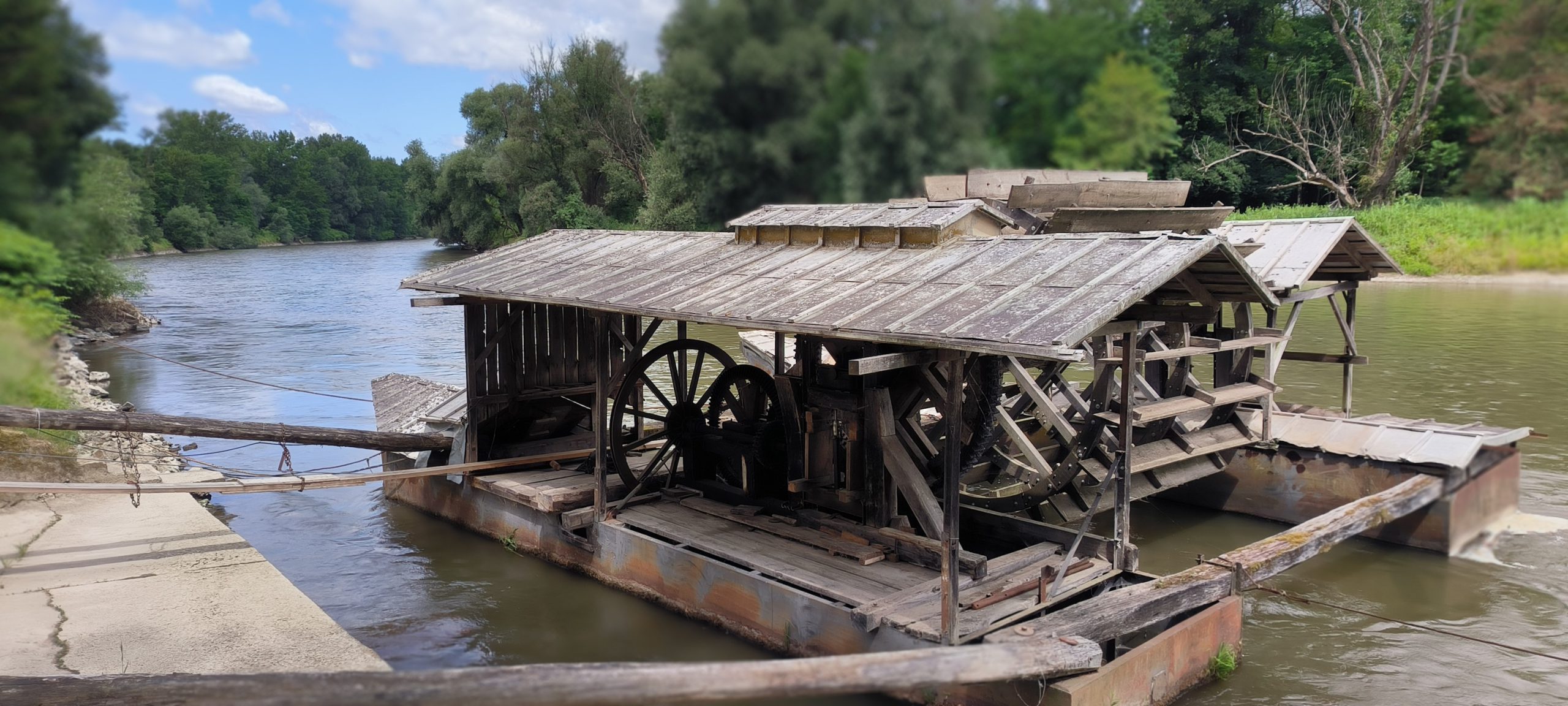
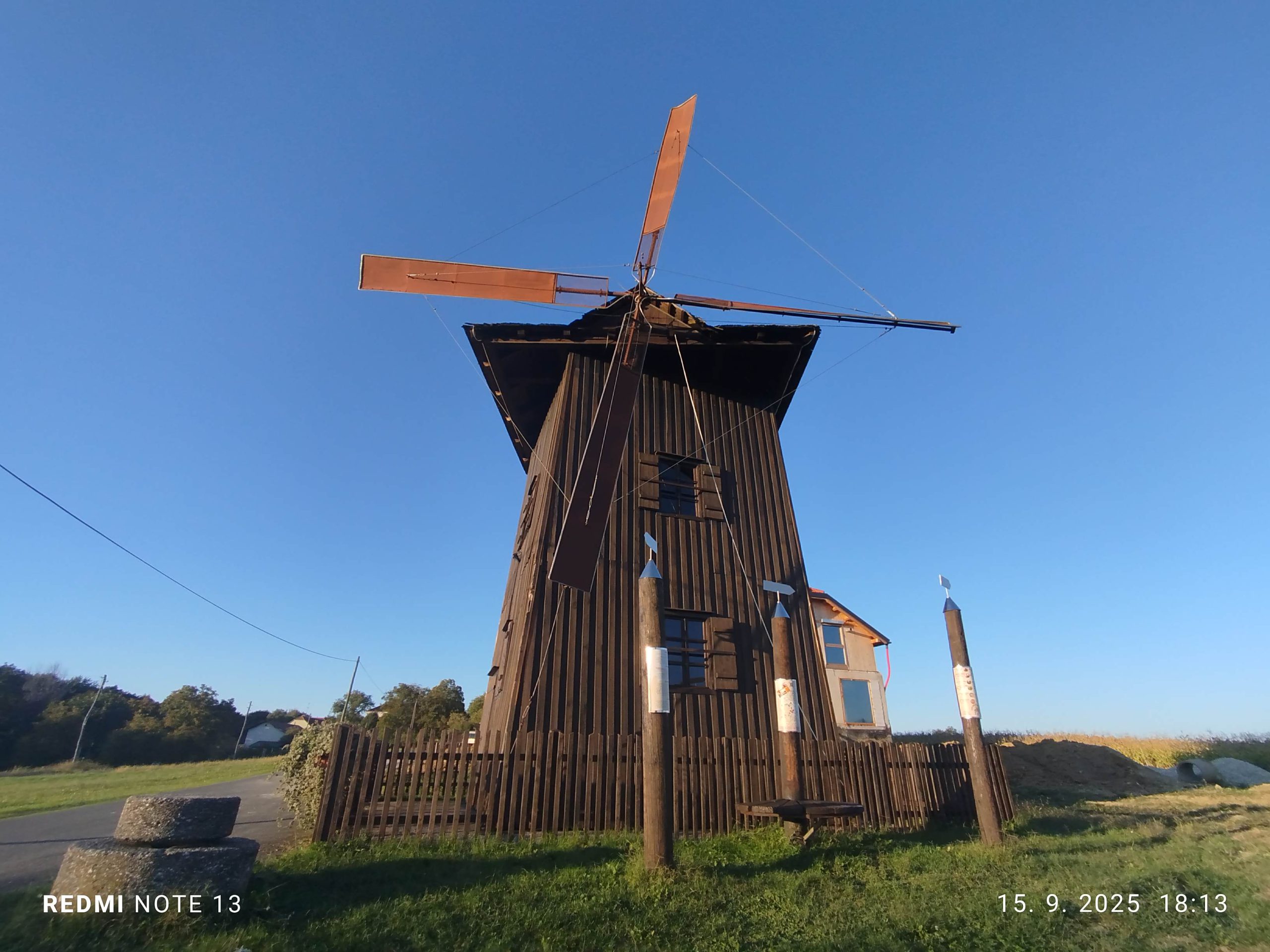
Numerous media contributions and TV reports have been of great help in identifying the mills in the region, and 13 mills have already joined the basic initiative: Jakec mill (Zg. Ložnica), Šetor mill (Šmartno na Pohorju), wind mill (Stara Gora), Slomšek mill (Razkrižje), Kolenko mill (Gornja Bistrica), floating mill on the Mura (Ižakovci), Babič mill (Veržej), Dajč mill (Sotina), Pütar mill (Dolnji Slaveči), Frček mill (Gornji Slaveči), Žido-Lenaršič mill (Markovci), Filó mill (Felsőszölnök) and Fűrész mill (Velem). These mills will also be presented in a trilingual monograph, which was prepared at the end of 2025, and in the future this number is expected to increase further.
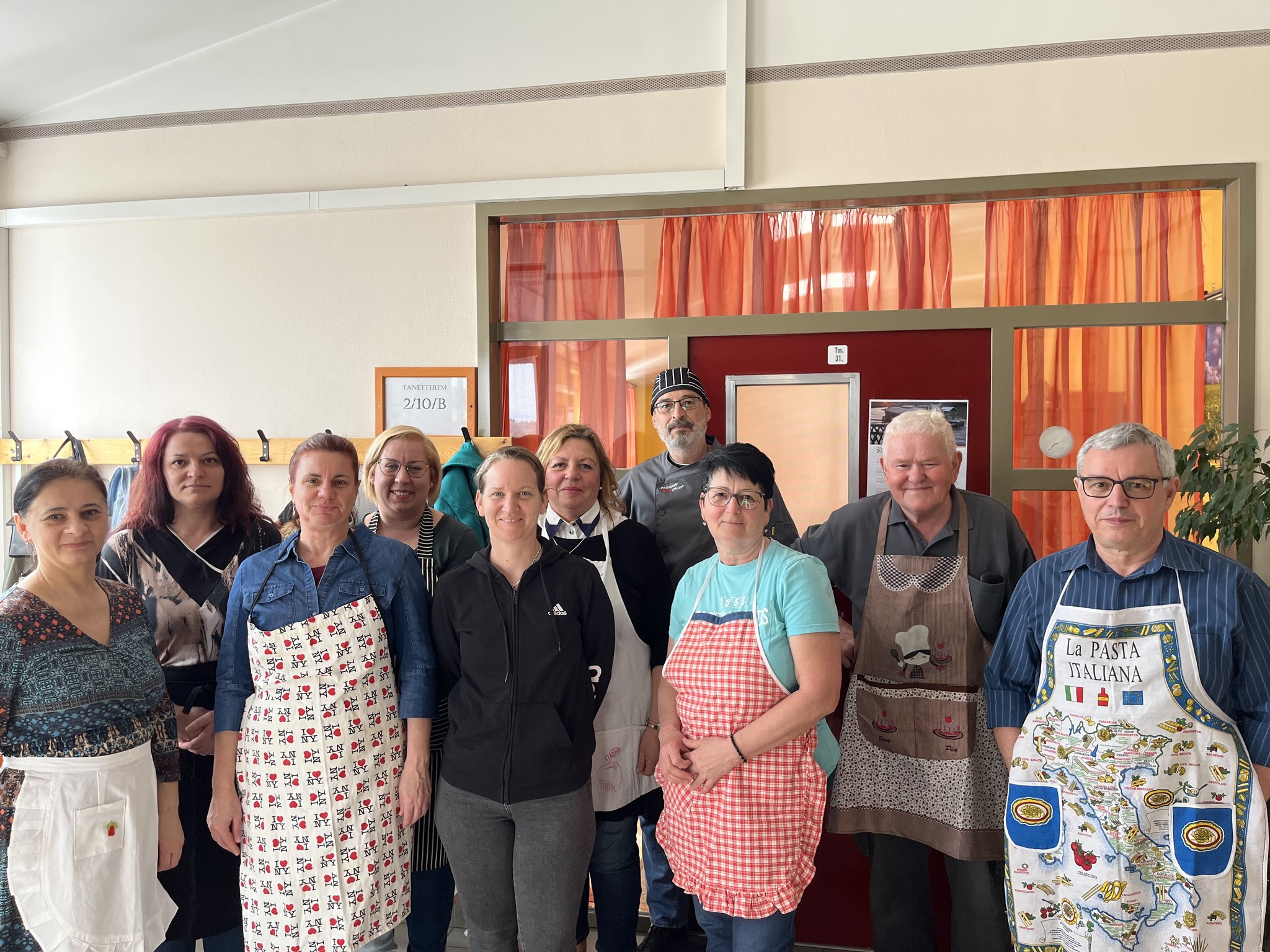
In 2026, six additional presentation events will be organised at the mills, accompanied by promotional materials. In addition, guide training is planned for the spring, during which participants from the mills will receive certification to present milling stories and technical heritage as part of newly developed tourist content designed to engage the public. In this way, the project partnership wants to give the mills a new role in modern times and connect professional organizations, local residents and tourism stakeholders to jointly preserve this technical heritage.
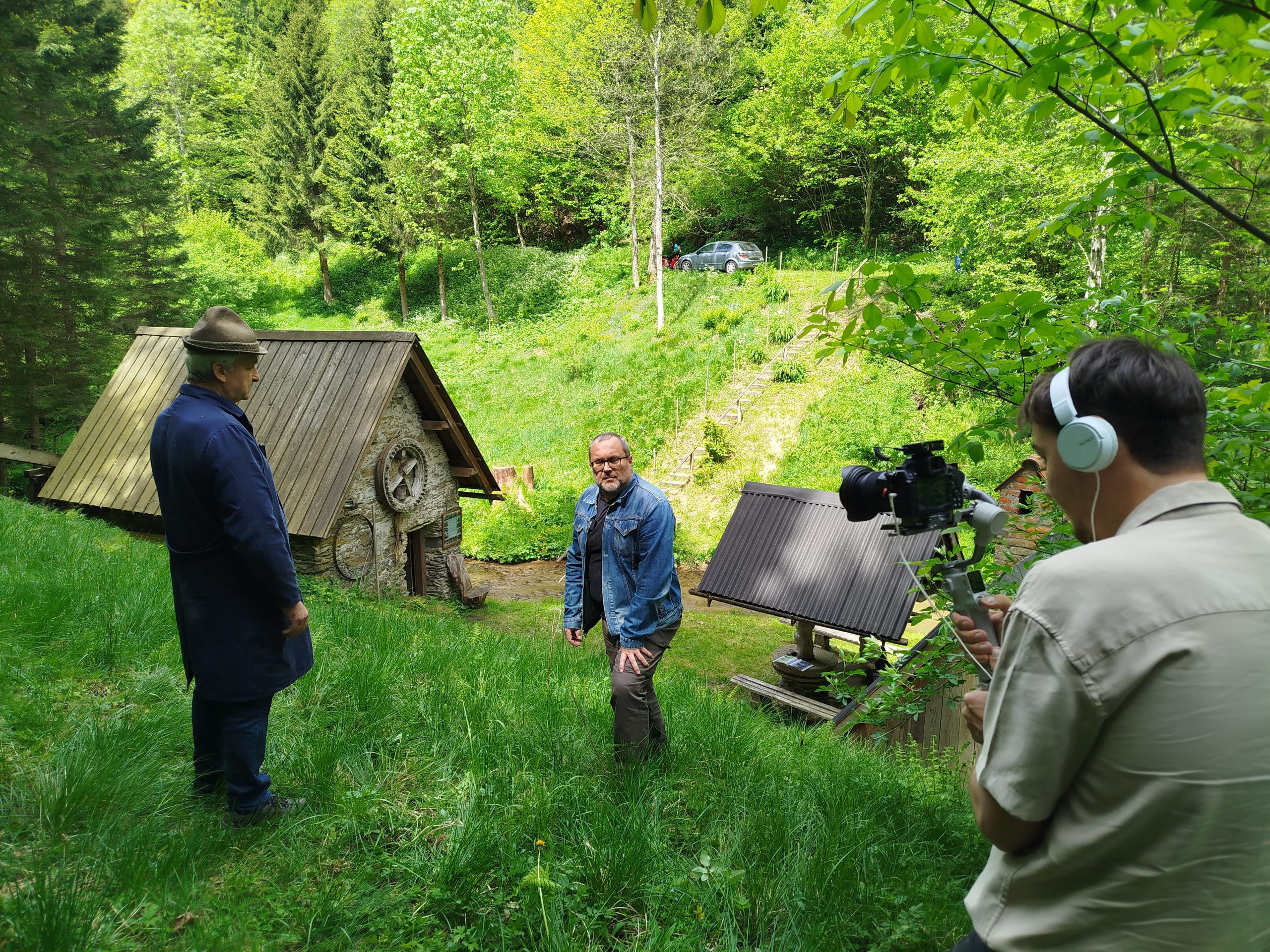
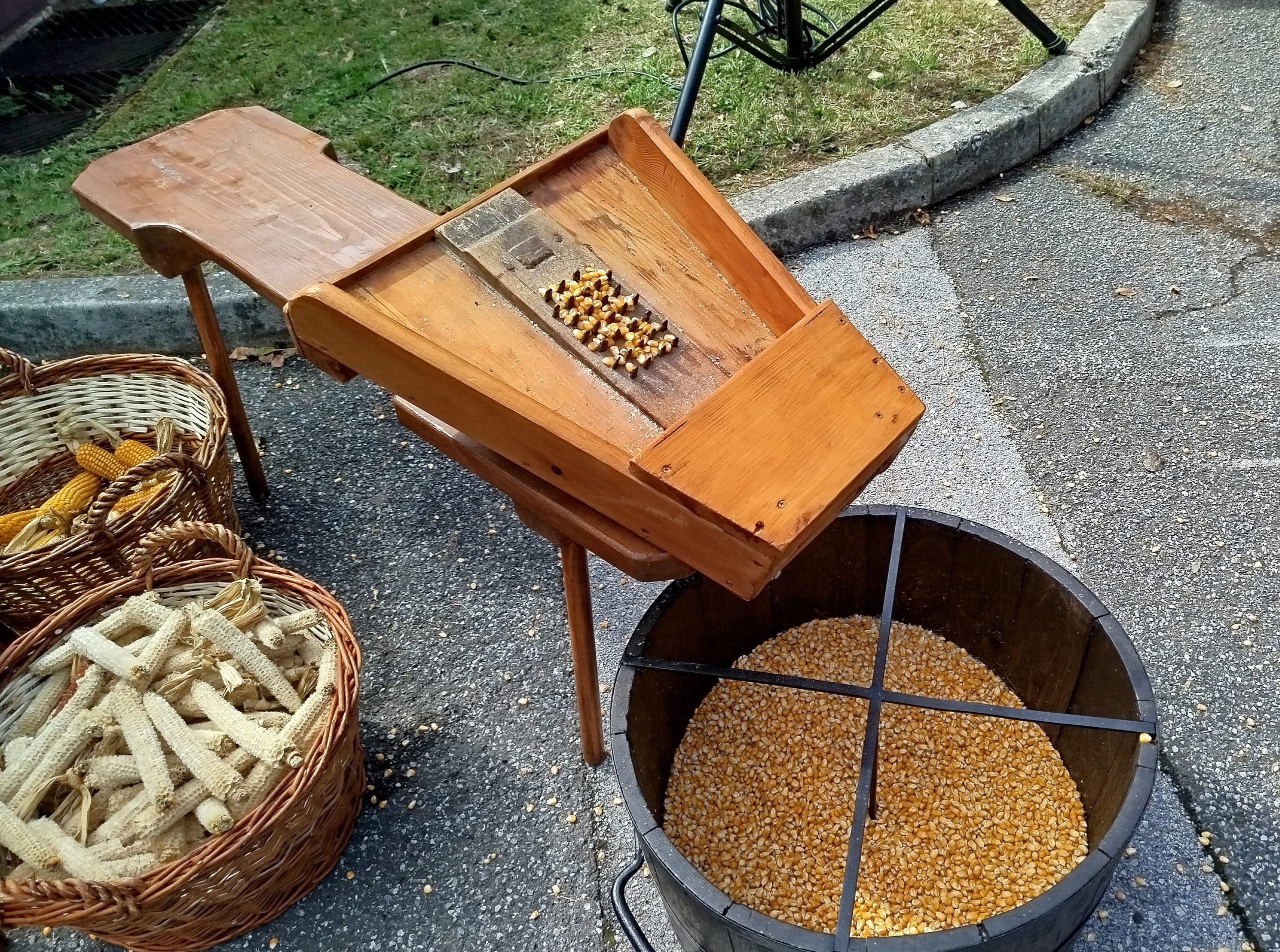
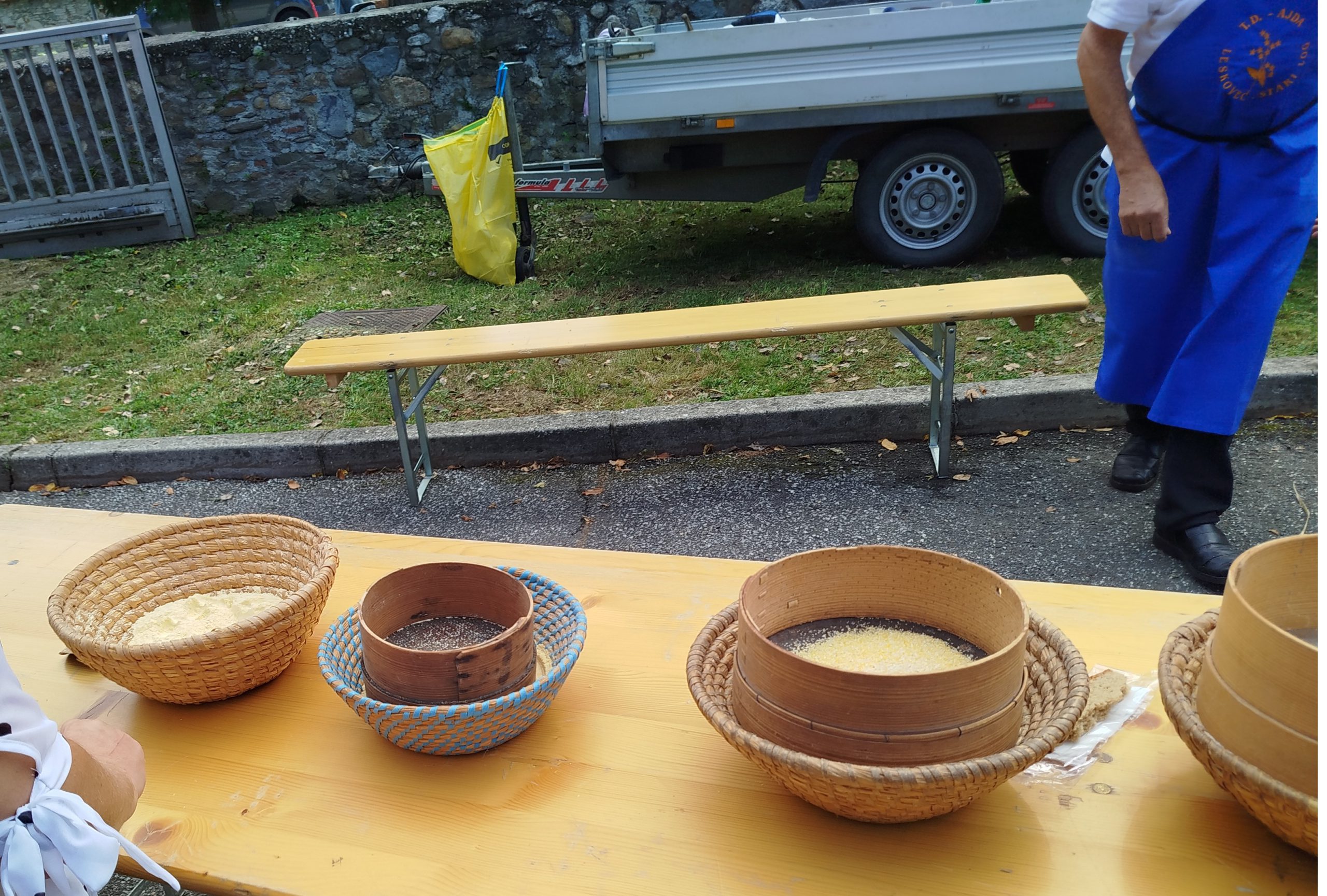
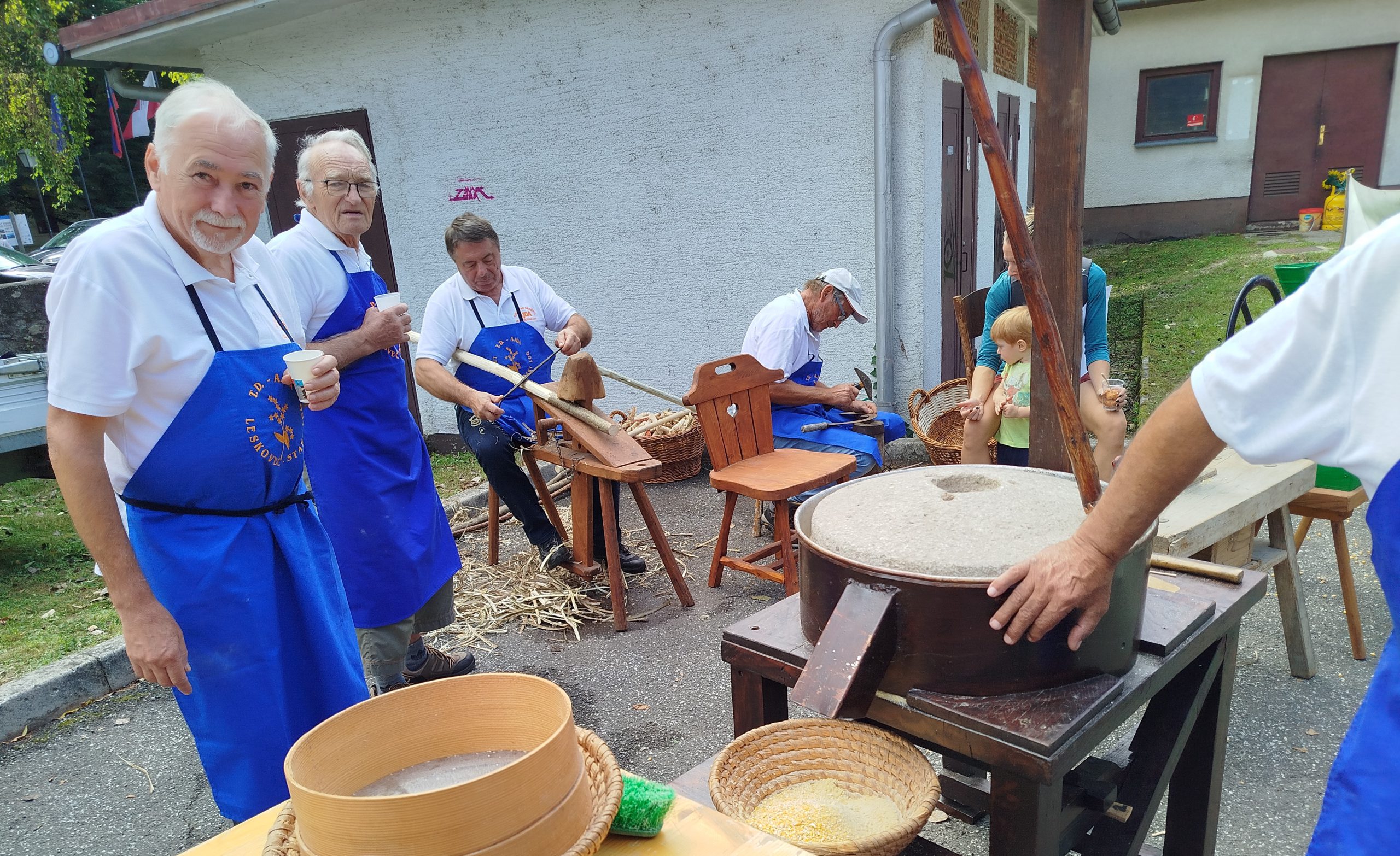
Photos by From Mill to Mill



Leave A Comment