



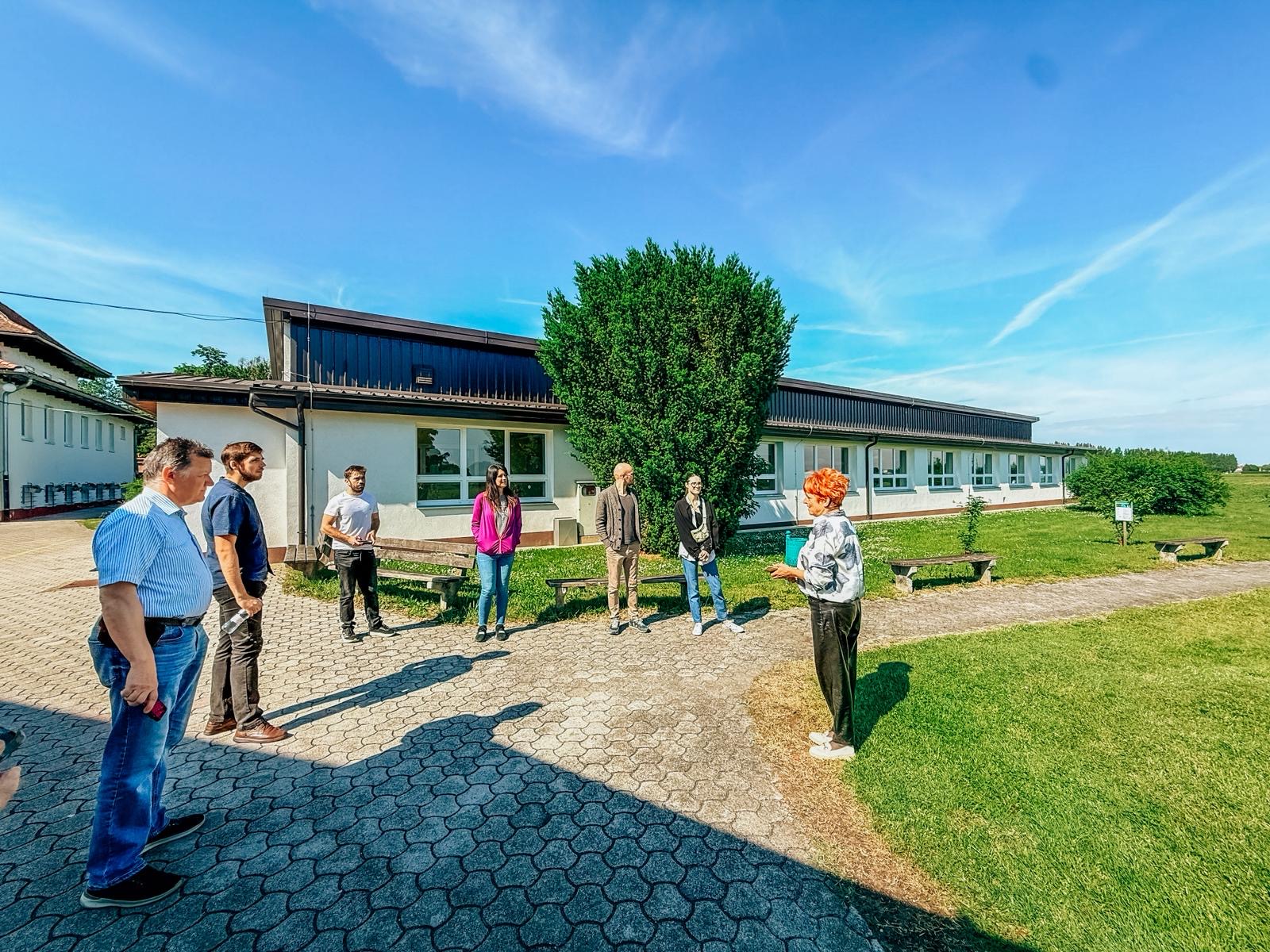
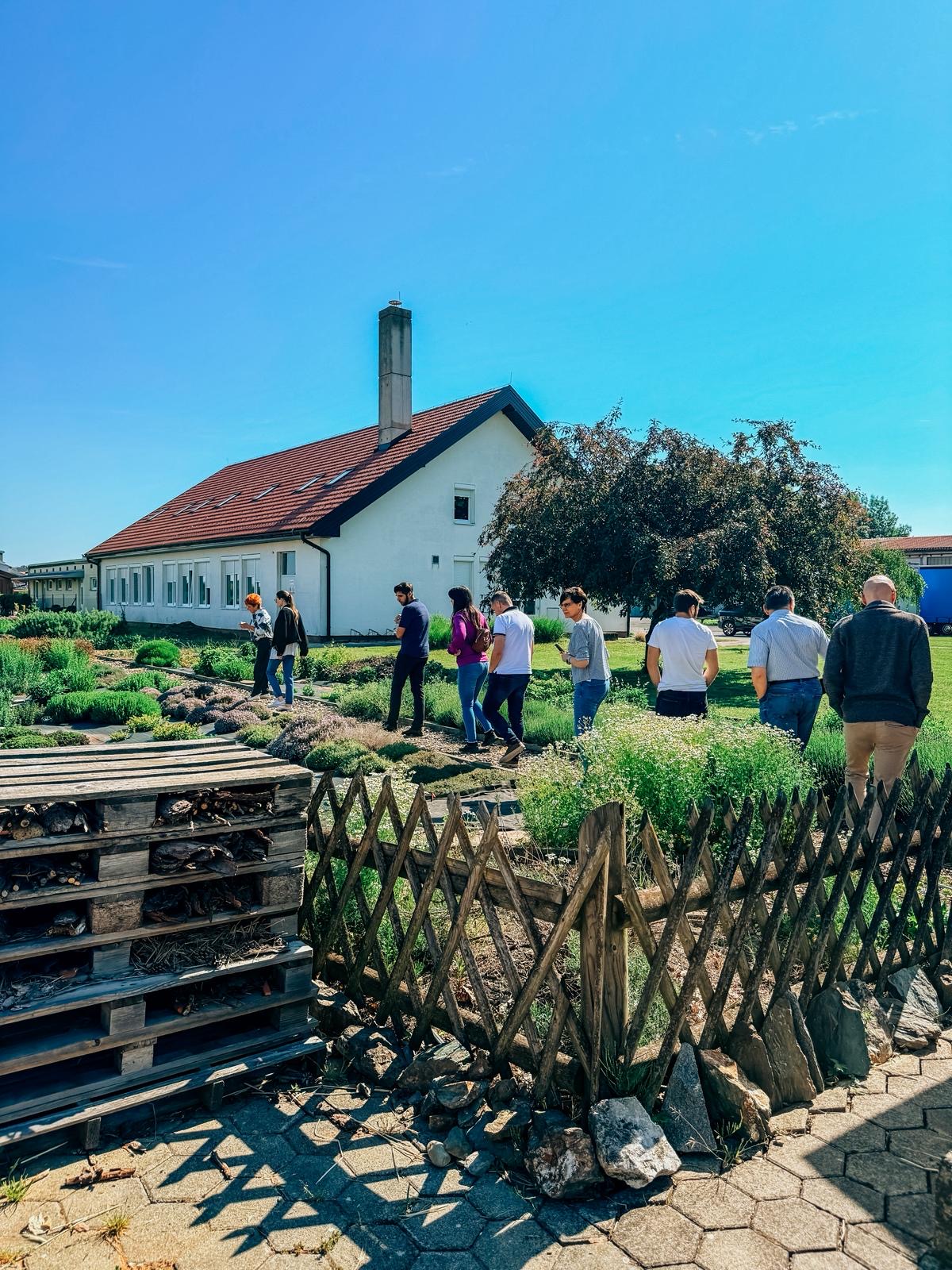
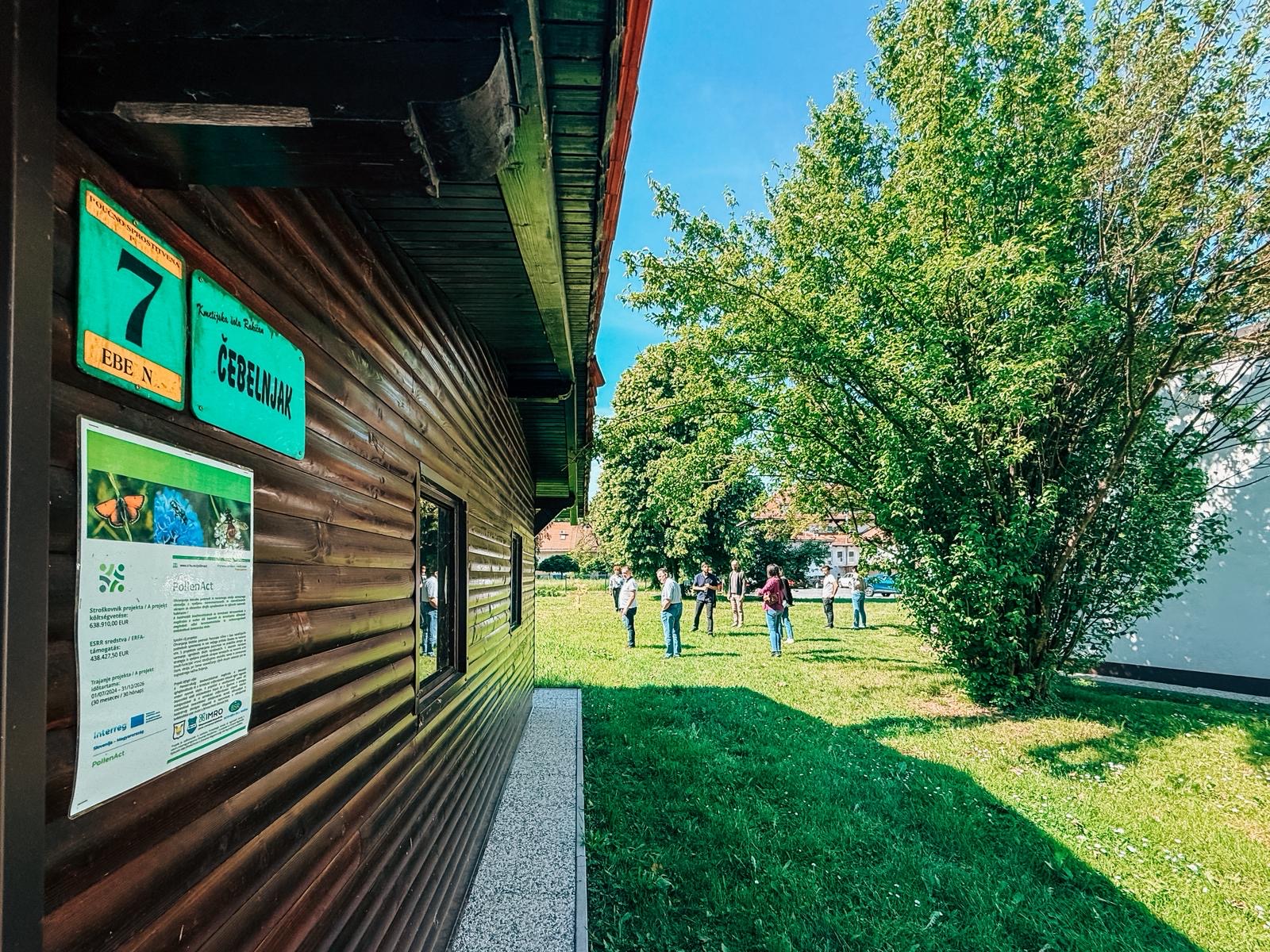
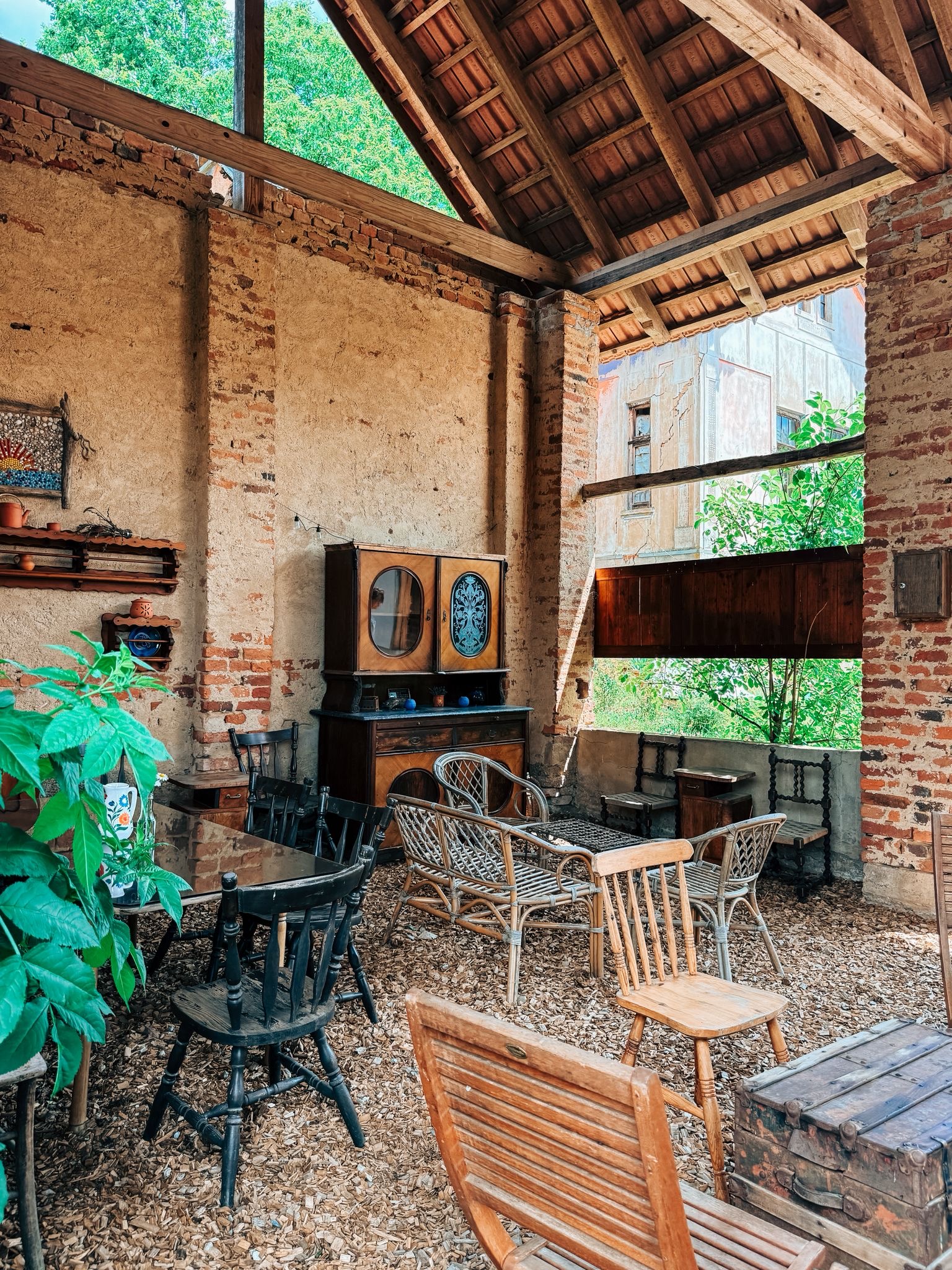
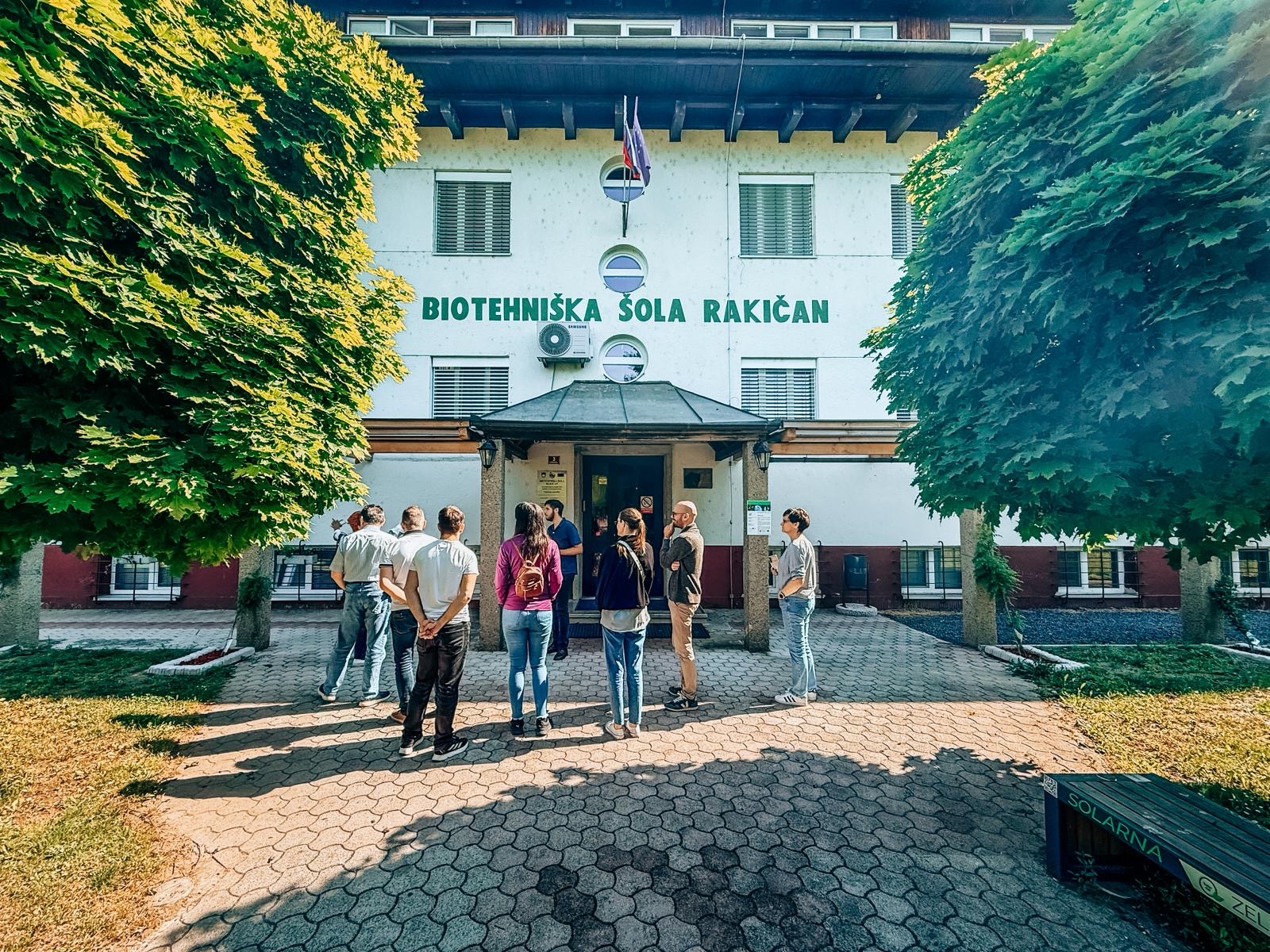
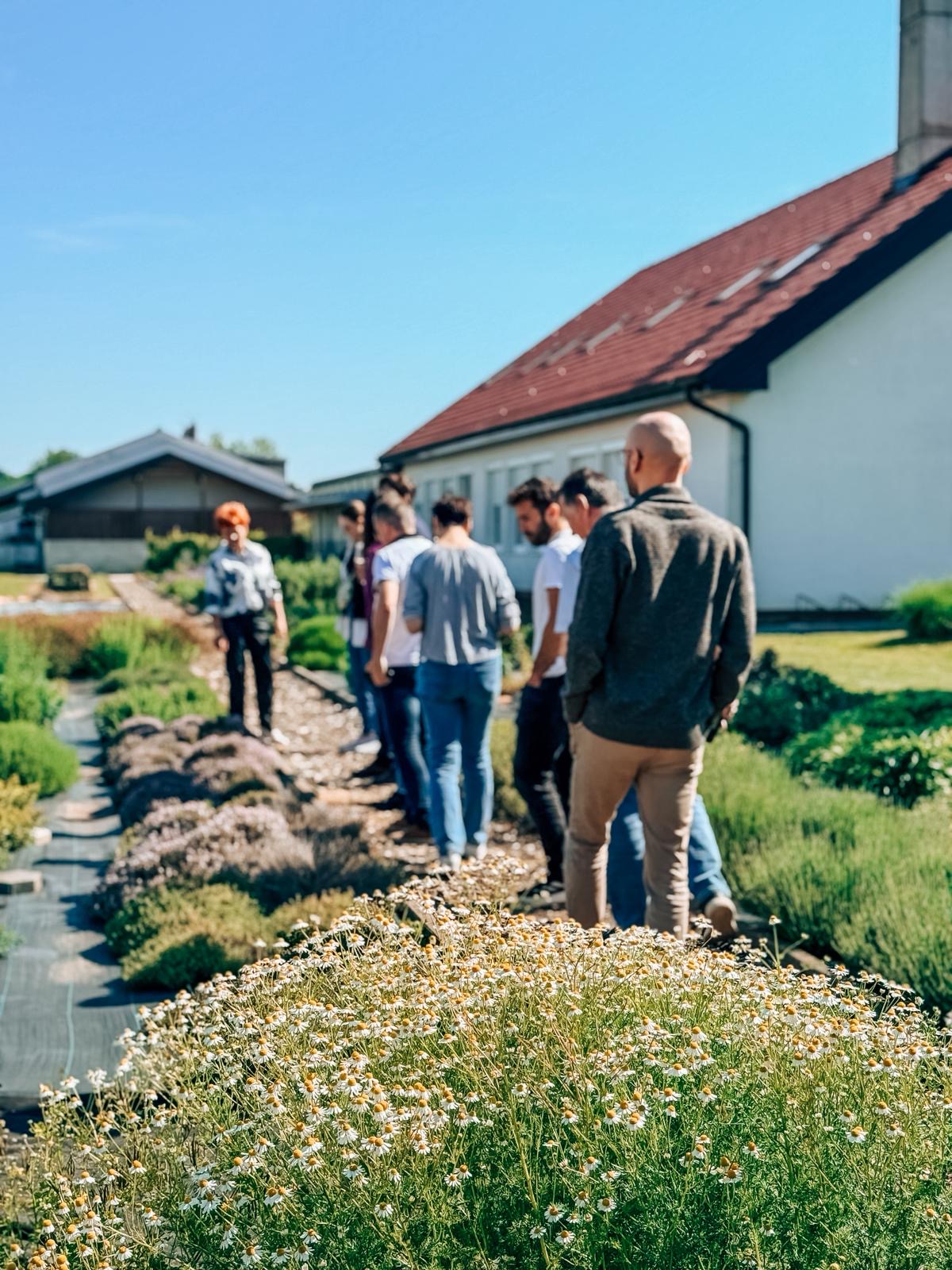
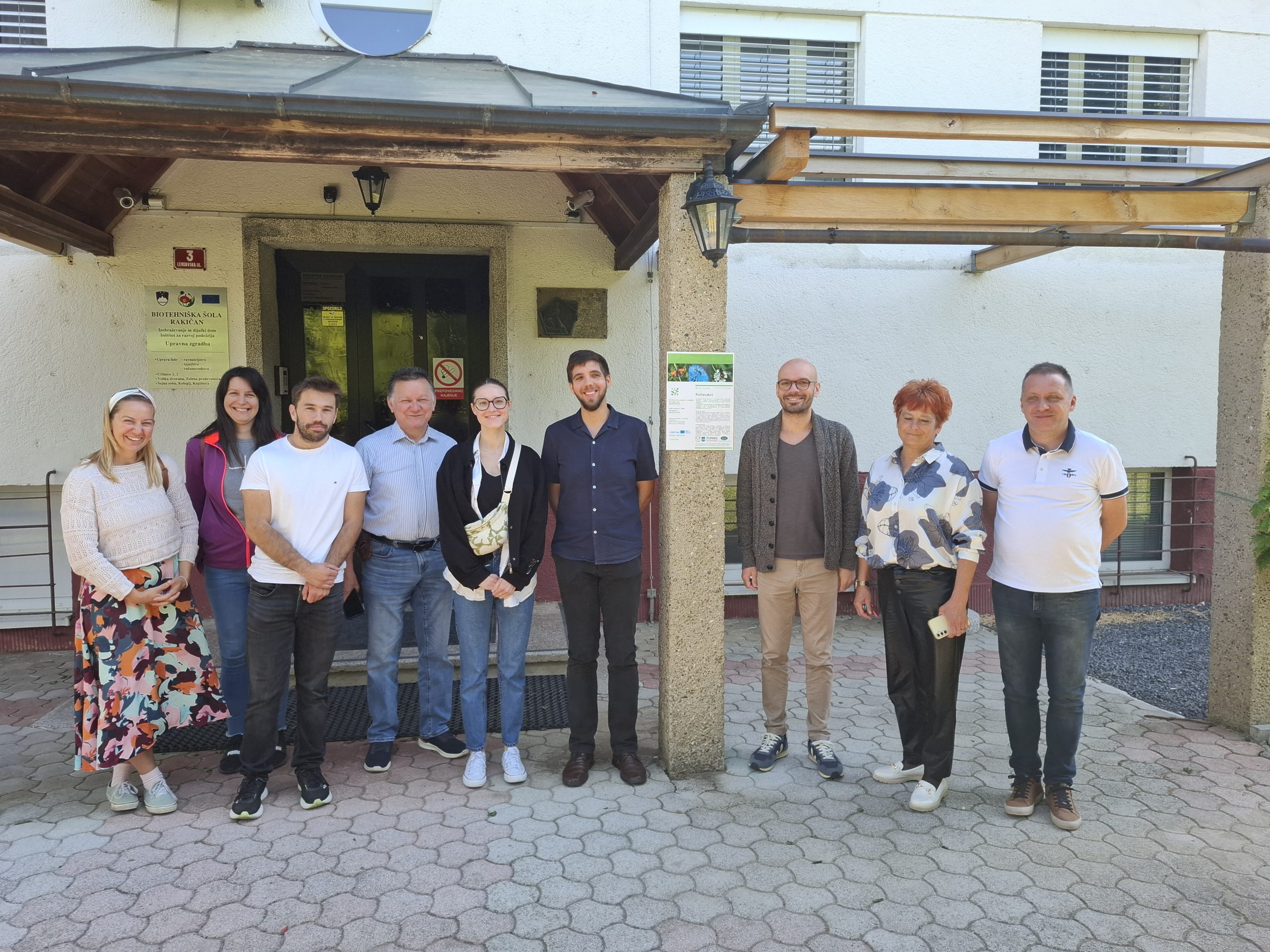
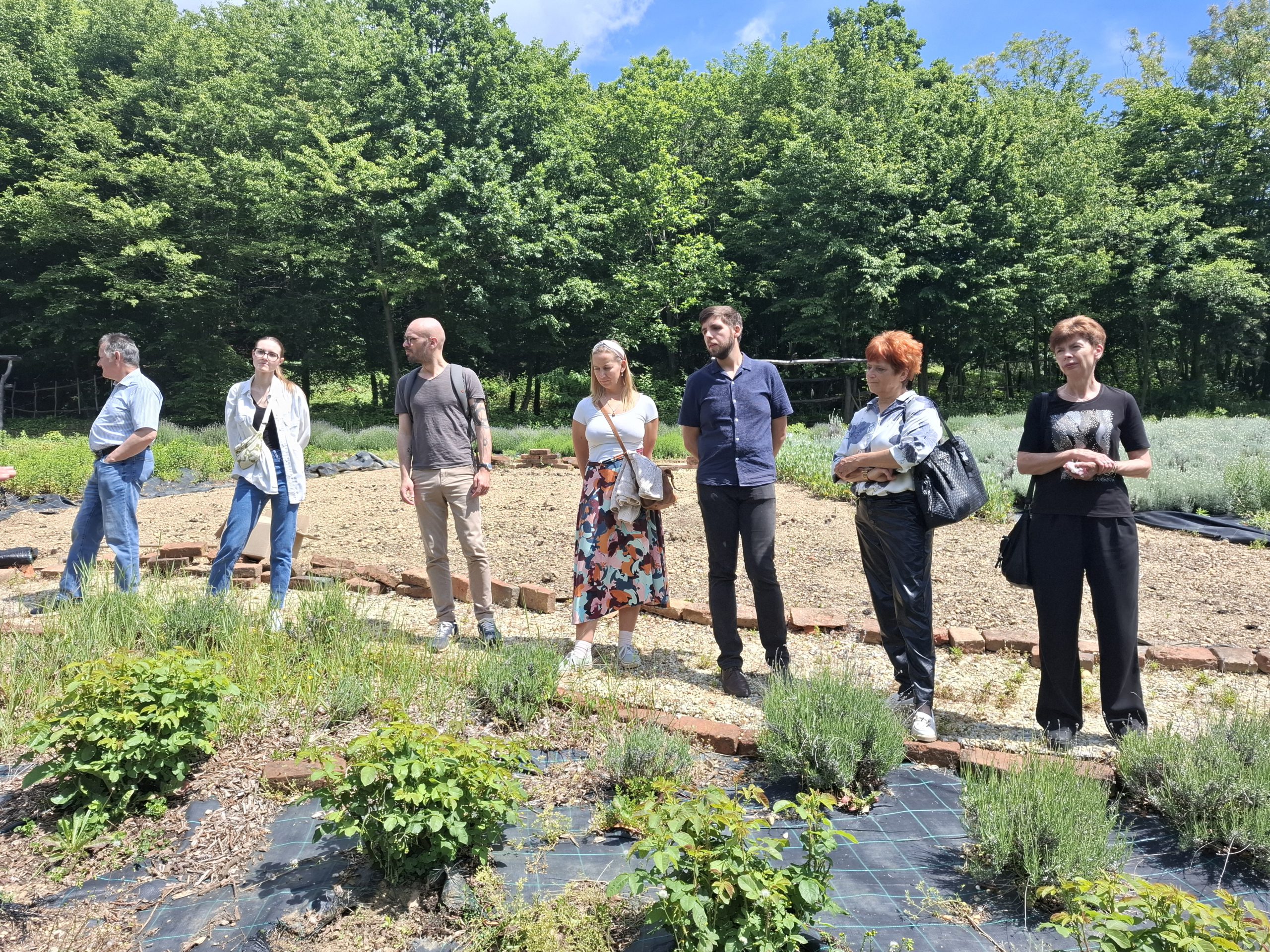
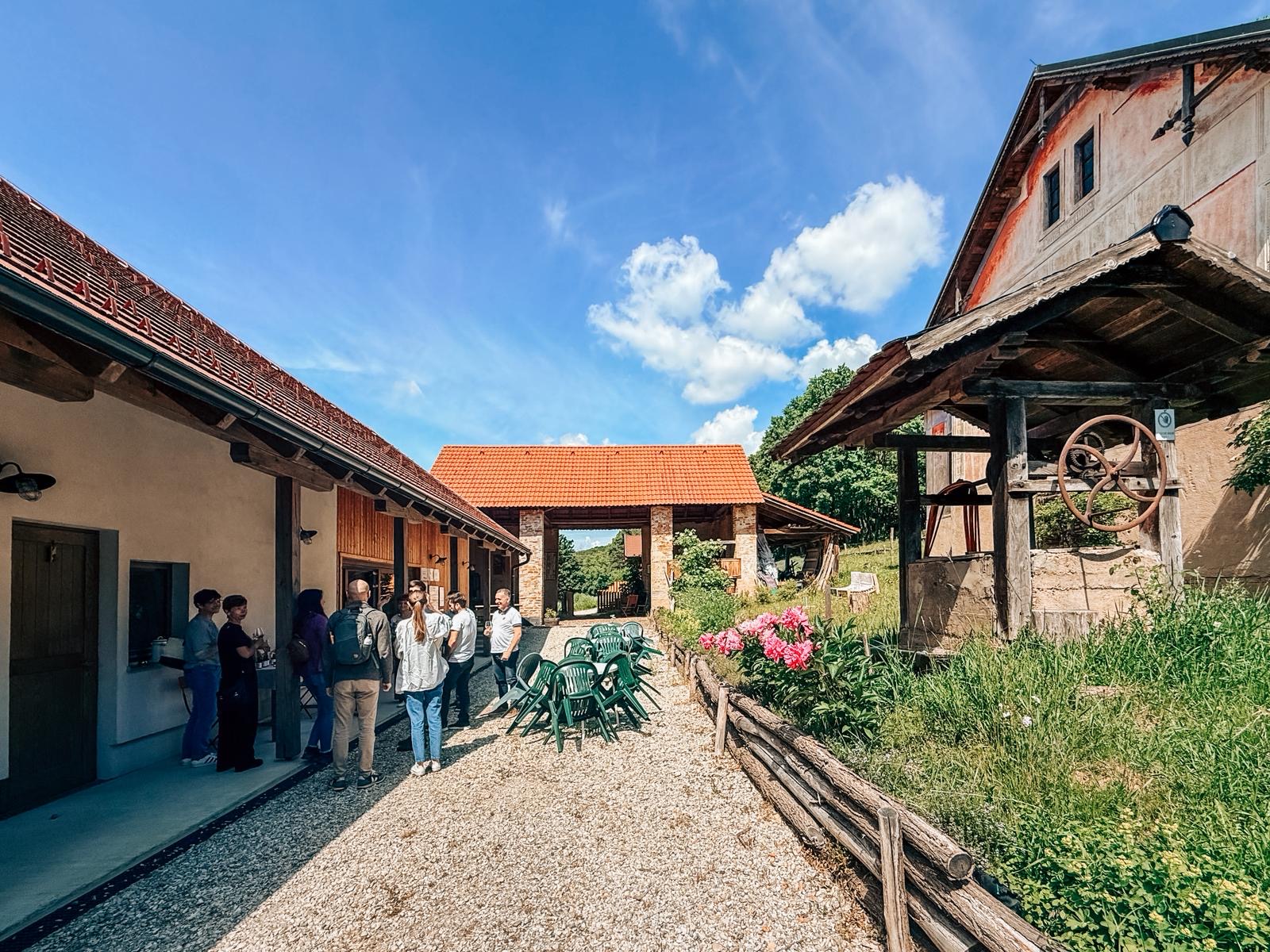
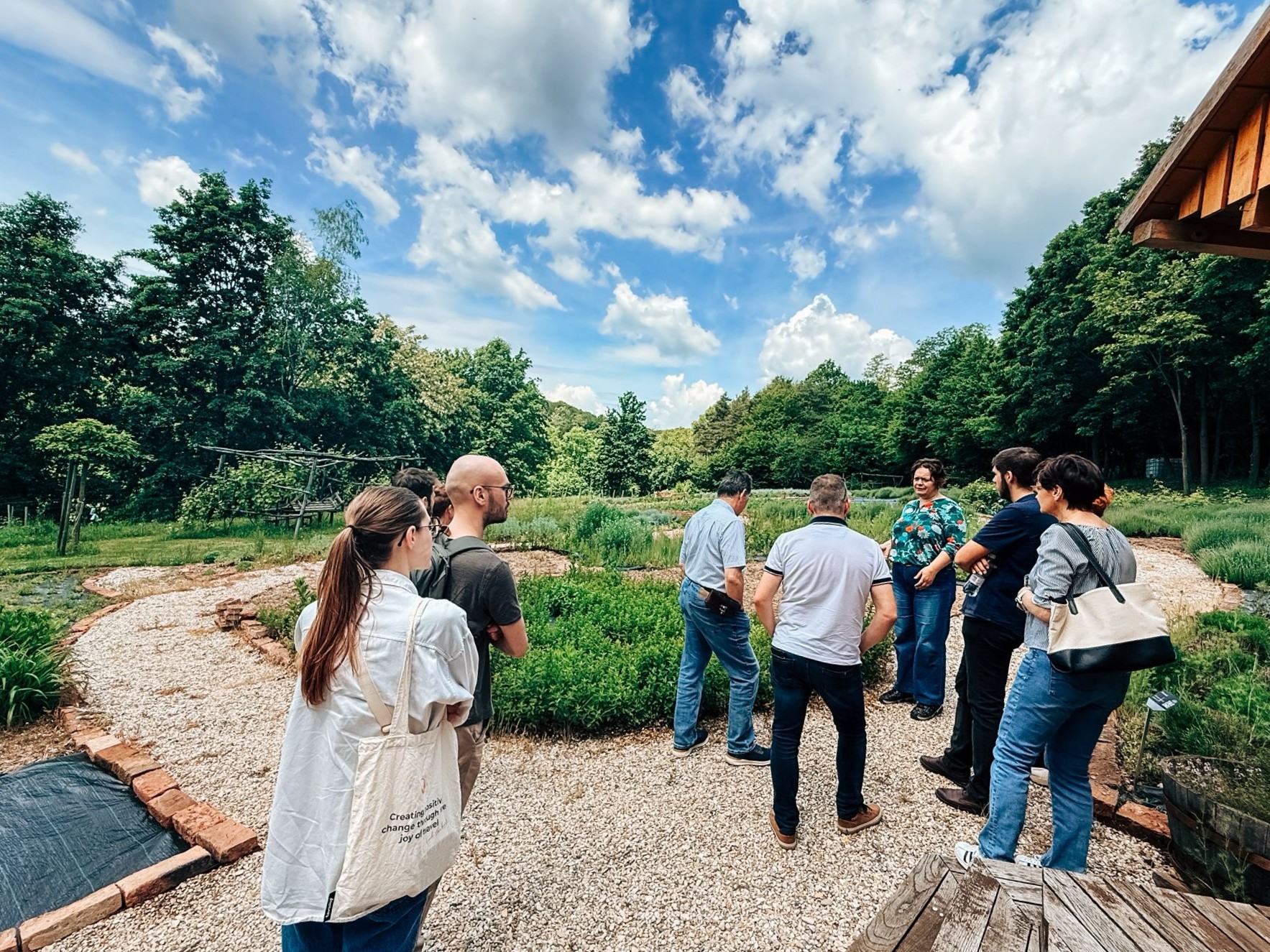
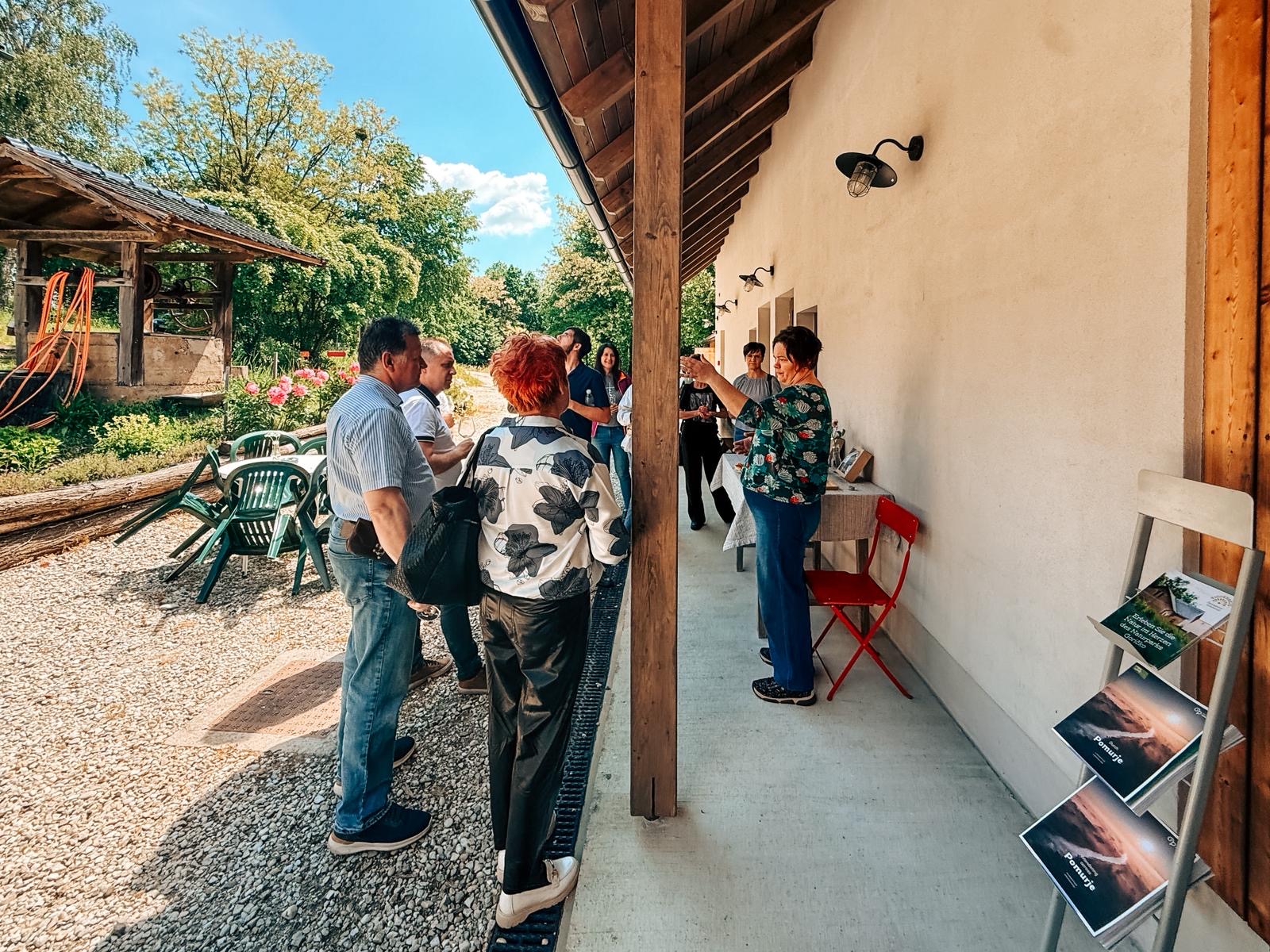
PollenAct project partners participated in a study visit in Slovenia on Wednesday, 20 May 2026. We visited Vidov brejg, which represents a rich habitat for pollinators, and also explored the surroundings of Biotehniška šola Rakičan, where theoretical knowledge is closely integrated with practical learning and education.
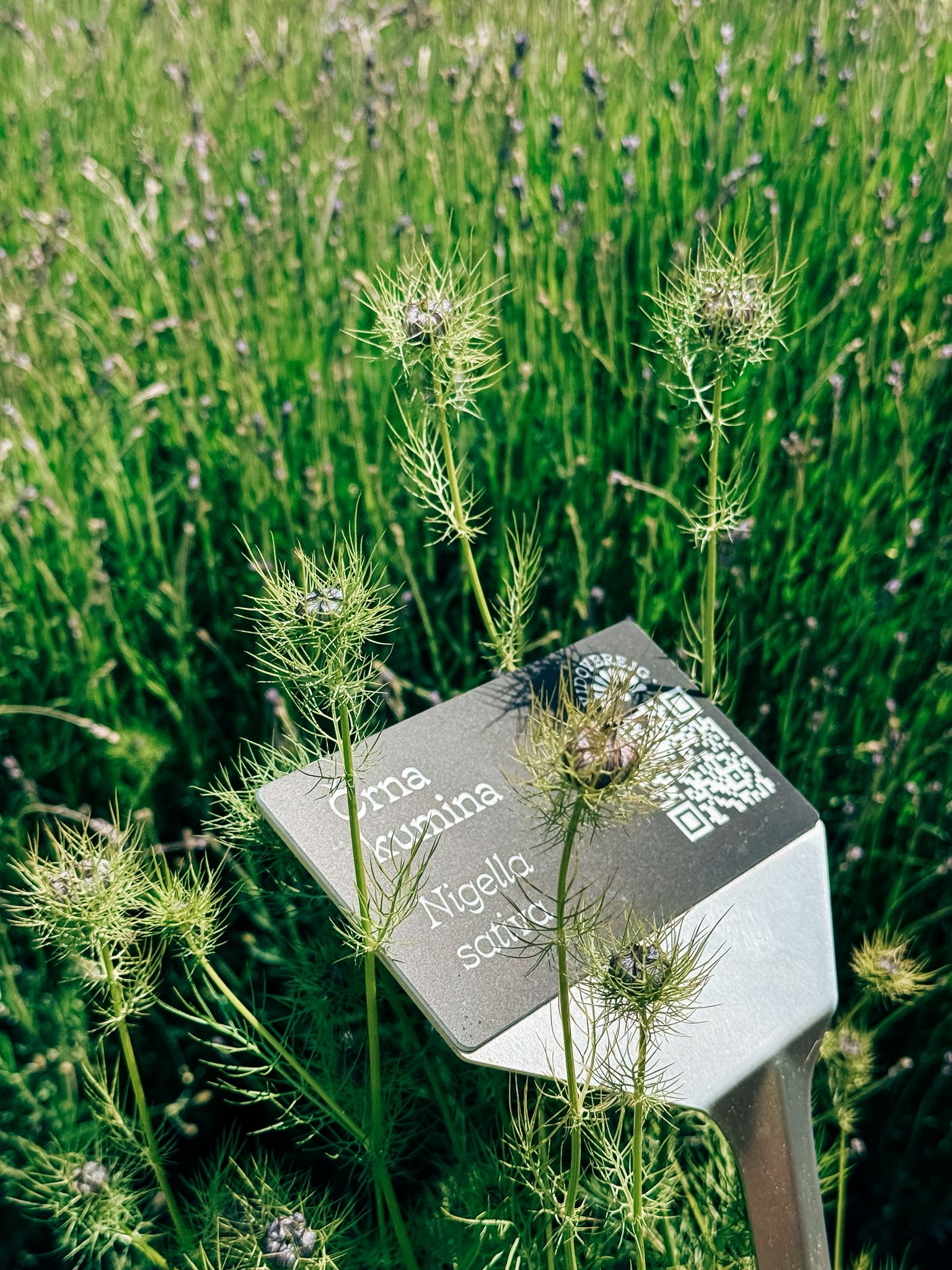
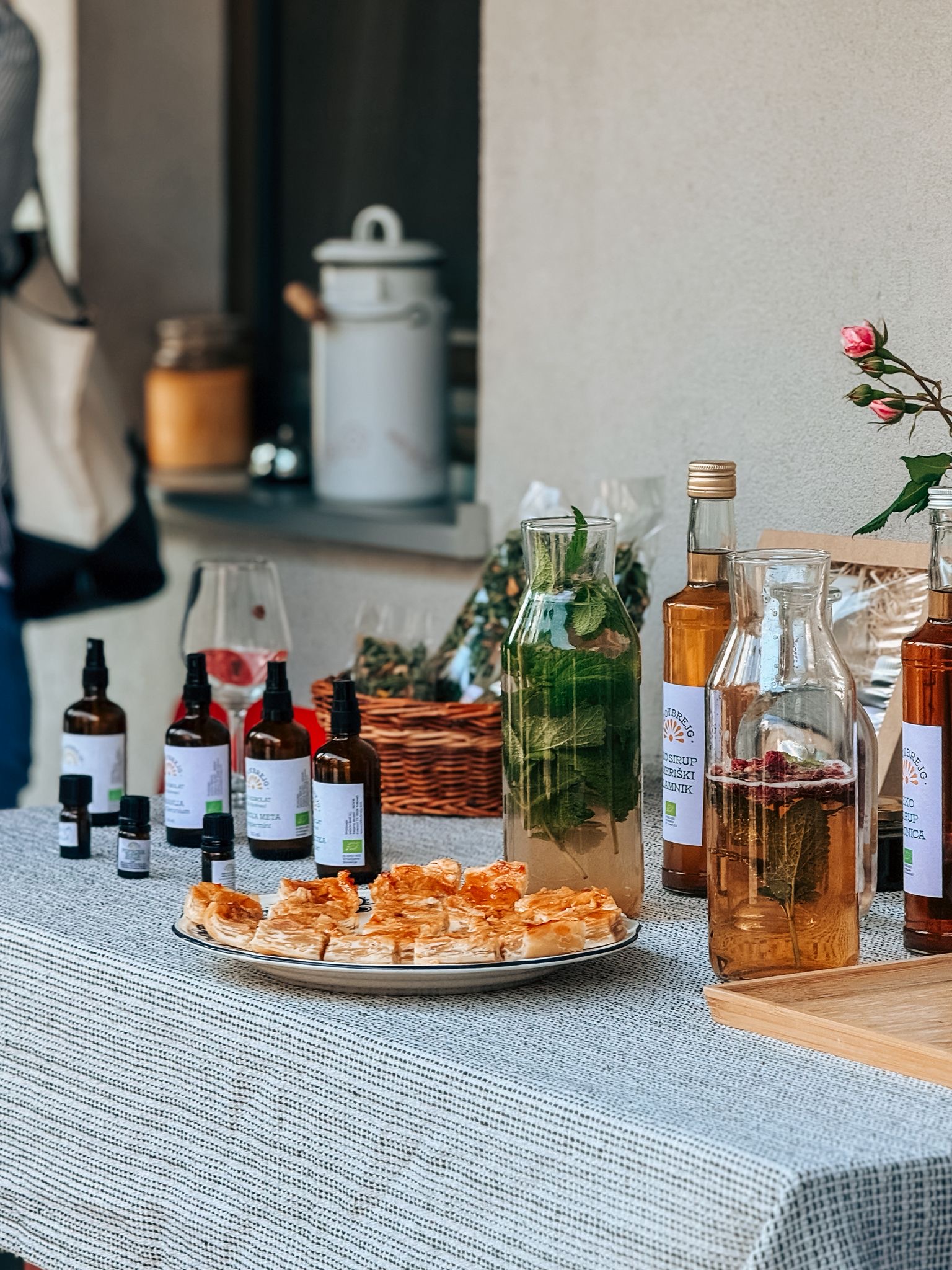
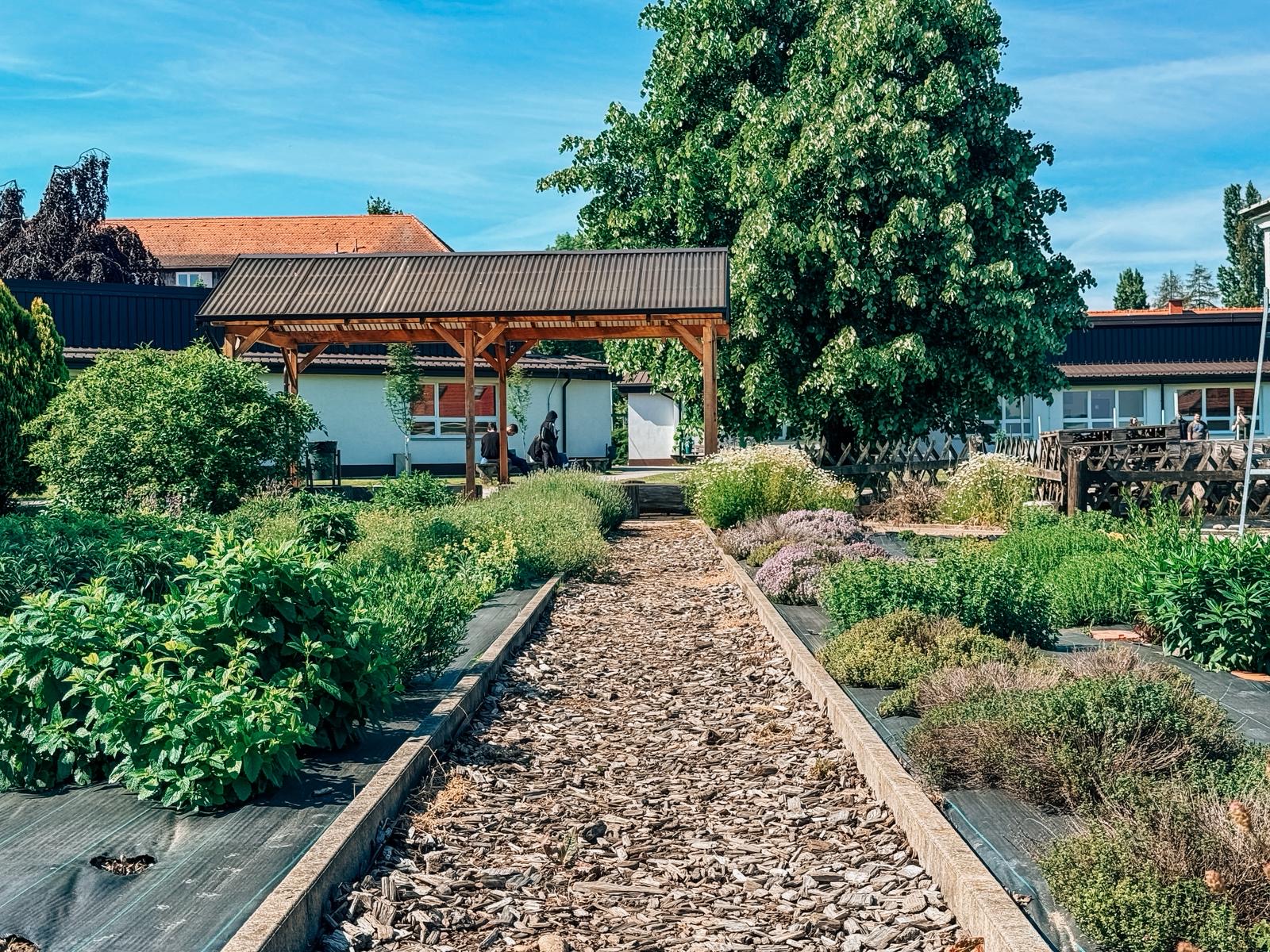
At the gardens of Biotehniška šola Rakičan and Vidov brejg, we were introduced to numerous plant species that play an important role in maintaining biodiversity. Such gardens provide valuable habitats for pollinators, including bees, bumblebees, butterflies, beetles, and other insect pollinators. A diverse planting of native and nectar-rich species ensures food availability throughout the entire season, while also contributing to more stable ecosystems and greater resilience to environmental changes.
Flowering plants with different flower structures and blooming periods are particularly important, as they provide a continuous source of nectar and pollen. This supports pollinator populations, which in turn contributes to maintaining natural balance and agricultural productivity in the wider environment.
Through this study visit, the partners gained new insights and valuable practical experience in the thematic area addressed by the project through various awareness-raising activities.
Photos by Razvojni center Murska Sobota





Leave A Comment