



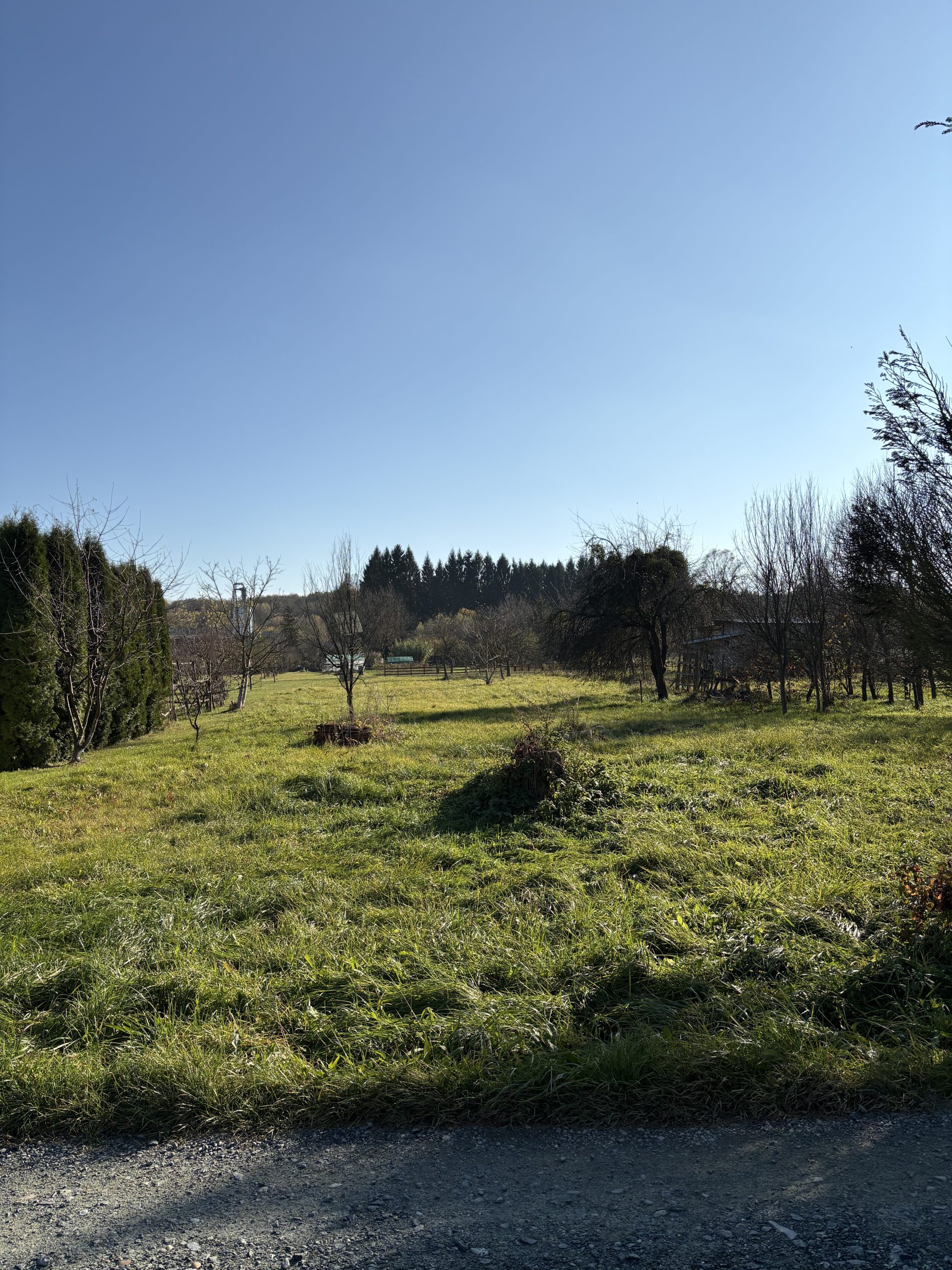
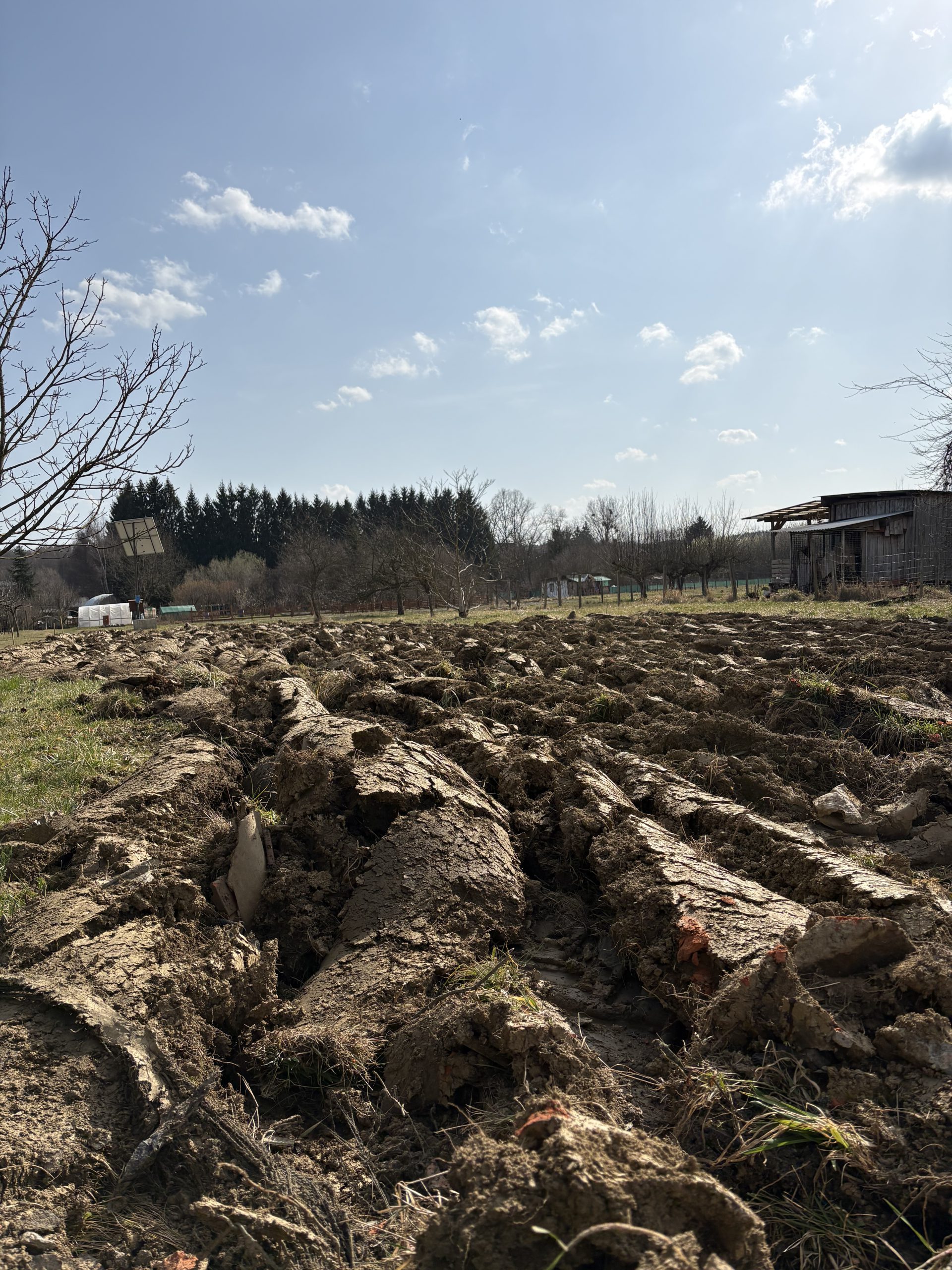
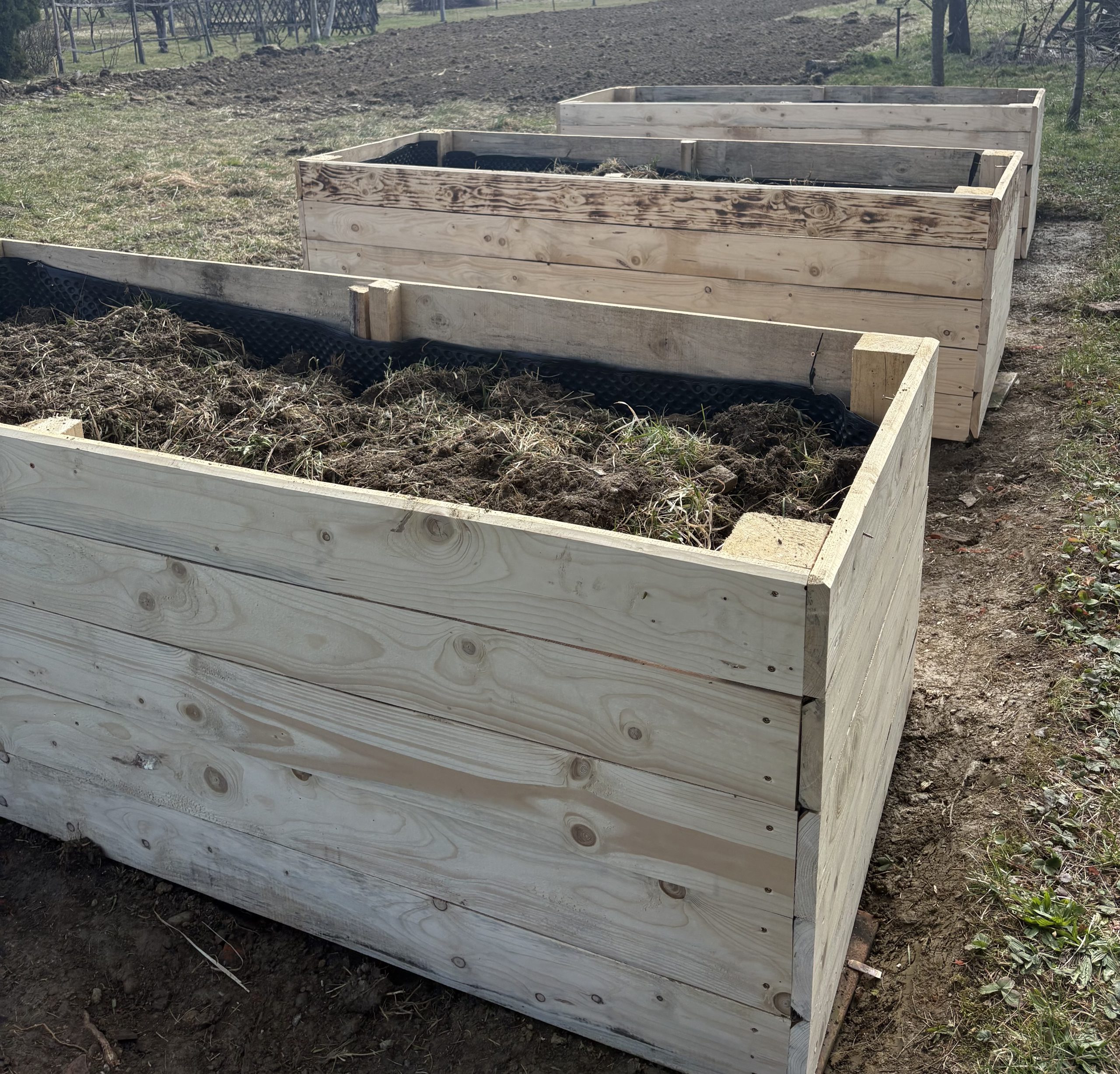
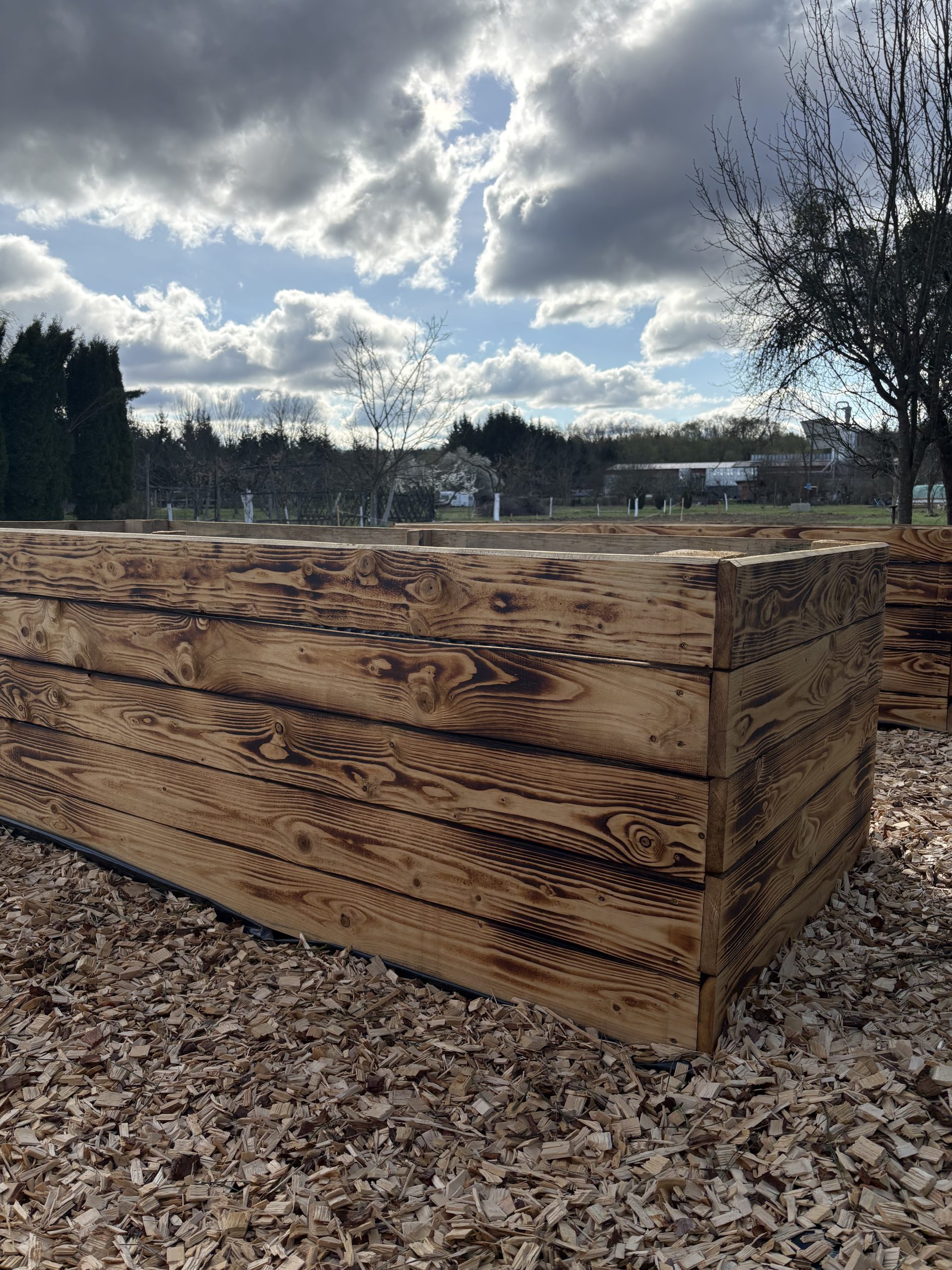
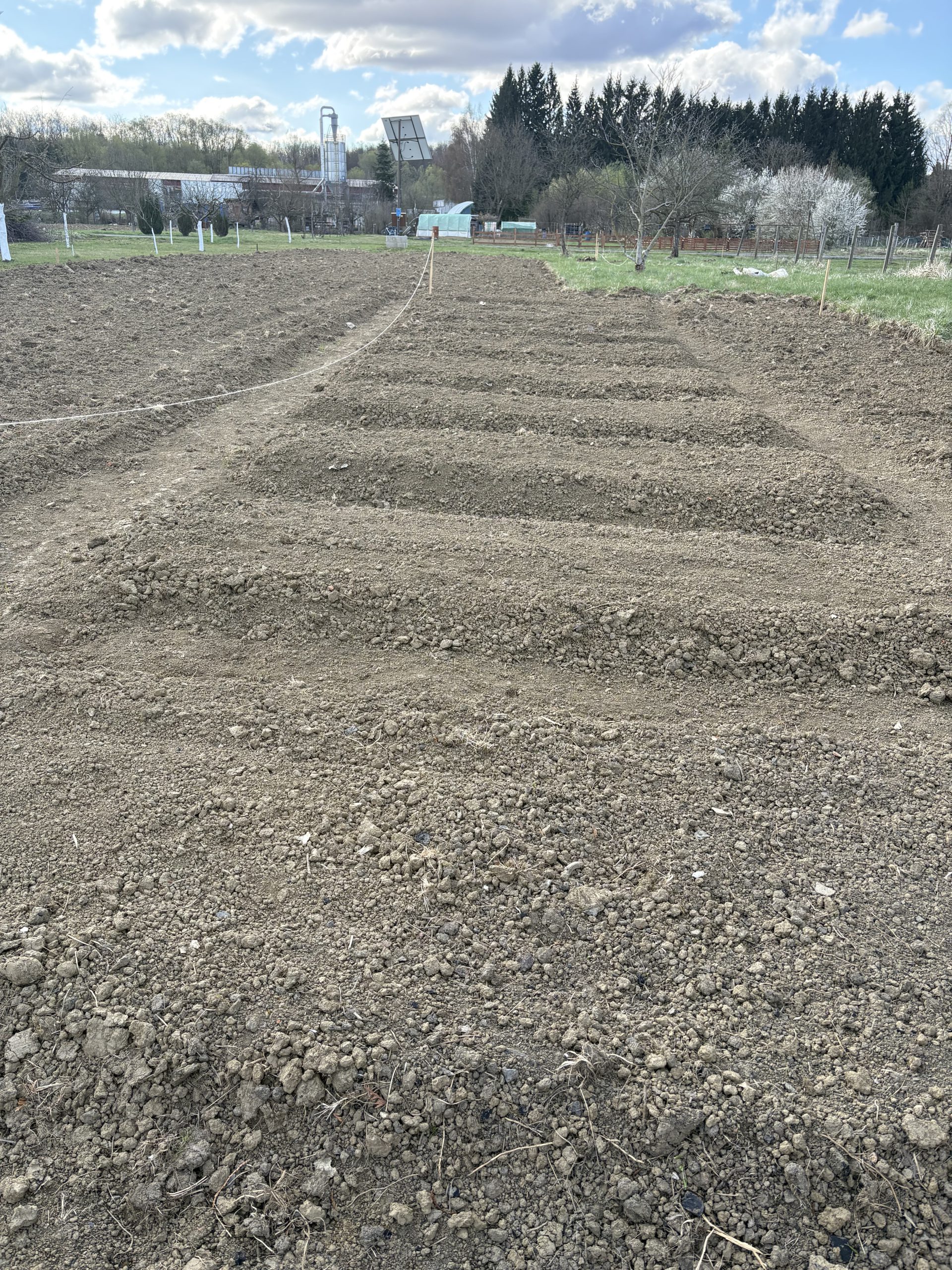
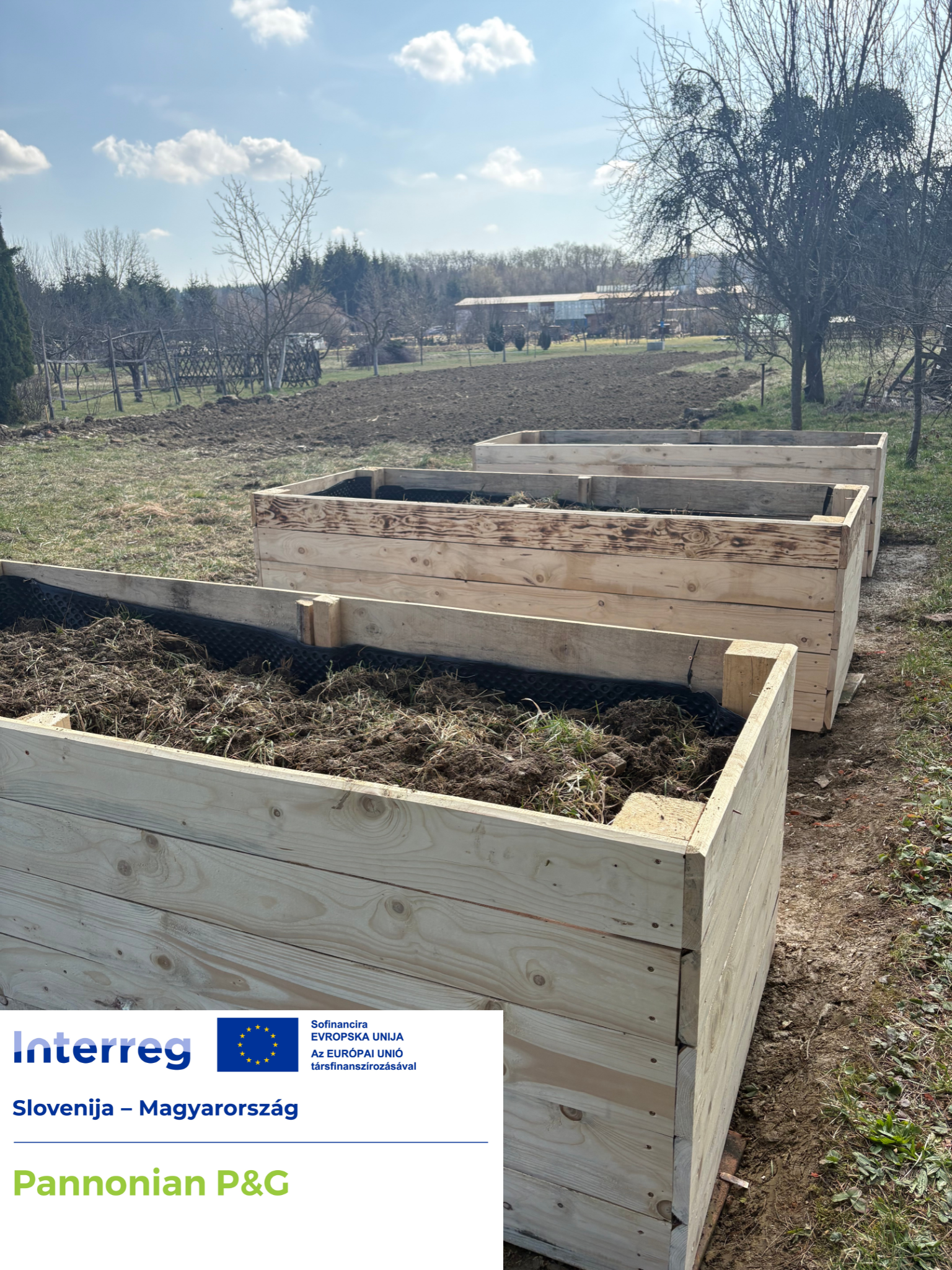
We are pleased to announce that the work on the creation of an experimental learning garden in Szentgotthárd within the framework of the Pannonian P&G project has begun.
The implementation of the learning garden is one of the key practical elements of the project, which contributes to the preservation of biodiversity, the promotion of close-to-nature horticultural methods, as well as the strengthening of sustainable attitudes and local knowledge sharing.
Within the framework of the project, a total of four learning gardens will be established in the Slovenian-Hungarian border region, with the common goal of strengthening biodiversity, strengthening ecological connectivity and supporting environmentally conscious thinking through the preservation of native and traditional plants. Locations of the learning gardens to be realized: Prosenjakovci, Prosečka vas, Zalaszentlászló and Szentgotthárd
The learning garden in Szentgotthárd will be a demonstration and knowledge-sharing venue where visitors, local communities, interested parties and educational actors can learn about the benefits of sustainable horticulture, the use of native and traditional plant species, and biodiversity-friendly solutions through practical examples. The purpose of the garden is not only to raise awareness, but also to provide a tangible example of how nature conservation aspects can be incorporated into everyday gardening and cultivation practice.
During the design of the learning garden, it is important that the site does not function as an isolated unit, but appears as part of the landscape, reinforcing its values. The design of the space serves both educational functions and the experience of a close-to-nature garden, for which the learning garden will be divided into functional zones. In addition, sustainable and environmentally friendly solutions play a key role in the design of the garden. Local composting, rainwater collection and utilization, chemical-free gardening, natural plant protection, and elements that support biodiversity, such as an insect hotel and a bee pasture, will also appear on site. These solutions not only serve the purpose of presentation, but also offer samples that can be transferred directly to visitors and can be applied in everyday life.
Photos by Muraba EGTC



Leave A Comment