



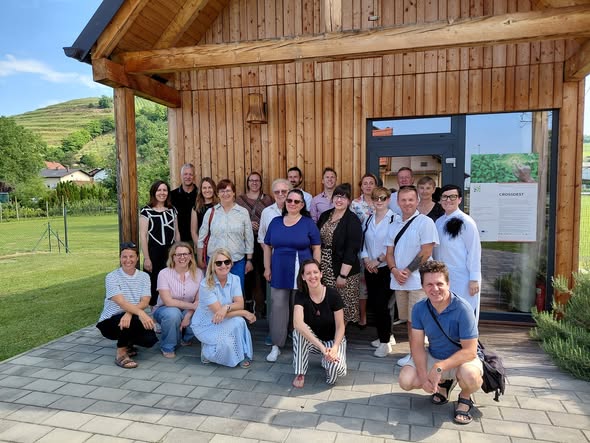
On 27 May 2026, a study tour was held with the participation of Slovenian and Hungarian tourism service providers within the framework of the CROSSDEST project. The aim of the program, organized by the project partner GoodPlace, was to provide participants with direct experience of practical solutions for sustainable tourism, the requirements of certification systems and the process of preparing service providers.
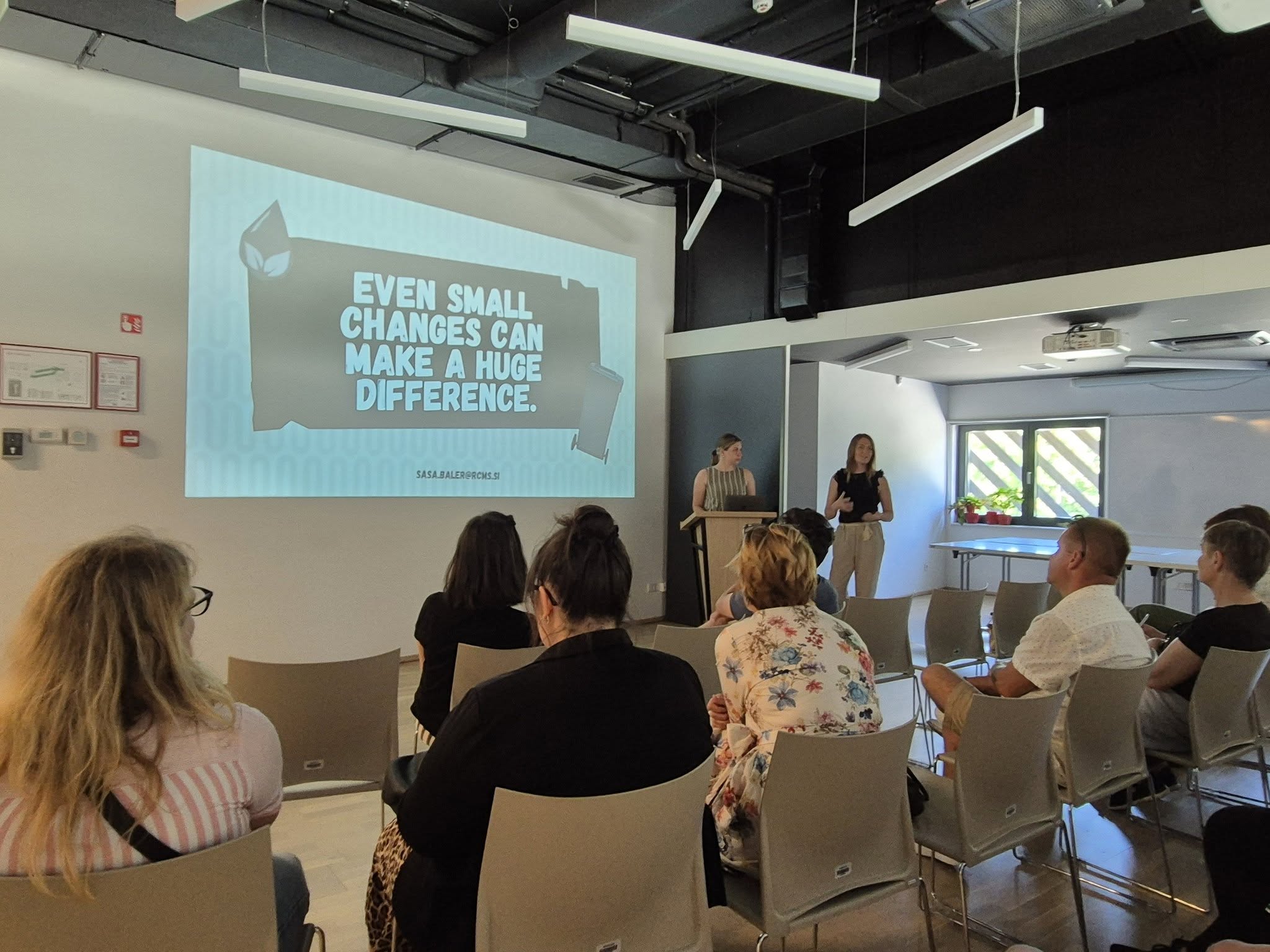
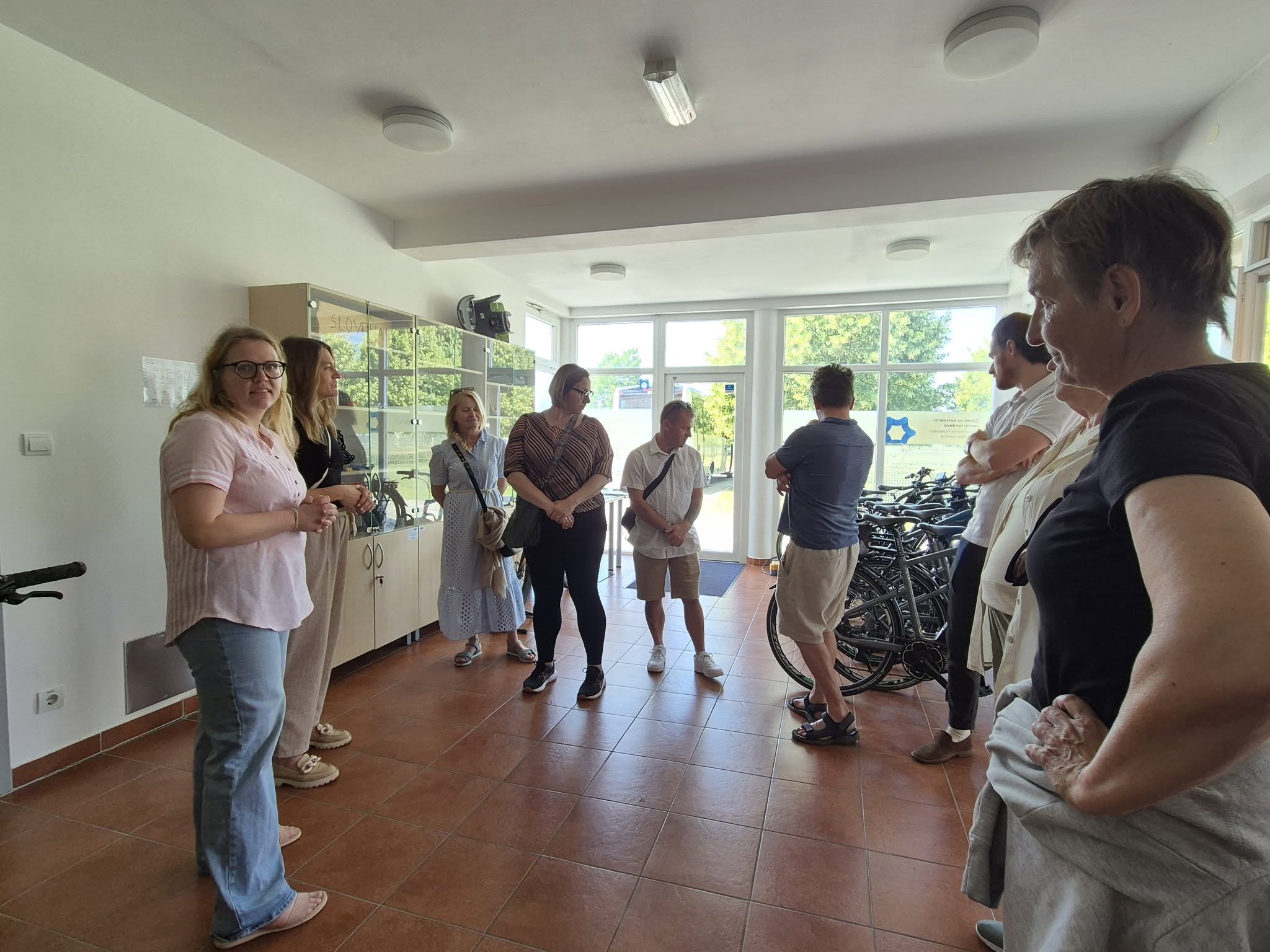
The program started at the Murania Cycling Center in Csente. Petra Čad and Maja Isaković, representatives of GoodPlace, presented the results of the trainings implemented within the framework of CROSSDEST so far, as well as the professional goals of the study tour. The participants were also greeted by Igor Magdič, Director of the Lendava Institute of Tourism and Development.
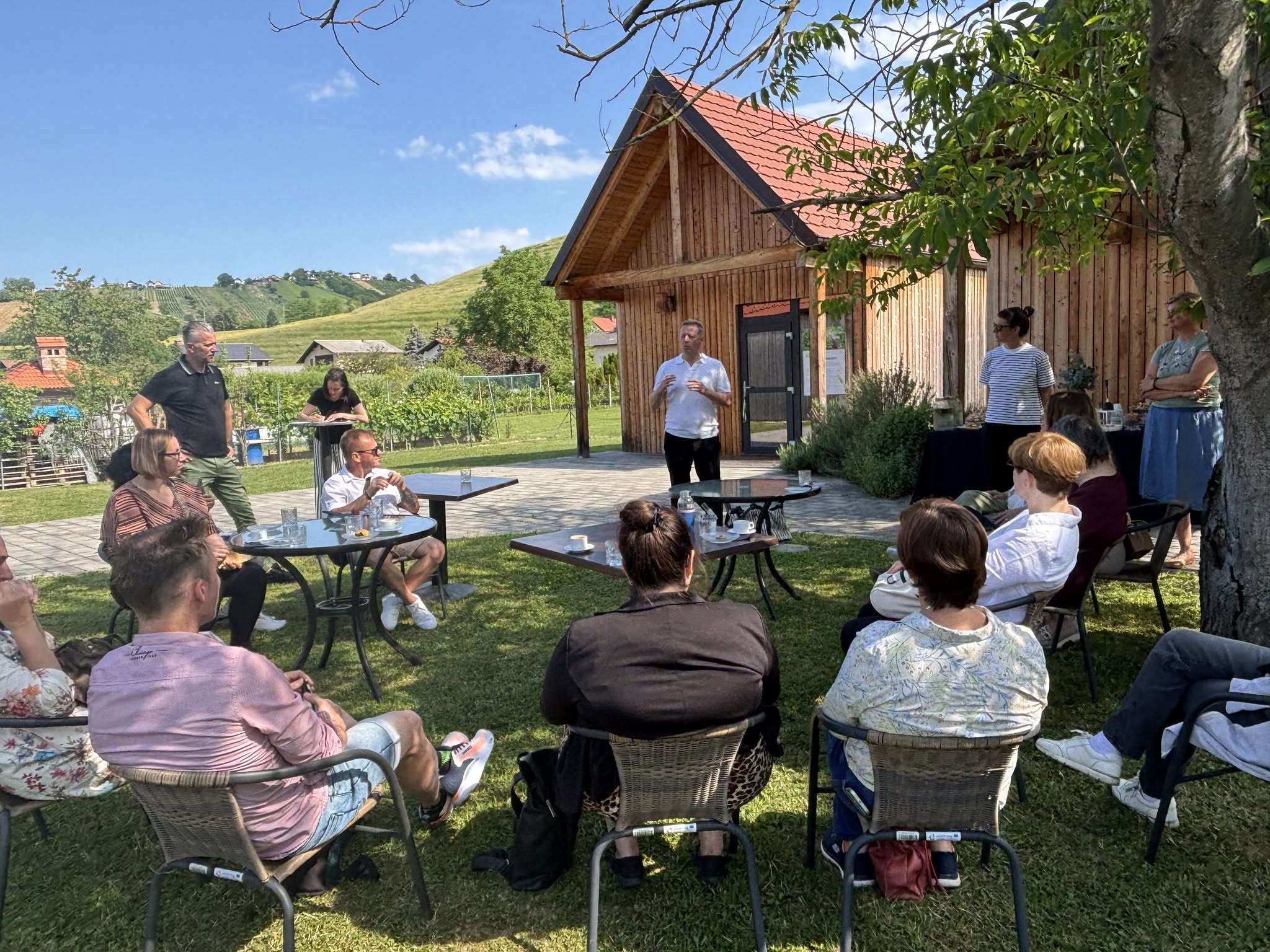
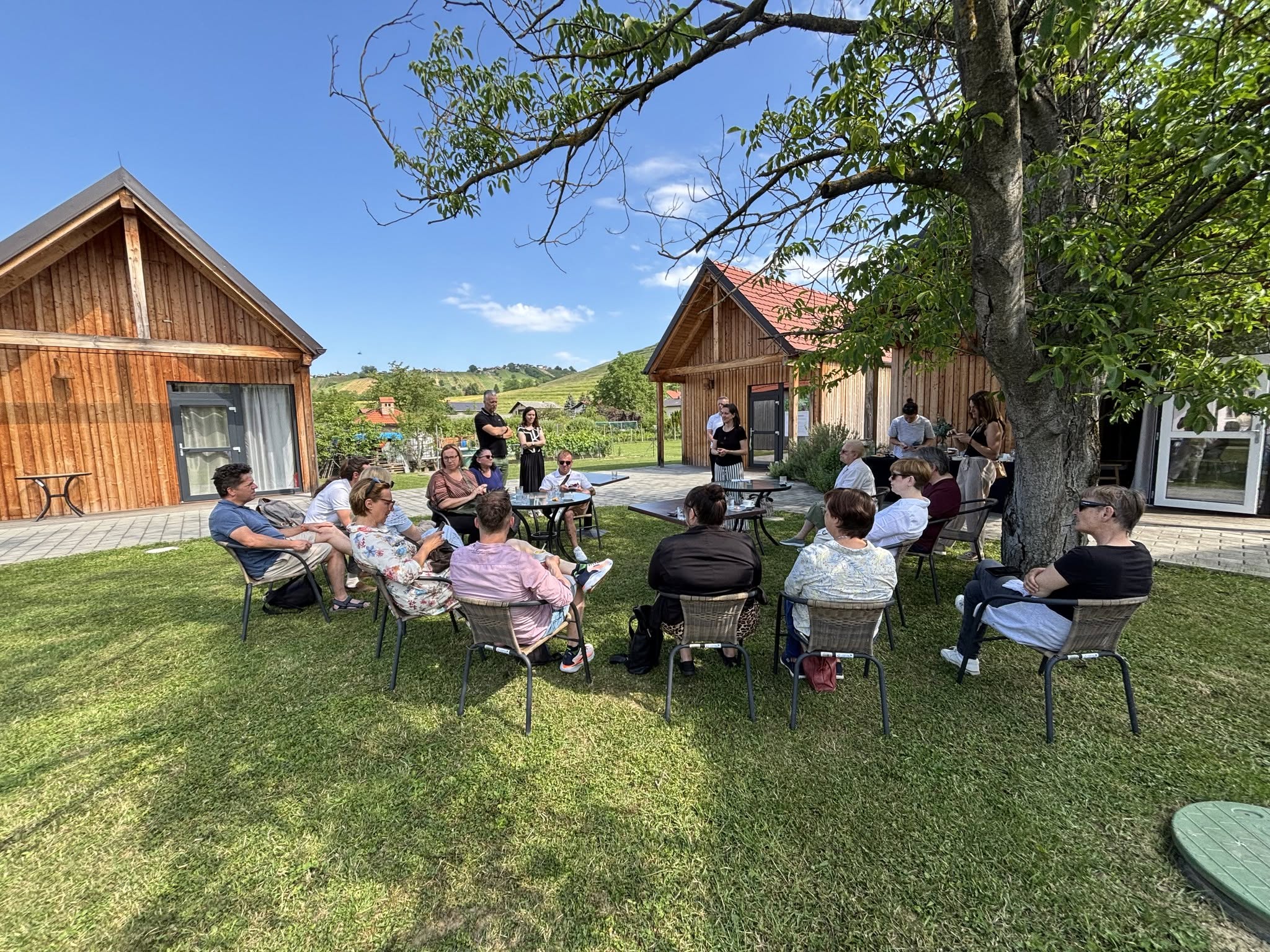
On site, the service providers worked in two groups. One group took part in the simulation of an on-site assessment related to a sustainability certificate, while the other got to know the operation and services of the Murania Cycling Centre in more detail. The example of Lendava also showed how a tourism organization can help smaller accommodation providers: in addition to providing information and renting bicycles, it can also provide them with support in sales and the management of bookings.
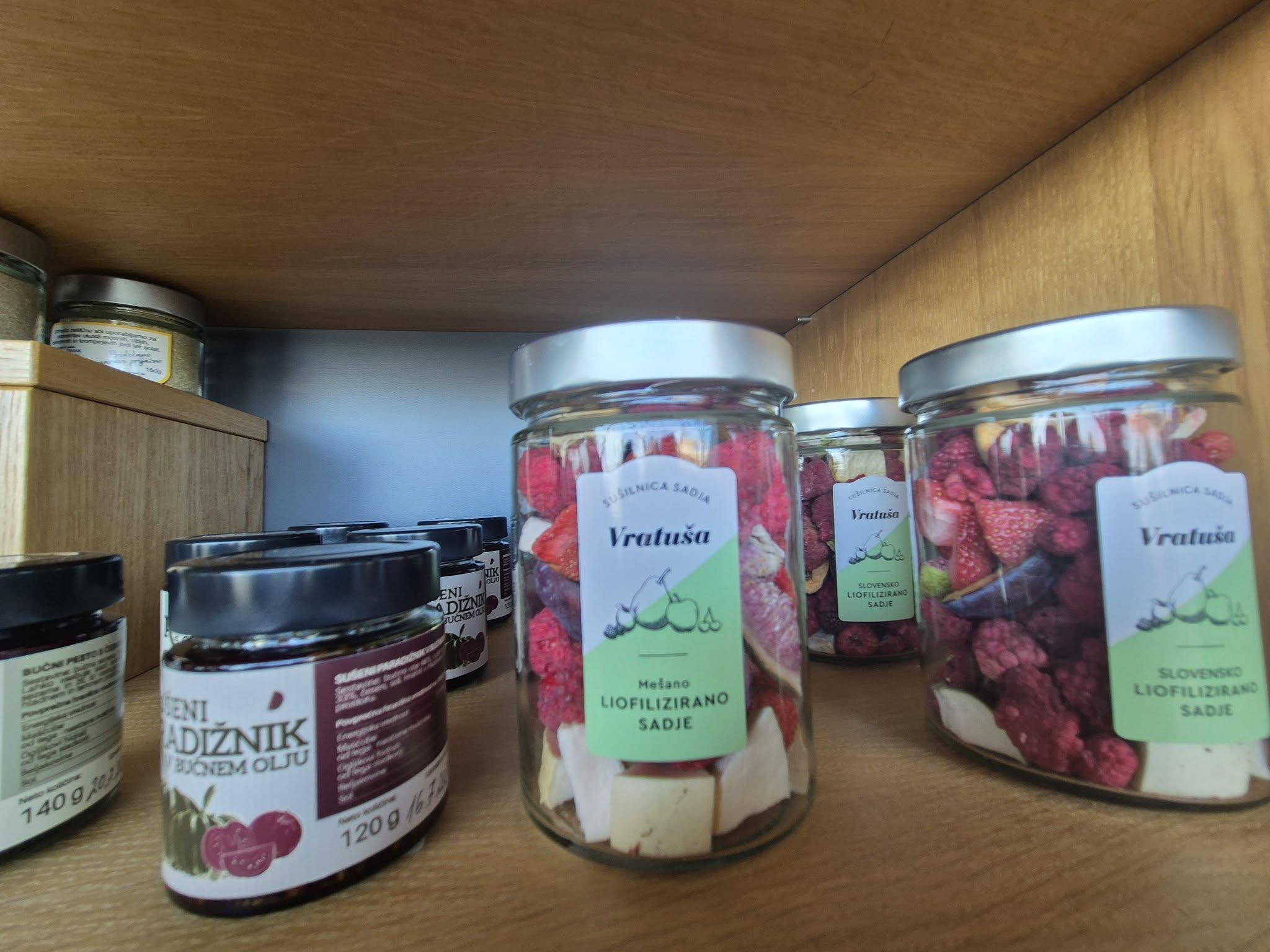
The next stop was the Expano pavilion in Murska Sobota. Representatives of the Murska Sobota Development Center presented the developments and operational solutions that contributed to the acquisition of the Green Key and Slovenia Green certifications. The participants also visited the interactive exhibition, which presents the natural, cultural and touristic values of Prekmurje as well as its local products.
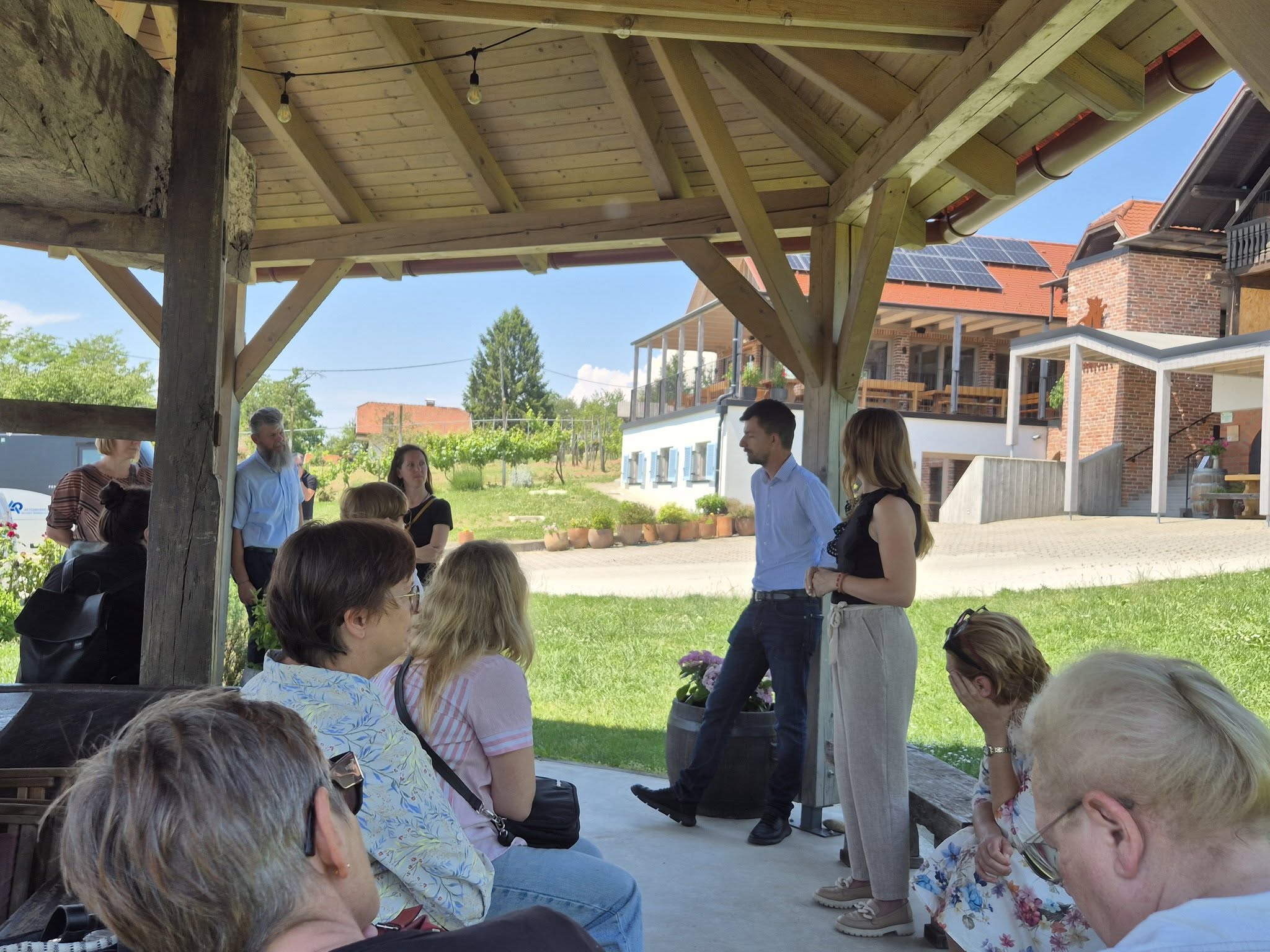
The last professional location of the study tour was the Puhan Tourism Farm. Dorian Gjerkeš presented the operation of the farm, its environmentally conscious practices and certification experiences. Almost all the raw materials used on the farm are made or grown locally. The service provider also adjusts the opening hours and the number of guests it can receive to the available capacities, so instead of continuous growth, it focuses on the long-term preservation of quality.
The lunch, made from local ingredients, also provided an opportunity for informal networking and exchange of experiences. Participants were able to discuss their own development ideas and the challenges of introducing sustainable operation.
One of the most important lessons of the study trip was that sustainability does not only mean obtaining a certificate. The use of local products, the conscious management of resources, the responsible planning of service capacities and the cooperation of regional actors can increase the competitiveness of tourism enterprises in themselves.
The program helped the participants with new professional knowledge, practical experience and cross-border contacts. These experiences will be used in the further activities of the CROSSDEST project, contributing to the sustainable tourism development of the Slovenian-Hungarian border region.
Photos by CROSSDEST







Leave A Comment